
Parsnip Sensory Map
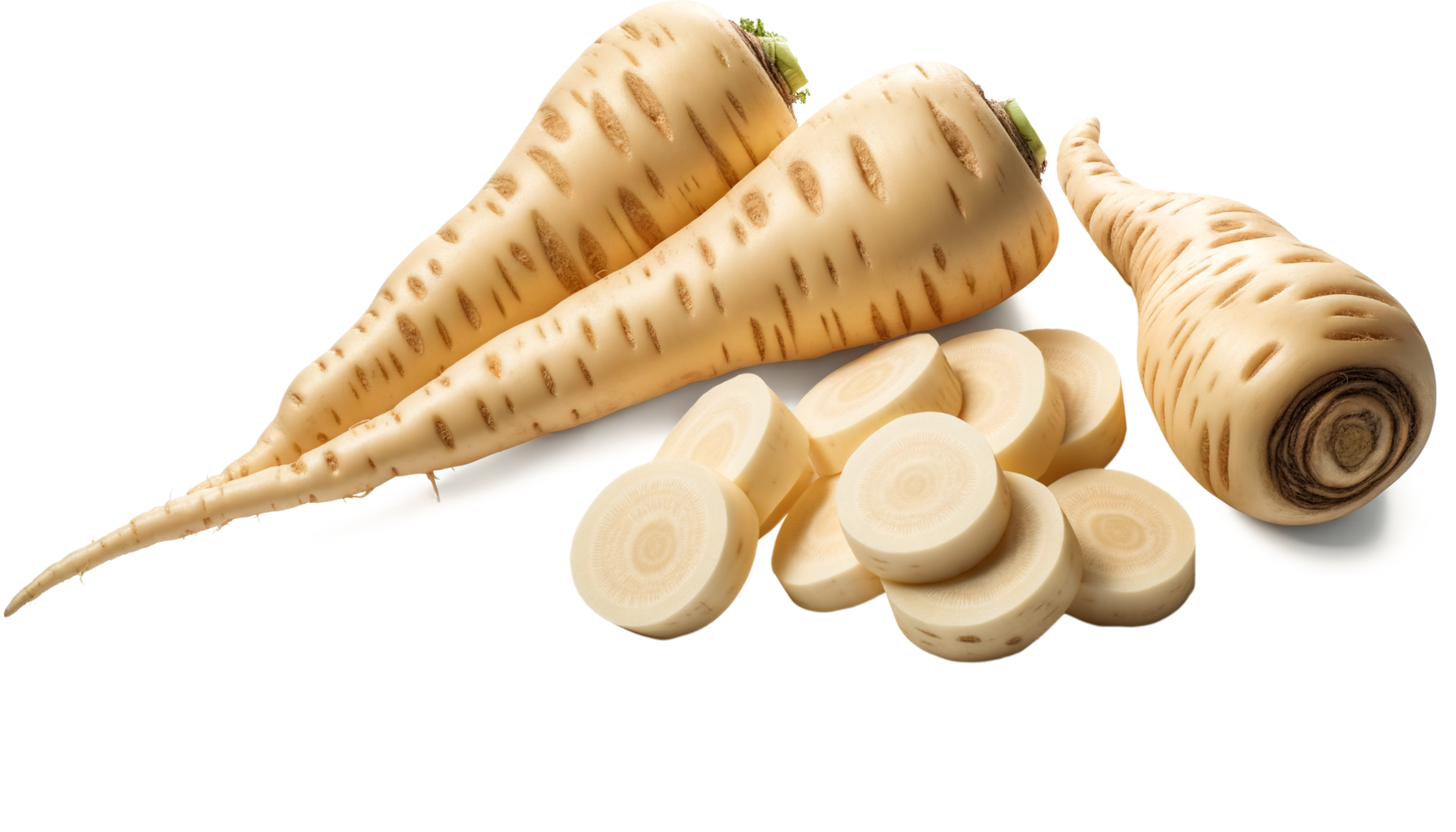
Parsnip
Pastinaca sativa
Sensory Profile
Tastes
Basic flavor profiles
Aromas
Scent characteristics
Stimuli
Sensory sensations
Textures
Physical properties
About Parsnip
Parsnip offers a unique, sweet, and earthy flavor with a hint of nuttiness, reminiscent of a cross between carrots and celery. When cooked, its natural sugars caramelize, enhancing its sweetness and creating a tender, creamy texture. Parsnips are versatile in the kitchen and can be used in a variety of dishes. They are commonly roasted, mashed, or pureed, making them a delightful addition to soups, stews, and casseroles. Their sweetness pairs well with savory ingredients like garlic, thyme, and rosemary, and they can also be used in salads or as a side dish. Additionally, parsnips can be pickled or used in baking to add moisture and flavor to breads and muffins. Native to Europe and Asia, parsnips have been cultivated since antiquity, with historical references dating back to the Roman Empire. They thrive in temperate climates and are typically harvested in the fall and winter months, as frost enhances their sweetness. Parsnips are characterized by their long, tapered shape and creamy white color. They have a fibrous texture, which becomes tender when cooked. Unlike many root vegetables, parsnips are biennial, meaning they complete their life cycle over two years, with the first year dedicated to root development.
Associated health effects(49)
- Vitamin C Source
- Polyphenol Antioxidant Activity
- Blood Pressure Support
- Micronutrient Density
- Vitamin K Cardiovascular Protection
- Polyacetylene Anti-inflammatory Activity
- Colonic Transit Enhancement
- Furanocoumarin-Induced Photosensitivity
- Selenium Immune Support
- Constipation Relief
- Dietary Prebiotic Support
- Flatulence and Bloating
- Cardiovascular Protection
- Antioxidant
- Cardiovascular Health
- Photosensitivity
- Allergy Risk
- Blood Pressure Reduction
- Folate Source
- Digestive Bulk Support
- Antifungal
- Blood Cholesterol Reduction
- Appetite Reduction via Fiber-Induced Satiety
- Low Caloric Density
- Vitamin K Source
- Blood Sugar Regulation
- Immune Booster
- Furanocoumarin-Induced Phototoxicity
- Dietary Fiber
- Allergic Reaction Risk
- Bone Health
- Cholesterol Management
- Potassium Content Support
- Antioxidant Immunity Support
- Antiscorbutic Activity
- Manganese
- Weight Management
- LDL Cholesterol Reduction
- Potassium
- Fiber Content
- Immune Function
- Digestive Prebiotic Support
- Heart Health
- Colorectal Cancer Risk Reduction
- Digestive Aid
- Cholesterol Improvement
- Digestive Health
- Anti-inflammatory
- Falcarinol-Mediated Anticancer Potential
Nutrition per 100 g(4)
- Energy: 75 kcal
- Protein: 1.2 g
- Fat: 0.3 g
- Fiber: 4.9 g