
Passion Fruit Sensory Map
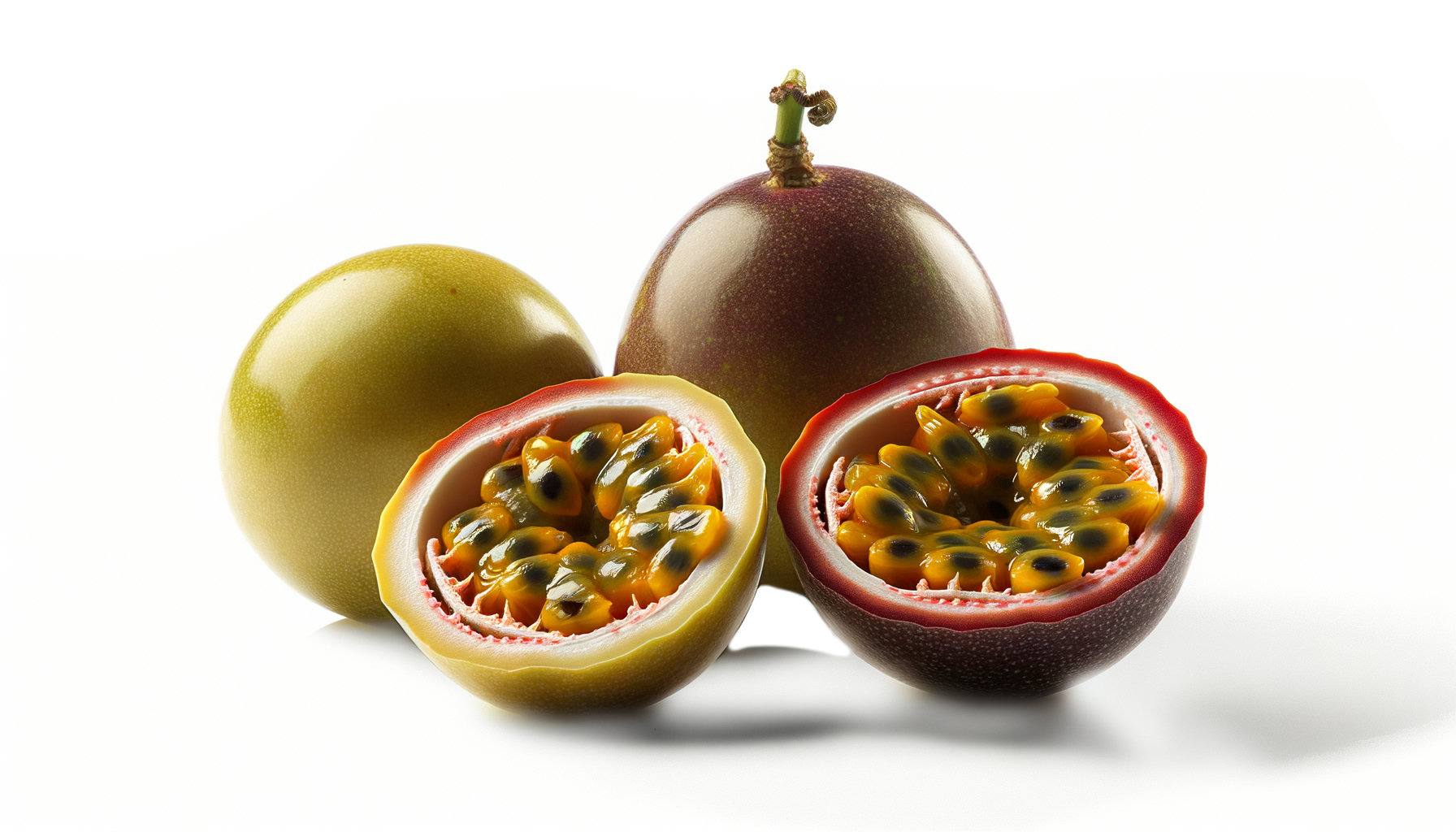
Passion Fruit
Passiflora edulis
Sensory Profile
Tastes
Basic flavor profiles
Aromas
Scent characteristics
Stimuli
Sensory sensations
Textures
Physical properties
About Passion Fruit
Passion Fruit (Passiflora edulis), aka Maracuja, is a tropical fruit renowned for its vibrant, aromatic profile characterized by a complex interplay of sweet and tart flavors, reminiscent of citrus and tropical notes, with hints of floral undertones. The fruit's interior is filled with gelatinous, seed-filled pulp that provides a unique textural contrast—juicy and slightly crunchy, it adds an exciting mouthfeel to dishes. In culinary applications, passion fruit shines in iconic preparations such as the classic Brazilian dessert *mousse de maracujá*, where its acidity balances the richness of cream, enhancing the overall flavor profile through a natural emulsification process. Additionally, it is a key ingredient in the refreshing Southeast Asian beverage sorrel, where its tartness complements the herbal notes and adds depth, while in sauces for grilled fish, the fruit's acidity acts as a natural tenderizer, breaking down proteins and infusing the dish with a tropical brightness. Originating from the subtropical regions of South America, particularly Brazil and Paraguay, passion fruit has deep cultural significance, often symbolizing abundance and fertility in local traditions. Traditional production methods involve hand-harvesting ripe fruits, which are then processed to extract the pulp while preserving its vibrant flavor and aroma. What sets passion fruit apart is its high concentration of aromatic compounds, such as esters and terpenes, which not only contribute to its distinctive scent but also enhance the sensory experience in culinary applications. Furthermore, the fruit's natural acidity and sugar content can act as a stabilizing agent in certain emulsions, making it a valuable ingredient for chefs seeking to elevate their dishes with both flavor and technical finesse.
Associated health effects(15)
- Beta-Carotene Source
- Vitamin C Content Support
- Antioxidant
- Cardiovascular Health
- Blood Pressure Reduction
- Blood Cholesterol Reduction
- Antidiabetic Activity
- Blood Sugar Regulation
- Immune Booster
- Atherosclerosis Prevention
- Dietary Fiber
- Cholesterol Absorption Inhibition
- Potassium
- Digestive Health
- Anti-inflammatory
Nutrition per 100 g(4)
- Energy: 97 kcal
- Protein: 2.2 g
- Fat: 0.4 g
- Fiber: 10.4 g