
Peach Sensory Map
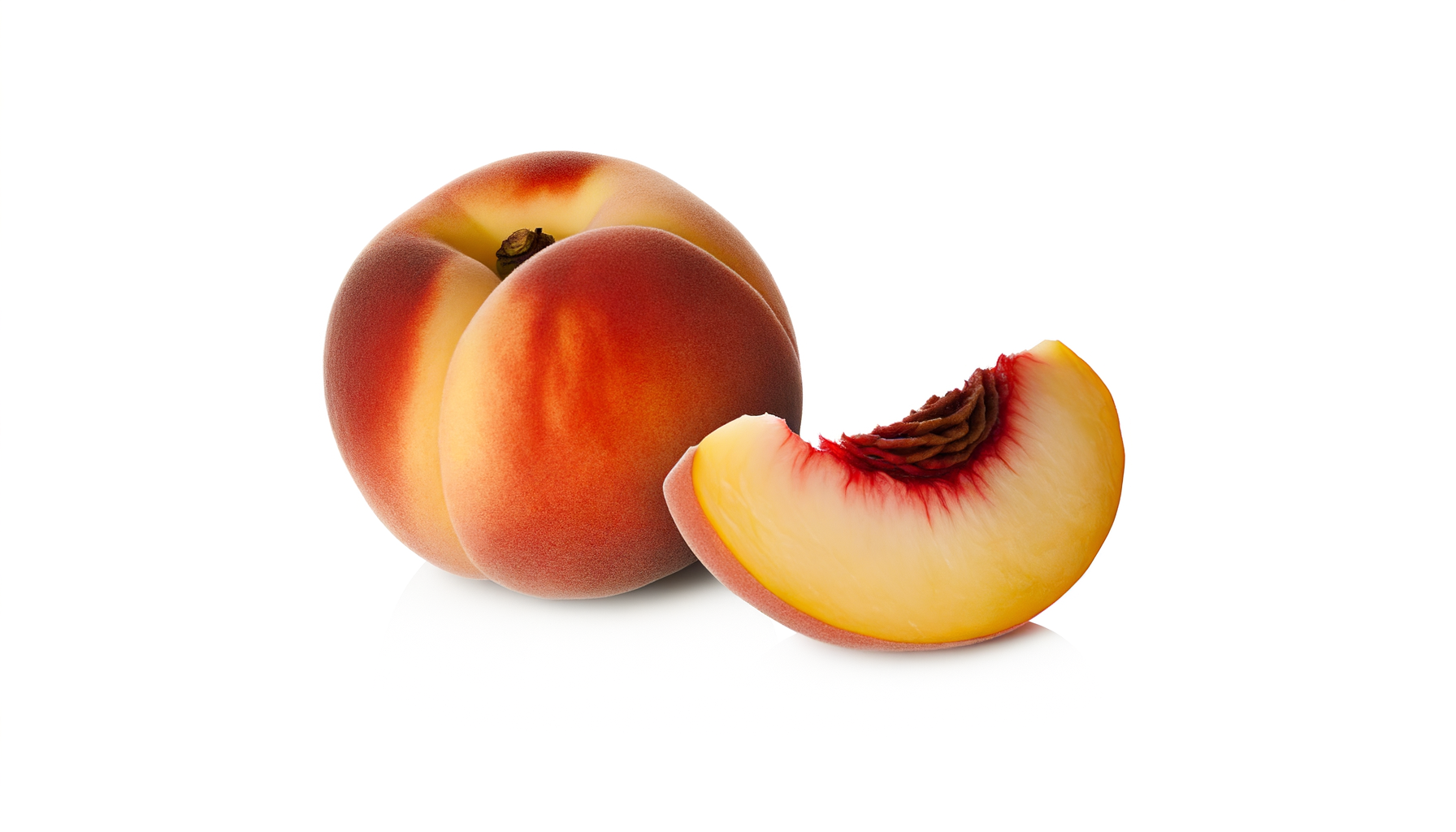
Peach
Prunus persica
Sensory Profile
Tastes
Basic flavor profiles
Aromas
Scent characteristics
Stimuli
Sensory sensations
Textures
Physical properties
About Peach
Peaches offer a unique blend of sweetness and subtle tartness, characterized by their juicy, fragrant flesh. The flavor can range from floral and honeyed in ripe varieties to slightly tangy in under-ripe ones. The skin adds a hint of bitterness, enhancing the overall complexity of the fruit. Peaches are versatile in the kitchen, utilized in both sweet and savory dishes. They are commonly enjoyed fresh, sliced into salads, or blended into smoothies. In desserts, peaches shine in pies, cobblers, and tarts, often paired with spices like cinnamon and nutmeg. They can also be grilled or roasted, bringing out their natural sugars, and are excellent in salsas, chutneys, and marinades for meats. Additionally, peach preserves and jams are popular for spreading on breads and pastries. Native to China, peaches have a rich history that dates back over 2,000 years. They were cultivated in ancient Persia (modern-day Iran), which is reflected in their scientific name, Prunus persica. From Asia, peaches spread to Europe and eventually to the Americas, where they became a staple fruit in various cuisines. Peaches are known for their velvety skin, which can be either yellow or white-fleshed, with the former generally being sweeter. The fruit is also distinguished by its large central pit
Associated health effects(13)
- Cyanide Toxicity
- Antioxidant
- Allergic Reactions
- Nutritional Advantages
- Cancer-Preventive
- Immune Booster
- Digestive Irritation
- Dietary Fiber
- Skin Health
- Potassium
- Heart Health
- Digestive Aid
- Anti-inflammatory
Nutrition per 100 g(4)
- Energy: 39 kcal
- Protein: 0.91 g
- Fat: 0.25 g
- Fiber: 1.5 g