
Peanut Sensory Map
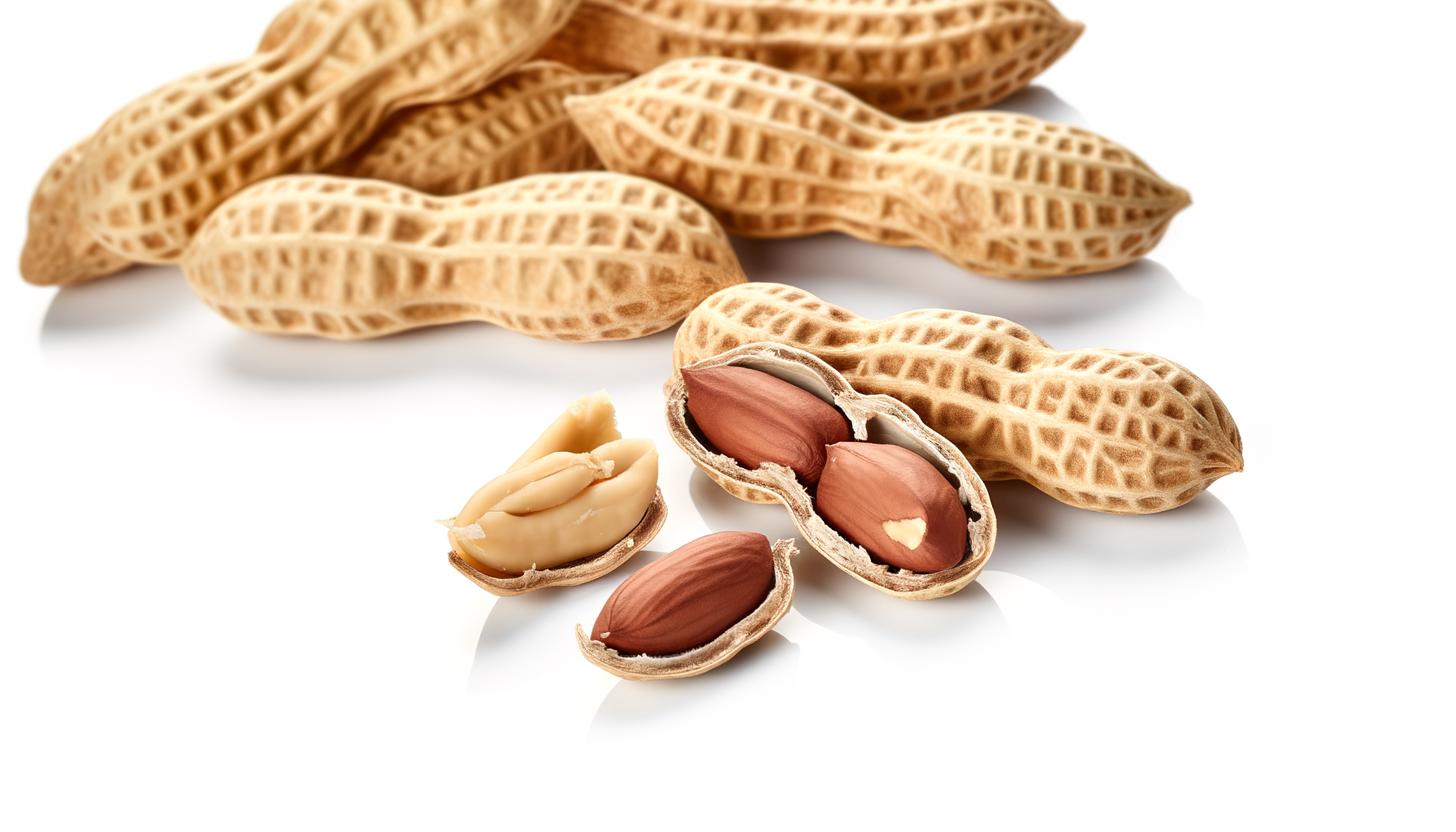
Peanut
Arachis hypogaea
Sensory Profile
Tastes
Basic flavor profiles
Aromas
Scent characteristics
Stimuli
Sensory sensations
Textures
Physical properties
About Peanut
Peanuts possess a rich, nutty flavor with a subtly sweet undertone and a creamy texture. When roasted, their flavor intensifies, developing a deeper, toasty aroma that enhances both sweet and savory dishes. Peanuts are incredibly versatile in the culinary world. They are commonly used in snacks, such as peanut butter and roasted peanuts, and are integral to various cuisines, including Thai, where they feature in dishes like Pad Thai and satay sauces. Ground peanuts are often used to thicken soups and stews, while whole peanuts can add crunch to salads and stir-fries. Additionally, they are a key ingredient in confections, such as peanut brittle and energy bars. Native to South America, peanuts were domesticated over 3,500 years ago, with significant cultivation in regions like Peru and Brazil. They spread to Africa and Asia through trade, where they became essential to local diets and agricultural practices. Today, major producers include China, India, and the United States. **Distinctive Characteristics:** Peanuts are unique among nuts as they grow underground, developing in pods that contain two to four seeds. They are classified as legumes, related to beans and lentils. Nutritionally, peanuts are rich in protein, healthy fats, and essential vitamins and minerals, making them a popular choice for plant-based diets. Their high oil content makes them prone to rancidity,
Associated health effects(55)
- Diet Quality Improvement
- Satiety Enhancement
- Micronutrient Density
- Antithrombotic Activity
- Selenium Status Improvement
- Polyunsaturated Fatty Acid Support
- Phytate Mineral Bioavailability Reduction
- Cardiovascular Protection
- Antioxidant
- Allergic Reactions
- Cardiovascular Health
- Allergy Risk
- Vitamin E Source
- Blood Pressure Reduction
- Folate Source
- Aflatoxin Contamination Risk
- Type 2 Diabetes Prevention
- Cancer-Preventive
- Blood Sugar Support
- Fecal Short-Chain Fatty Acid Production
- Satiety Modulation
- Antidiabetic Activity
- Protein Quality Limitation
- Polyphenol-Mediated Antioxidant Activity
- Malnutrition Prevention
- Plant Sterol-Mediated Cholesterol Reduction
- Mineral Content
- Dietary Fiber
- Cholesterol Absorption Inhibition
- Monounsaturated Fatty Acid Support
- Prebiotic Fiber-Mediated Gut Microbiota Improvement
- Nitric Oxide Release
- Cholesterol Management
- Telomere Protection
- Protein Content
- Niacin
- Resting Energy Expenditure Enhancement
- Weight Management
- Glycemic Index Support
- HDL Cholesterol
- LDL Cholesterol Reduction
- Muscle Mass Preservation
- Potassium
- Fiber Content
- Triglyceride Reduction
- Weight Gain
- Neuroprotection
- Heart Health
- Magnesium
- Lipid Metabolism Support
- Digestive Aid
- Anticancer Potential
- Anti-inflammatory
- Cognitive Support
- Gallbladder Disease Risk Reduction
Nutrition per 100 g(4)
- Energy: 567 kcal
- Protein: 25.8 g
- Fat: 49.24 g
- Fiber: 8.5 g