
Peanut Butter Sensory Map
Peanut Butter
Arachis hypogaea
Sensory Profile
Tastes
Basic flavor profiles
Aromas
Scent characteristics
Stimuli
Sensory sensations
Textures
Physical properties
About Peanut Butter
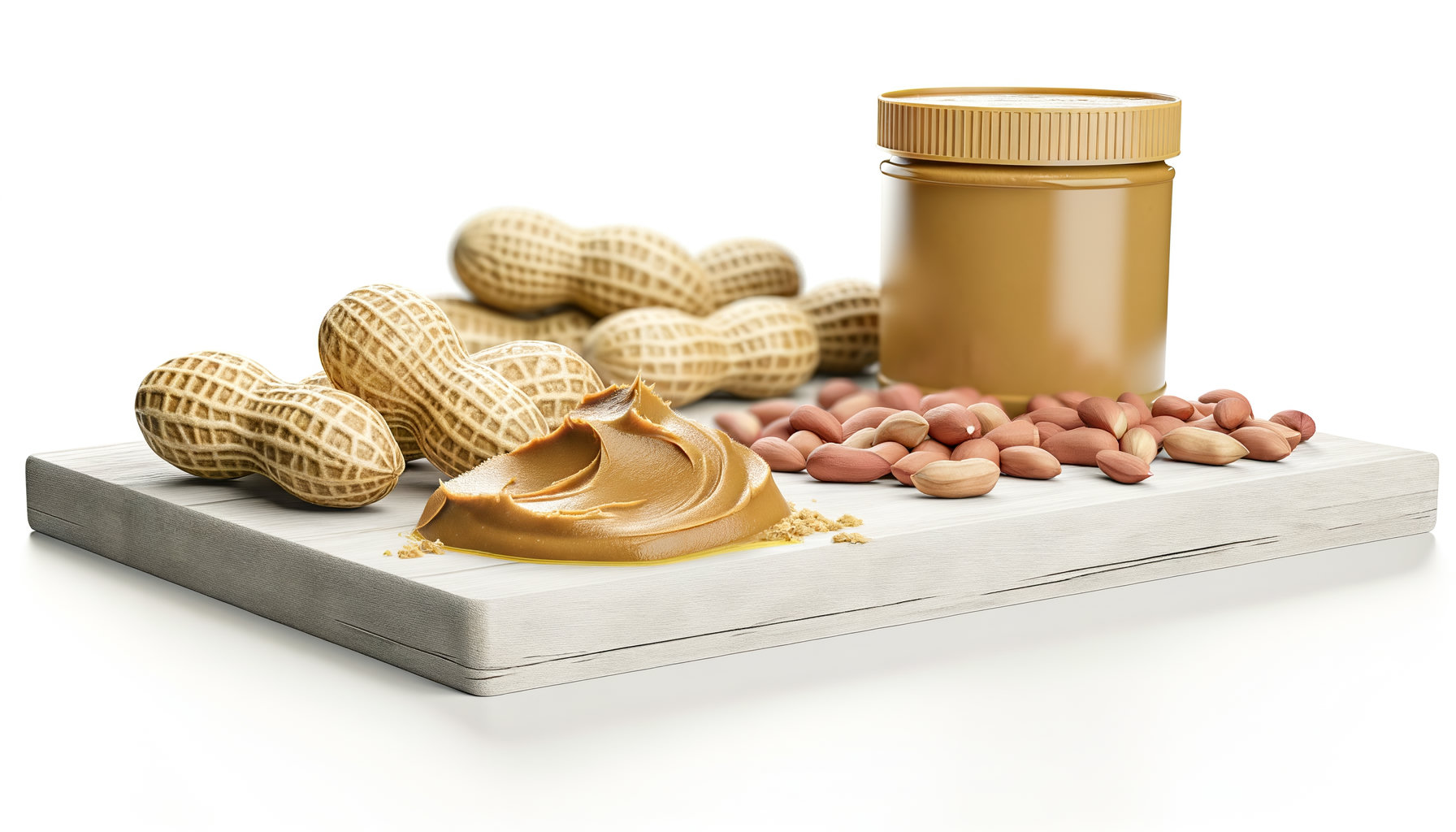
Peanut Butter (Arachis hypogaea) is a creamy or chunky spread that boasts a rich, nutty flavor profile with subtle notes of sweetness and earthiness, complemented by a warm, roasted aroma reminiscent of toasted nuts. Its texture can range from velvety smooth to coarse, providing a delightful mouthfeel that enhances both sweet and savory dishes. In culinary applications, peanut butter shines in iconic dishes such as the classic American peanut butter and jelly sandwich, where its emulsifying properties create a harmonious balance with the jelly, preventing separation and enhancing spreadability. In Thai cuisine, it is a key ingredient in satay sauce, where its fat content not only enriches the sauce but also helps to stabilize the emulsion with coconut milk, creating a luscious dip that clings beautifully to grilled meats. Originating from South America, peanut butter has become a staple in various global cuisines, particularly in the United States, where it is often associated with childhood nostalgia and comfort food. Traditional production methods involve roasting the peanuts to develop their flavor, followed by grinding them into a paste, which can be further processed to achieve different consistencies. What sets peanut butter apart is its high fat content, which contributes to its creamy texture and allows it to act as a binding agent in baked goods, enhancing moisture retention and extending shelf life. Additionally, the presence of proteins and natural oils means that when heated, peanut butter can undergo Maillard reactions, imparting complex flavors that deepen with cooking, making it a unique ingredient in both sweet and savory culinary applications.
Associated health effects(38)
- Diet Quality Improvement
- Caloric Density
- Micronutrient Density
- Cancer Mortality Risk Reduction
- Dietary Prebiotic Support
- Cardiovascular Protection
- Antioxidant
- Diabetes Management
- Allergic Reactions
- Cardiovascular Health
- Dose-Dependent Effects
- Energy Intake Stimulation
- Omega-6 Imbalance Risk
- Blood Pressure Reduction
- Gut Microbiota Modulation
- Aflatoxin Contamination Risk
- Anti-anxiety Effects
- Lipid Profile Improvement
- Blood Cholesterol Reduction
- HDL Cholesterol Elevation
- Cognitive Performance Enhancement
- Blood Sugar Regulation
- High Caloric Density
- VLCSFA-Mediated Cognitive Enhancement
- Dietary Fiber
- Allergic Reaction Risk
- Obesity and Weight Gain
- Bone Health
- Cognitive Function Enhancement
- Blood Lipid Profile Improvement
- Nutrient-Dense Protein Support
- VLCSFA-Mediated Cognitive and Physical Function Support
- Glycemic Index Modulation via Trace Nutrients
- LDL Cholesterol Reduction
- Fiber Content
- Immune Function
- Anticancer Potential
- Anti-inflammatory
Nutrition per 100 g(4)
- Energy: 588 kcal
- Protein: 25 g
- Fat: 50 g
- Fiber: 6 g