
Peanut Oil Sensory Map
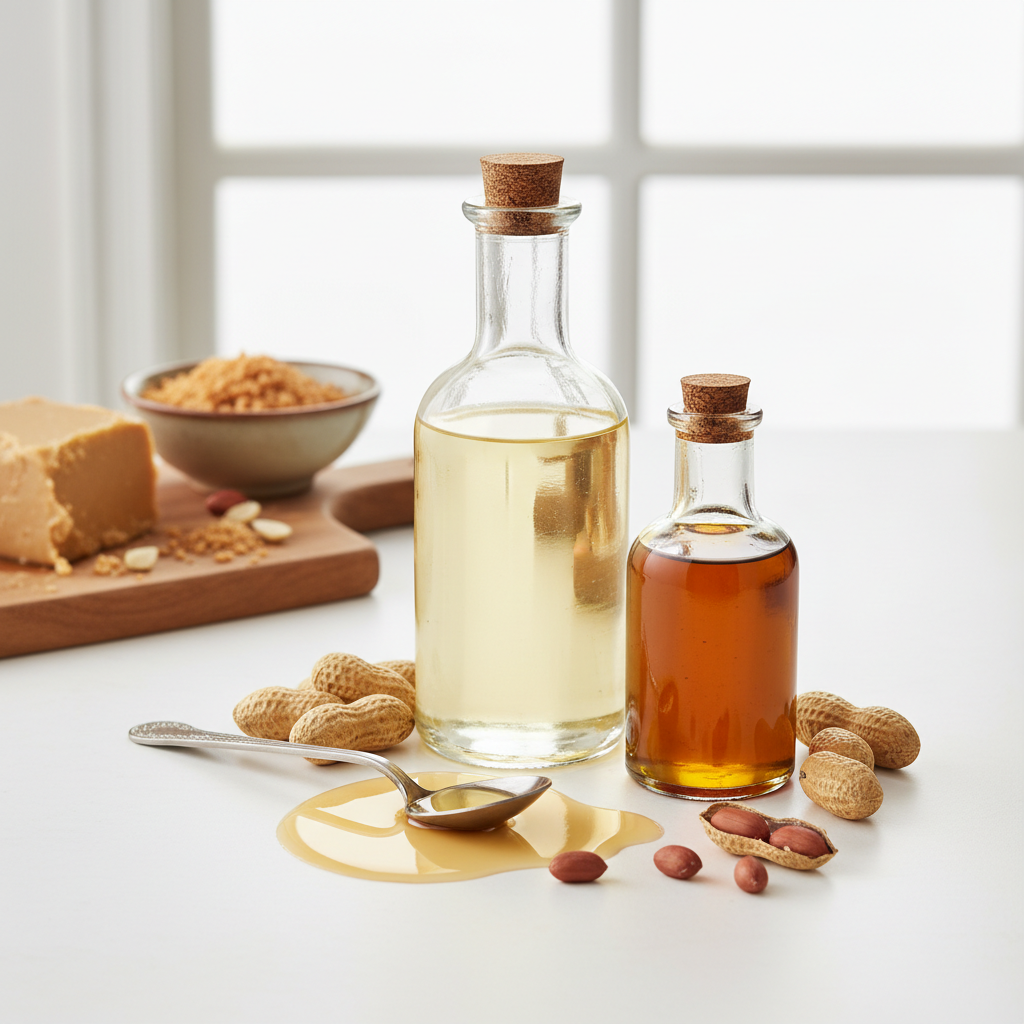
Peanut Oil
Arachis hypogaea
Sensory Profile
Tastes
Basic flavor profiles
Aromas
Scent characteristics
Stimuli
Sensory sensations
Textures
Physical properties
About Peanut Oil
Peanut Oil (Arachis hypogaea) is a cornerstone of high-heat cookery, prized for its pale golden hue and a sensory profile that ranges from the neutral, clean finish of refined varieties to the deep, toasted legume aroma and buttery, silken mouthfeel of cold-pressed artisanal extractions. Its exceptional thermal stability is defined by a high smoke point (approximately 450°F/232°C), which facilitates the Maillard reaction in stir-fries and deep-fried applications without the premature breakdown of fatty acids that leads to acrid off-flavors. This chemical resilience makes it the definitive medium for Southern American deep-fried poultry and classic Cantonese wok-cooking, where it provides the necessary "breath of the wok" (*wok hei*) by vaporizing at high temperatures to impart a complex, charred essence to proteins and vegetables. Originally domesticated in the tropical regions of South America before becoming a staple crop across West Africa and East Asia, the oil is traditionally extracted through hydraulic pressing or expeller methods that preserve its high concentration of monounsaturated fats. Unlike many vegetable oils, peanut oil possesses a unique resistance to flavor transfer, allowing chefs to fry diverse ingredients—such as seafood and dough—in the same batch without cross-contamination of taste, a technical advantage that ensures the structural integrity and flavor purity of the final dish.
Associated health effects(10)
- Insulin Sensitivity Enhancement
- Antioxidant
- Cardiovascular Health
- HDL Cholesterol Elevation
- Blood Sugar Regulation
- Chronic Disease Prevention
- Cholesterol Absorption Inhibition
- LDL Cholesterol Reduction
- Triglyceride Reduction
- Anti-inflammatory
Nutrition per 100 g(4)
- Energy: 900 kcal
- Protein: 0 g
- Fat: 100 g
- Fiber: 0 g