
Pecan Sensory Map
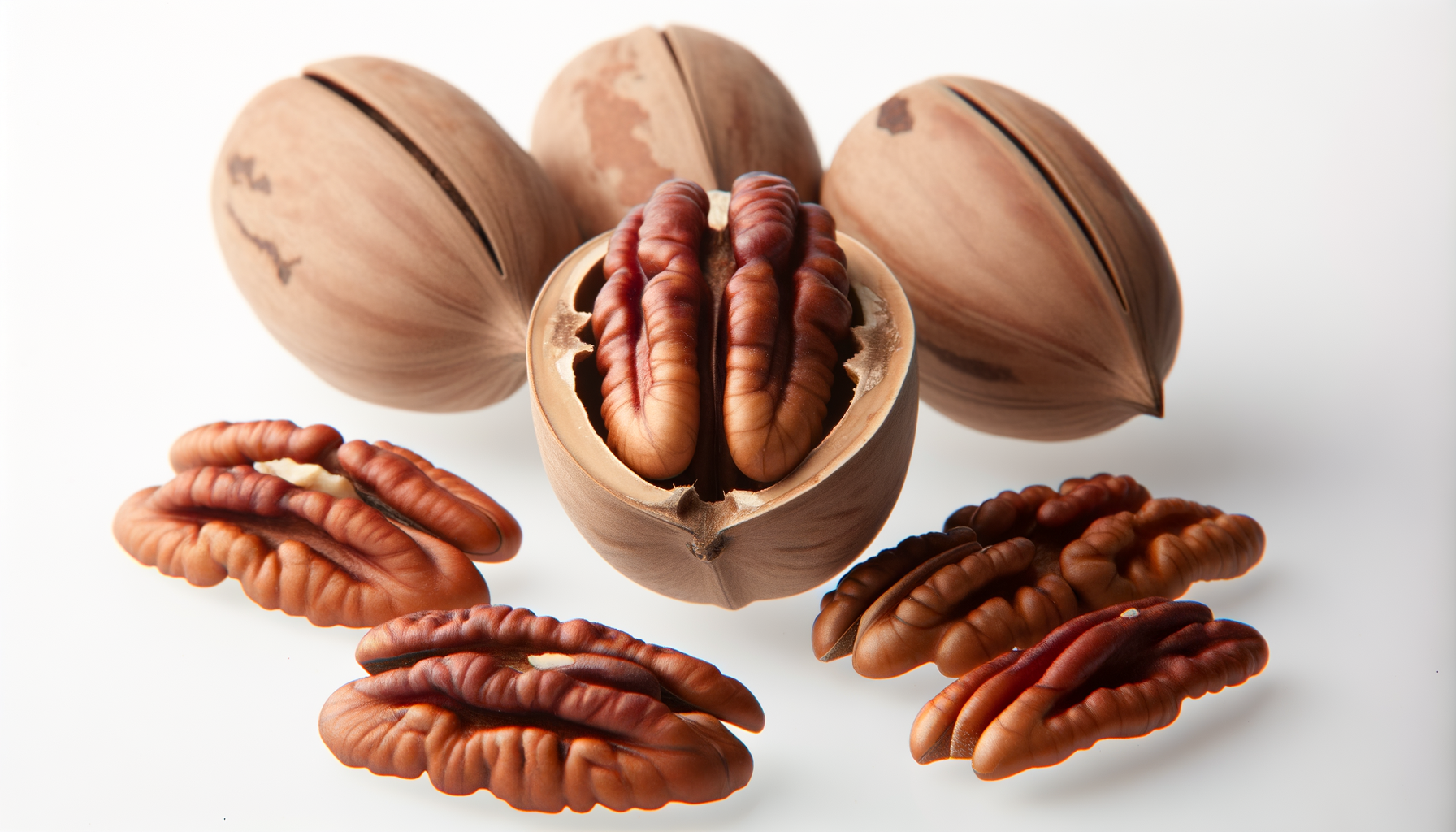
Pecan
Carya illinoinensis
Sensory Profile
Tastes
Basic flavor profiles
Aromas
Scent characteristics
Stimuli
Sensory sensations
Textures
Physical properties
About Pecan
Pecans offer a rich, buttery flavor with a subtle sweetness and a hint of earthiness. Their creamy texture and slightly crunchy bite make them a versatile ingredient in both sweet and savory dishes. Pecans are widely used in baking, most famously in pecan pie, where their natural sweetness shines. They are also a popular addition to salads, granola, and trail mixes, providing a satisfying crunch. In savory dishes, pecans can be used as a crust for meats or incorporated into sauces for added depth. Additionally, pecan oil is prized for its nutty flavor and is ideal for dressings and marinades. Native to North America, pecans are primarily cultivated in the southern United States, particularly in states like Georgia, Texas, and Louisiana. The pecan tree is the only major tree nut indigenous to North America, and it has been an important food source for Native American tribes for centuries. Pecans are characterized by their oval shape and smooth, dark brown shell, which can be easily cracked open to reveal the light brown, sweet kernel inside. They are rich in healthy fats, protein, and antioxidants, making them not only delicious but also nutritious. The unique flavor of pecans can vary slightly depending on the variety and growing conditions, with some offering a more pronounced sweetness or nuttiness. Their versatility
Associated health effects(67)
- Polyphenol Antioxidant Activity
- Zinc
- Non-HDL Cholesterol Reduction
- Diet Quality Improvement
- Satiety Enhancement
- Caloric Density
- Micronutrient Density
- Body Weight
- Polyunsaturated Fatty Acid Support
- Calcium Content Support
- Cardiovascular Protection
- Copper
- Antioxidant
- Allergic Reactions
- Dose-Dependent Effects
- Vitamin E Source
- Phytosterol-Mediated Cholesterol Reduction
- Gamma-Tocopherol Protective Activity
- Stroke Prevention
- Gut Microbiota Modulation
- Folate Source
- Aflatoxin Contamination Risk
- Nutritional Advantages
- Blood Cholesterol Reduction
- HDL Cholesterol Elevation
- Blood Sugar Support
- Inflammatory Bowel Disease Symptom Amelioration
- Satiety Modulation
- Antidiabetic Activity
- Weight Management/Satiety
- Blood Sugar Regulation
- Polyphenol-Mediated Endothelial Function Enhancement
- High Caloric Density
- Polyphenol-Mediated Antioxidant Activity
- Pecan-Induced Endothelial Function Enhancement
- Anti-steatotic Activity
- Anti-obesity Activity
- No Evidence of Toxicity, Heavy Metals, or Contaminants
- Thiamin
- Dietary Fiber
- Cholesterol Absorption Inhibition
- Monounsaturated Fatty Acid Support
- Prebiotic Fiber-Mediated Gut Microbiota Improvement
- Polyphenol-Mediated Endothelial Protection
- Cholesterol Management
- Manganese
- Protein Content
- Glycemic Index Modulation via Trace Nutrients
- Weight Management
- Exercise Recovery Enhancement
- LDL Cholesterol Reduction
- Polysaccharide Cognitive Support
- Potassium
- Fiber Content
- Triglyceride Reduction
- Weight Gain
- Brown Adipose Tissue Activation
- Pecan Allergy
- Neuroprotection
- Heart Health
- Magnesium
- Anticancer Potential
- Ellagitannin Antioxidant Activity
- Anti-inflammatory
- Cognitive Support
- Muscle Recovery Enhancement
- Gallbladder Disease Risk Reduction
Nutrition per 100 g(4)
- Energy: 743 kcal
- Protein: 9 g
- Fat: 72 g
- Fiber: 10 g