
Pickled Cucumber Sensory Map
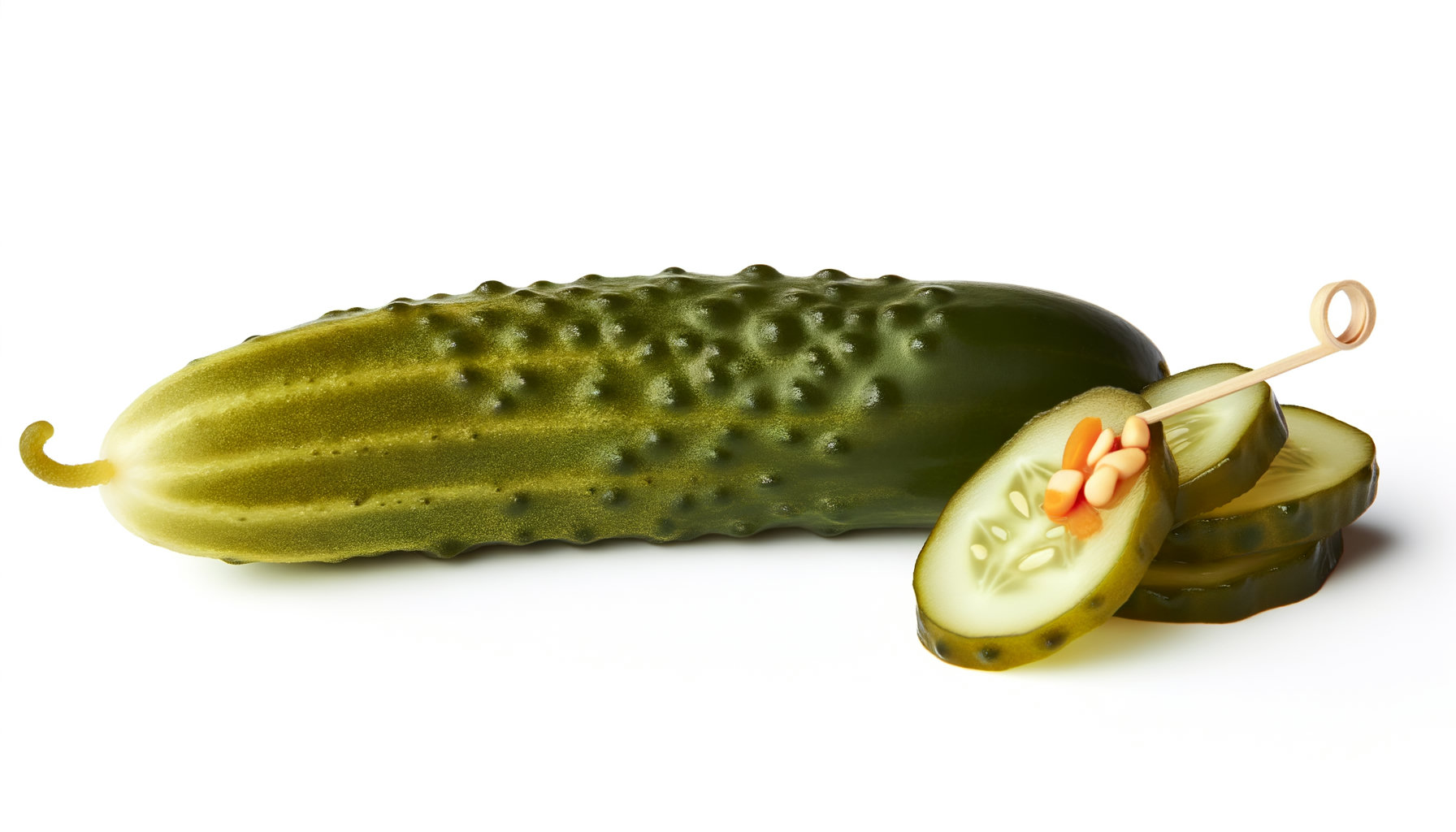
Pickled Cucumber
Cucumis sativus
Sensory Profile
Tastes
Basic flavor profiles
Aromas
Scent characteristics
Stimuli
Sensory sensations
Textures
Physical properties
About Pickled Cucumber
Pickled cucumbers offer a unique balance of tangy, sour, and slightly sweet flavors, enhanced by the infusion of spices during the pickling process. The crunchiness of the cucumber provides a refreshing contrast to the briny, zesty notes, making them a versatile addition to various dishes. Pickled cucumbers are a staple in many cuisines around the world. They are commonly used as a condiment in sandwiches, burgers, and salads, adding a burst of flavor and texture. In Eastern European cuisine, they are often served alongside hearty meats and potatoes. Additionally, they can be incorporated into relishes, dressings, and charcuterie boards, or enjoyed as a tangy snack on their own. The cucumber is believed to have originated in South Asia, specifically in the region that includes parts of India and Myanmar. Its cultivation dates back over 3,000 years, with pickling practices emerging as a method of preservation in various cultures. Today, pickled cucumbers are enjoyed globally, with regional variations in pickling spices and techniques. Pickled cucumbers are characterized by their firm texture and vibrant green color, which can range from pale to deep green depending on the variety. The pickling process not only enhances their flavor but also extends their shelf life, making them a popular choice for both home cooks and commercial chefs.
Associated health effects(53)
- Calcium Loss
- Sodium-Induced Calcium Loss
- Micronutrient Density
- Listeriosis Risk from Unpasteurized Varieties
- Acidity-Induced Heartburn
- Biogenic Amine Exposure
- Beta-Carotene-Mediated Vitamin A Support
- Antioxidant
- Allergic Reactions
- Acidity-Induced Gastric Irritation
- Spoilage-Related Toxicity Risk
- Acidity-Induced Dental Erosion
- Nutritional Advantages
- Cancer Risk
- Blood Sugar Support
- Low Caloric Density
- Vitamin K Source
- Probiotic Provision
- Vitamin K Support
- Bioactive Peptide Blood Pressure Support
- Blood Sugar Regulation
- Gut Microbiota Modulation via Probiotics
- Immune Booster
- High Sodium Content
- Immune Modulation
- Gastrointestinal Ulcer Risk
- Electrolyte Replenishment
- Acetic Acid-Mediated Calcium Absorption Enhancement
- Sodium Overload Risk
- Mineral Content
- Hepatoprotection
- Traditional Uses
- Dietary Fiber
- Anxiety Relief via GABAergic Modulation
- Dental Enamel Erosion
- Vitamin K Content Support
- Bone Health
- Blood Pressure Elevation
- Flavor Enhancement-Mediated Dietary Compliance Support
- GABA Production Support
- Weight Management
- Vitamin K2 Provision
- N-nitroso Compound Exposure
- Cholesterol-Free Nature
- Digestive Upset
- Lactic Fermentation-Mediated Gut Microbiota Modulation
- Fiber Content
- Vitamin K Provision
- Lactic Fermentation-Derived Probiotic Support
- Sodium Overload
- Digestive Aid
- Gastrointestinal Irritation
- Anti-inflammatory
Nutrition per 100 g(4)
- Energy: 20 kcal
- Protein: 0.5 g
- Fat: 0.5 g
- Fiber: 1 g