
Piment d'Espelette Sensory Map
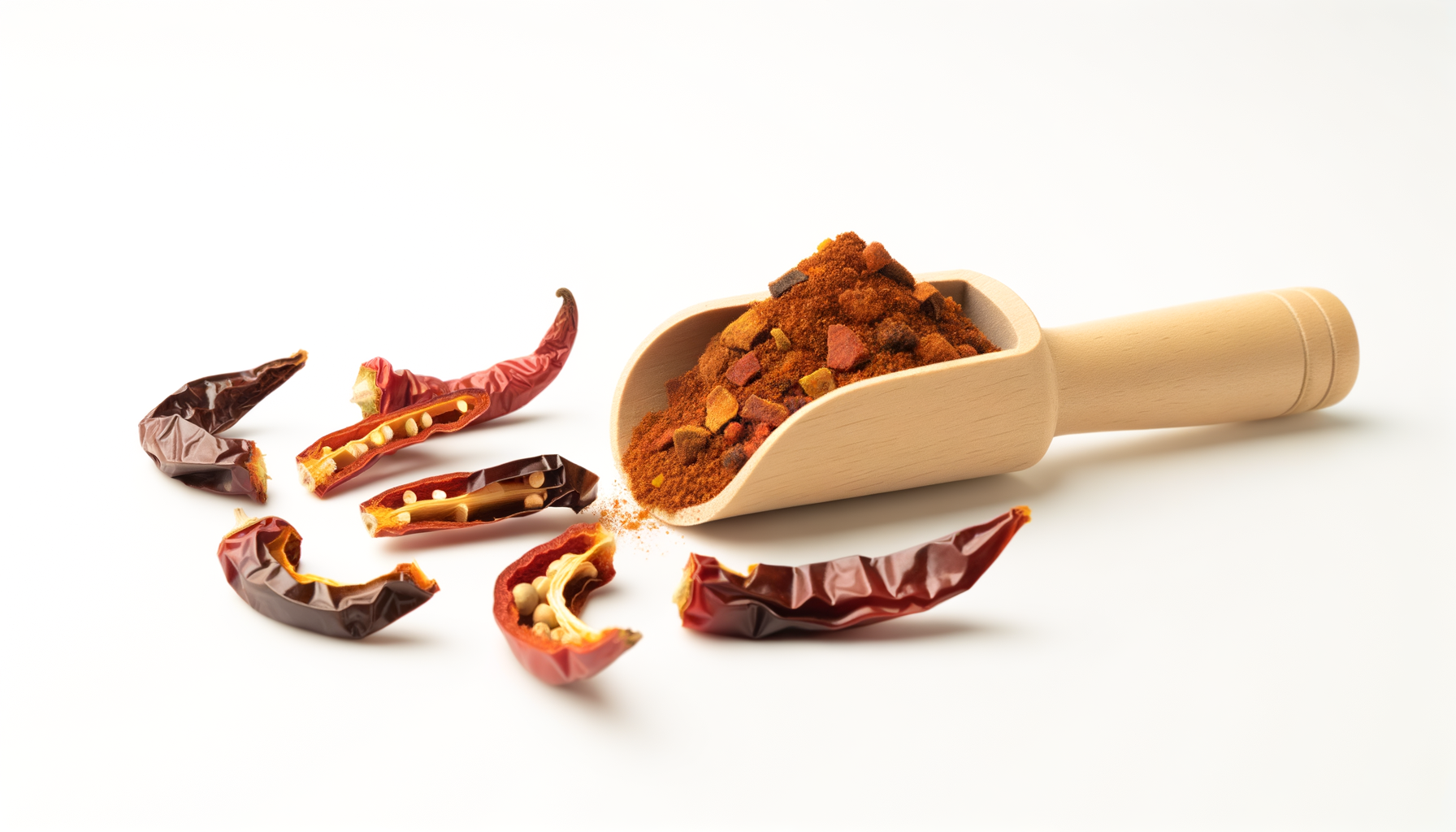
Piment d'Espelette
Capsicum annuum
Sensory Profile
Tastes
Basic flavor profiles
Aromas
Scent characteristics
Stimuli
Sensory sensations
Textures
Physical properties
About Piment d'Espelette
Espelette pepper boasts a unique flavor that is both fruity and mildly spicy, with a heat level that typically ranges from 4,000 to 5,000 Scoville Heat Units. Its warm, smoky undertones and subtle sweetness make it a versatile addition to various dishes, providing a gentle heat that enhances rather than overwhelms. Traditionally used in Basque cuisine, Espelette pepper is a staple in dishes such as piperade, a sautéed vegetable dish, and is often sprinkled over meats, fish, and vegetables to add depth and warmth. It is also a key ingredient in the famous Basque dish, "axoa," and can be found in sauces, stews, and even as a seasoning for cheeses. Its distinctive flavor makes it an excellent choice for spice blends and marinades, as well as a finishing touch for soups and salads. Espelette pepper originates from the village of Espelette in the French Basque Country, where it has been cultivated since the 17th century. The pepper is recognized for its unique terroir, influenced by the region's climate and soil, which contribute to its distinctive flavor profile. In 2000, it was granted AOC (Appellation d'Origine Contrôlée) status, ensuring that only peppers grown in this specific area can be labeled as "Espe
Associated health effects(42)
- Capsaicin-Induced Appetite Suppression
- Capsaicin-Induced Sensory Burning
- Circulation Support
- Beta-Carotene Source
- Micronutrient Density
- Appetite Stimulant
- Capsaicin-Induced Gastrointestinal Aggravation
- Cardiovascular Protection
- Antioxidant
- Cardiovascular Health
- Dose-Dependent Effects
- Vitamin E Source
- Analgesic Activity
- Vitamin Content Support
- Gut Microbiota Modulation via Capsaicin
- Nutritional Advantages
- HDL Cholesterol Elevation
- Low Caloric Density
- Capsaicin-Induced Pain Relief
- Cardiovascular Stress
- Digestive Stimulation
- Immune Booster
- Capsaicin-Induced Gastroesophageal Reflux Aggravation
- Capsaicin-Induced LDL Oxidation Reduction
- Digestive Irritation
- Iron Content Support
- Capsaicin-Induced Thermogenesis
- Mineral Content
- Dietary Fiber
- All-Cause Mortality Reduction
- Antioxidant Immunity Support
- Digestive Protection
- Weight Management
- B Vitamin Nervous System Support
- Antimicrobial Activity (Capsaicin-Specific)
- Potassium
- Capsaicin-Induced Gastrointestinal Irritation
- Magnesium
- Digestive Aid
- Vitamin A Source
- Anticancer Potential
- Anti-inflammatory
Nutrition per 100 g(4)
- Energy: 155 kcal
- Protein: 5 g
- Fat: 1.5 g
- Fiber: 10 g