
Pine nut Sensory Map
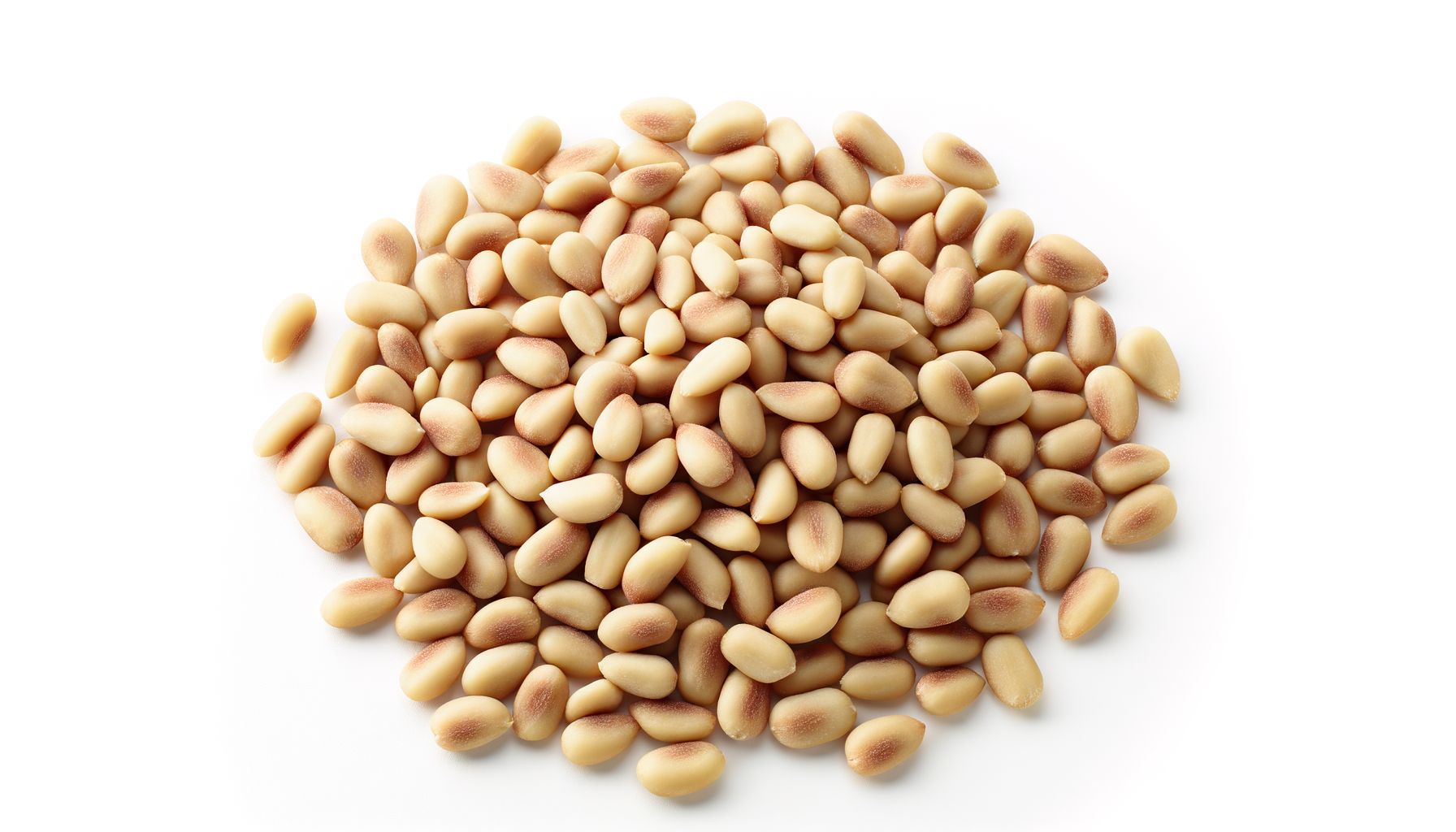
Pine nut
Pinus pinea
Sensory Profile
Tastes
Basic flavor profiles
Aromas
Scent characteristics
Stimuli
Sensory sensations
Textures
Physical properties
About Pine nut
Pine nuts possess a rich, buttery flavor with a subtle sweetness and a hint of resinous earthiness. Their creamy texture enhances both sweet and savory dishes, making them a versatile ingredient in various cuisines. Widely used in Mediterranean cuisine, pine nuts are a key ingredient in pesto, lending a creamy consistency and nutty depth. They can be toasted to enhance their flavor and are often sprinkled over salads, pasta, and vegetable dishes. In baking, they add a delightful crunch to cookies and cakes, while also being a popular addition to granola and trail mixes. Additionally, they can be incorporated into sauces and spreads, providing a unique flavor profile. The stone pine, or Italian stone pine, is native to the Mediterranean region, particularly found in countries like Italy, Spain, and Portugal. Pine nuts have been harvested for thousands of years, with historical references dating back to ancient Roman and Greek civilizations, where they were prized for their nutritional value and flavor. Pine nuts are small, elongated seeds that are typically pale yellow to light brown in color. They are encased in a hard shell, which is often removed before sale. Their high oil content gives them a rich flavor but also makes them prone to rancidity, necessitating careful storage in a cool, dark place. Pine nuts are not only delicious but also packed with nutrients, including healthy fats, protein,
Associated health effects(48)
- Circulation Support
- Satiety Enhancement
- Micronutrient Density
- Polyunsaturated Fatty Acid Support
- Cardiovascular Protection
- Adipogenesis Suppression
- Antioxidant
- Allergic Reactions
- Allergy Risk
- Polyunsaturated Fatty Acid Provision
- Vitamin E Source
- Blood Pressure Reduction
- Aflatoxin Contamination Risk
- Cancer-Preventive
- HDL Cholesterol Elevation
- Blood Sugar Support
- Trace Mineral-Linked Blood Sugar Support
- Blood Sugar Regulation
- High Caloric Density
- Immune Modulation
- Polyphenol-Mediated Antioxidant Activity
- Atherosclerosis Prevention
- Mood Enhancement
- Foodborne Illness Risk
- Anti-obesity Activity
- Mineral Content
- Dietary Fiber
- Monounsaturated Fatty Acid Support
- Bone Health
- Nutrient-Dense Protein Support
- Cholesterol Management
- Brain Health
- Protein Content
- Weight Management
- Anti-aging Activity
- HDL Cholesterol
- LDL Cholesterol Reduction
- Pine Nut Syndrome
- Antibacterial
- Fiber Content
- Triglyceride Reduction
- Neuroprotection
- Heart Health
- Antiviral
- Magnesium
- Lipid Metabolism Support
- Anti-inflammatory
- Cognitive Support
Nutrition per 100 g(4)
- Energy: 673 kcal
- Protein: 13.7 g
- Fat: 68.4 g
- Fiber: 3.7 g