
Pink Peppercorn Sensory Map
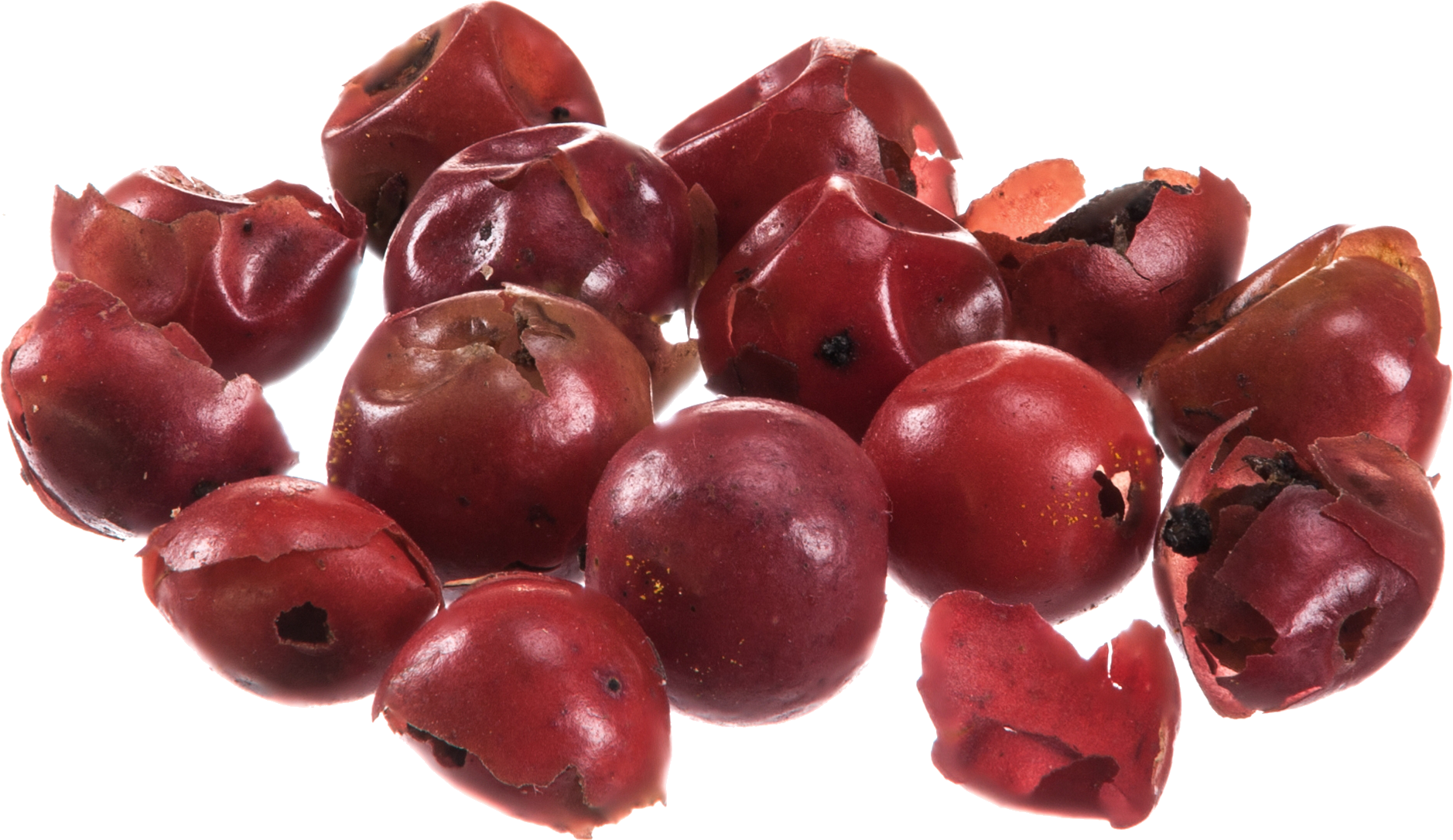
Pink Peppercorn
Schinus terebinthifolius
Sensory Profile
Tastes
Basic flavor profiles
Aromas
Scent characteristics
Stimuli
Sensory sensations
Textures
Physical properties
About Pink Peppercorn
Pink peppercorns offer a unique and subtle flavor that is both sweet and mildly spicy, with a hint of citrus and a delicate floral note. Unlike traditional black pepper, they lack the pungency and heat, making them a versatile addition to various dishes. Pink peppercorns are often used to enhance the visual appeal and flavor of salads, seafood, and poultry dishes. They can be incorporated into sauces, dressings, and marinades, or used as a finishing touch on charcuterie boards. Their vibrant color and mild flavor make them an excellent choice for desserts, particularly in chocolate or fruit-based recipes. Originally native to South America, particularly Brazil and Peru, the pink peppercorn tree is now cultivated in various tropical and subtropical regions around the world. It is important to note that while they are called "peppercorns," they are not true pepper (Piper nigrum) and belong to the Anacardiaceae family, which also includes cashews and poison ivy. Pink peppercorns are small, round, and typically bright pink to red in color. They are harvested from the berries of the Brazilian pepper tree (S. terebinthifolius) or the Peruvian pepper tree (S. molle) and are often sold dried. Their delicate texture and mild flavor make them a favorite among chefs looking to add a pop of color and a gentle spice to their culinary creations.
Associated health effects(53)
- Anxiety Relief
- Poison Ivy-Like Dermatitis
- Expectorant
- Appetite Stimulant
- Mood Enhancement via Aromatic Exposure
- Dental Caries Reduction
- Anti-arthritic
- Antiseptic Skin Protection
- Antioxidant
- Allergic Reactions
- Dose-Dependent Effects
- Allergy Risk
- Analgesic Activity
- Nutritional Advantages
- Wound Healing
- Cancer-Preventive
- Antifungal
- Liver Support
- Respiratory Infection Symptom Relief
- Disease Prevention Through Antioxidants
- Protein Cross-Reactivity Immune Response
- Cytotoxic Activity Against Cancer Cell Lines
- Blood Sugar Support
- Respiratory Relief via Linalool Aroma
- Blood Sugar Regulation
- Immune Booster
- Vision Protection
- Urushiol Cross-Reactivity Allergy Risk
- Mood Enhancement
- No Evidence of Toxicity, Heavy Metals, or Contaminants
- At-Risk Populations
- Polysaccharide Immune Modulation
- Sumac Family Allergenicity
- Dietary Fiber
- Skin Health
- Allergic Reaction Risk
- Muscle Pain Relief
- Acute Oral Toxicity
- Alpha-glucosidase Inhibition
- Potential Allergenicity from Anacardiaceae Compounds
- Antibacterial
- Sensory Neurological Effects
- Fiber Content
- Mast Cell Stabilization
- Immune Function
- Contact Dermatitis
- Antiviral
- Moronic Acid-Mediated Antiviral Activity
- Digestive Aid
- Respiratory Support
- Gastrointestinal Irritation
- Anticancer Potential
- Anti-inflammatory
Nutrition per 100 g(4)
- Energy: 370 kcal
- Protein: 5 g
- Fat: 5 g
- Fiber: 25 g