
Pinot Grigio Sensory Map
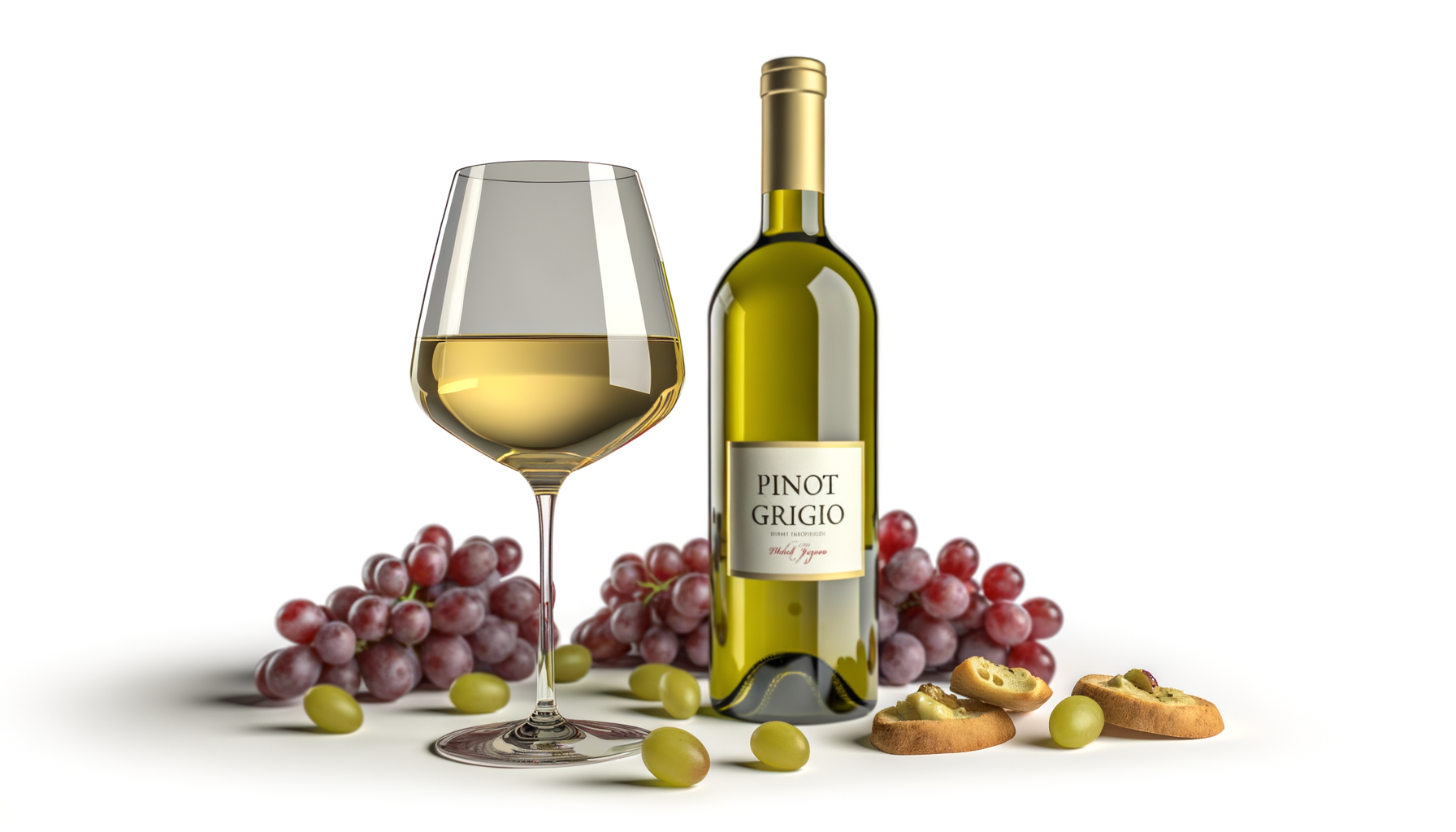
Pinot Grigio
Vitis vinifera
Sensory Profile
Tastes
Basic flavor profiles
Aromas
Scent characteristics
Stimuli
Sensory sensations
Textures
Physical properties
About Pinot Grigio
Pinot Grigio, a white wine grape variety, is renowned for its crisp and refreshing flavor profile. It typically exhibits bright acidity with notes of green apple, pear, and citrus, complemented by subtle hints of floral and mineral undertones. Depending on the region and winemaking techniques, it can also showcase flavors of stone fruits, honey, and a slight spiciness, making it versatile for various palates. This versatile grape is primarily used to produce white wine, which pairs beautifully with a wide range of dishes. Its light and zesty character makes it an excellent accompaniment to seafood, poultry, and salads. Pinot Grigio is also a popular choice for light pasta dishes and creamy sauces, enhancing flavors without overpowering them. Additionally, it can be enjoyed as an aperitif or in refreshing cocktails. Pinot Grigio is believed to have originated in the Burgundy region of France, where it is known as Pinot Gris. The grape has since spread across Europe and is particularly prevalent in Italy, where it has become one of the country’s most celebrated white wine varieties. The grape thrives in cooler climates, which help preserve its acidity and enhance its aromatic qualities. Pinot Grigio is distinguished by its grayish-blue skin, which can vary in color from a bluish hue to a light pink,
Associated health effects(14)
- Antioxidant
- Allergic Reactions
- Kidney Protection
- Liver Toxicity
- Cancer Risk
- Addiction Potential
- Interaction with Medications
- Cholesterol Management
- Lung Function Support
- Weight Management
- Weight Gain
- Neuroprotection
- Heart Health
- Anti-inflammatory
Nutrition per 100 g(4)
- Energy: 83 kcal
- Protein: 0.1 g
- Fat: 0 g
- Fiber: 0 g