
Pinot Noir Sensory Map
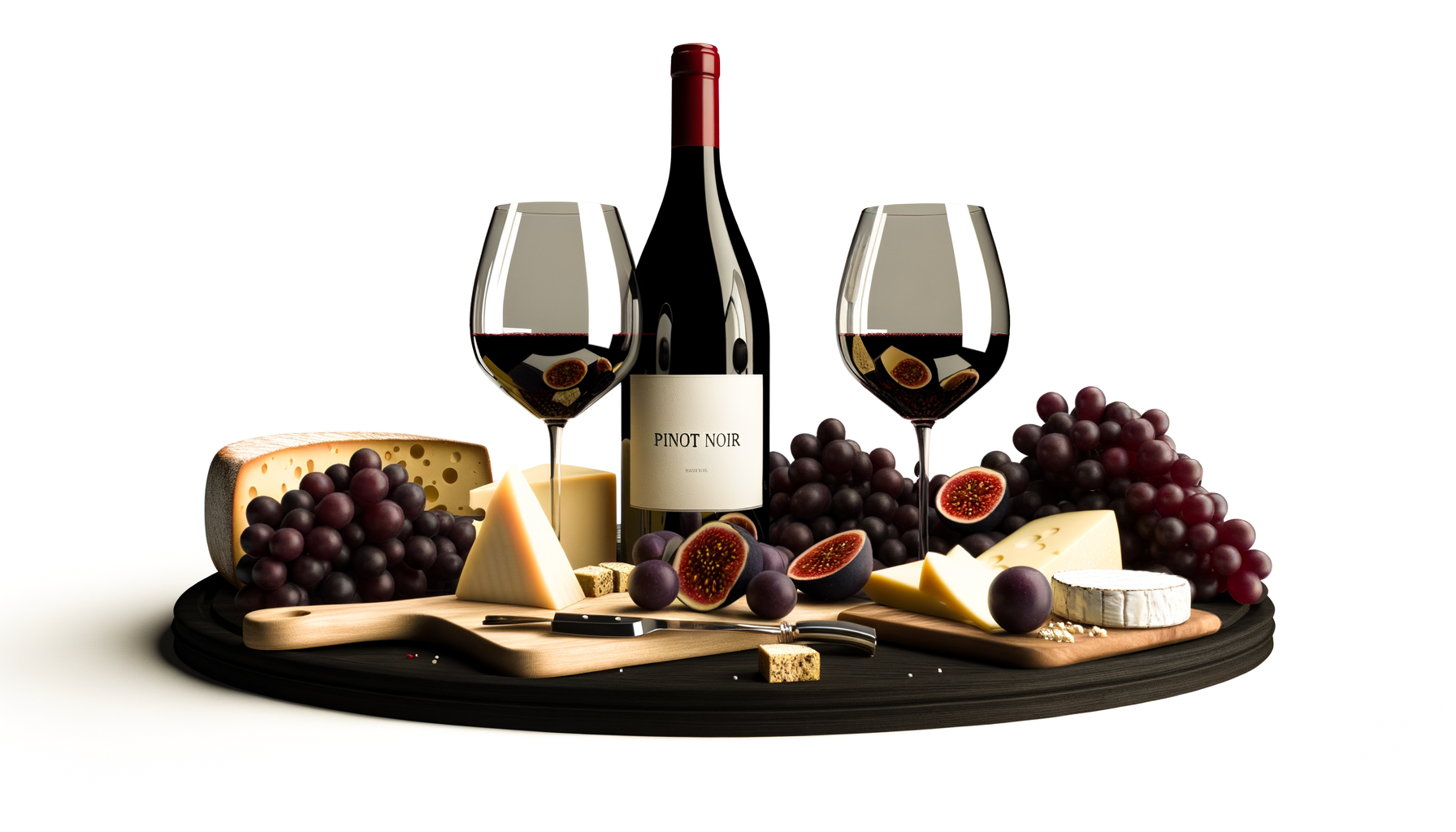
Pinot Noir
Vitis vinifera
Sensory Profile
Tastes
Basic flavor profiles
Aromas
Scent characteristics
Stimuli
Sensory sensations
Textures
Physical properties
About Pinot Noir
Pinot Noir is renowned for its complex flavor profile, characterized by bright red fruit notes such as cherry, raspberry, and strawberry, often complemented by earthy undertones of mushroom, forest floor, and subtle spice. As it ages, it can develop deeper flavors of plum, leather, and smoke, along with a velvety texture and balanced acidity that enhances its elegance. Primarily celebrated as a premium wine grape, Pinot Noir is used to produce a variety of wine styles, from light-bodied to full-bodied reds, as well as sparkling wines like Champagne. In culinary applications, it pairs beautifully with dishes such as roasted poultry, duck, grilled salmon, and earthy vegetables like mushrooms and beets. Its acidity and fruitiness also make it a versatile companion for charcuterie and cheese boards. Pinot Noir is believed to have originated in the Burgundy region of France, where it has been cultivated for centuries. Its name translates to "black pine," referencing the grape's tightly clustered, pinecone-shaped bunches. Today, it is grown in various wine-producing regions worldwide, including California, Oregon, New Zealand, and Germany, each imparting unique characteristics influenced by local terroir. Pinot Noir is known for its finicky nature, requiring specific climatic conditions to thrive, which contributes to its reputation as a challenging grape to cultivate.
Associated health effects(14)
- Cytochrome P450 Interaction
- Antioxidant
- Dose-Dependent Effects
- Nutritional Advantages
- Liver Toxicity
- Cancer Risk
- Addiction Potential
- Gout and Metabolic Disorders
- Cardioprotective Activity
- Mood Enhancement
- Interaction with Medications
- Weight Gain
- Anticancer Potential
- Anti-inflammatory
Nutrition per 100 g(4)
- Energy: 83 kcal
- Protein: 0.1 g
- Fat: 0 g
- Fiber: 0 g