
Pistachio Sensory Map
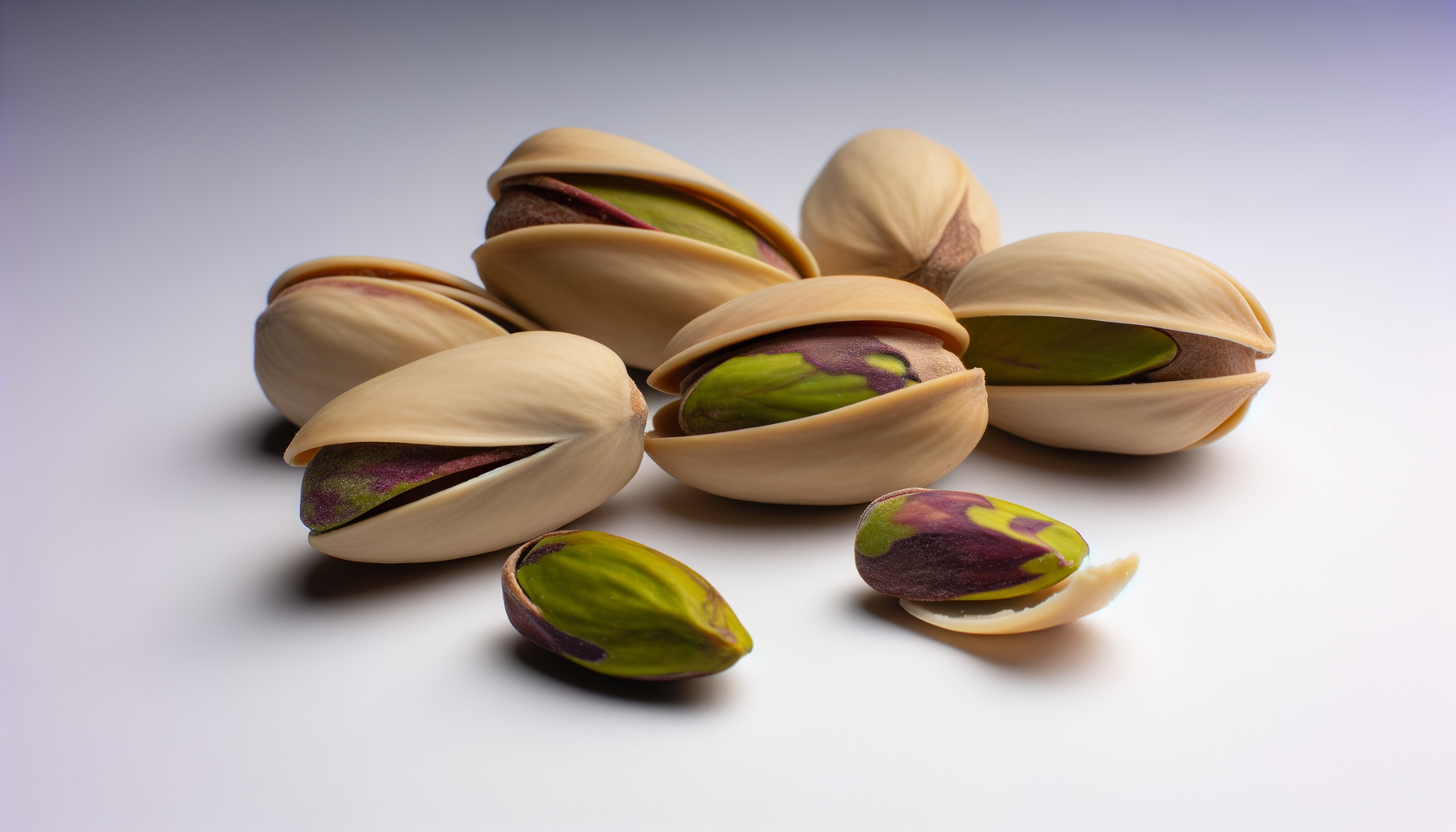
Pistachio
Pistacia vera
Sensory Profile
Tastes
Basic flavor profiles
Aromas
Scent characteristics
Stimuli
Sensory sensations
Textures
Physical properties
About Pistachio
Pistachios offer a unique flavor that is both nutty and subtly sweet, with a creamy texture that enhances their appeal. The taste is often described as rich and buttery, with a hint of earthiness and a slight saltiness when roasted. Their vibrant green color and occasional purple flecks add visual interest, making them a popular choice for both sweet and savory dishes. Pistachios are incredibly versatile in the kitchen. They can be enjoyed raw, roasted, or salted as a snack, and are often used in baking, adding depth to cookies, cakes, and pastries. In savory dishes, they can be incorporated into salads, pilafs, and sauces, or used as a crust for meats and fish. Additionally, ground pistachios are a key ingredient in Middle Eastern sweets such as baklava and halva, and they can also be blended into pestos or used to garnish dishes for a pop of color and flavor. The pistachio tree is native to the Middle East and Central Asia, with historical cultivation dating back over 3,000 years. Today, Iran, the United States (particularly California), and Turkey are among the largest producers of pistachios. The tree thrives in arid climates, requiring well-drained soil and plenty of sunlight, which contributes to the nut's distinctive flavor profile.
Associated health effects(39)
- Butyrate Production Enhancement
- Satiety Enhancement
- Micronutrient Density
- Polyunsaturated Fatty Acid Support
- Antioxidant
- Allergic Reactions
- Allergy Risk
- Vitamin E Source
- Phytosterol-Mediated Blood Pressure Reduction
- Blood Pressure Reduction
- Gut Microbiota Modulation
- Aflatoxin Contamination Risk
- HDL Cholesterol Elevation
- Phytosterol-Mediated Endothelial Protection
- Blood Sugar Support
- Blood Sugar Regulation
- Phytosterol-Mediated LDL Reduction
- Immune Modulation
- Vision Protection
- No Evidence of Toxicity, Heavy Metals, or Contaminants
- Mineral Content
- Dietary Fiber
- Cholesterol Absorption Inhibition
- Monounsaturated Fatty Acid Support
- Prebiotic Fiber-Mediated Gut Microbiota Improvement
- Bone Health
- Cholesterol Management
- Carotenoid Eye Protection
- Protein Content
- Weight Management
- HDL Cholesterol
- LDL Cholesterol Reduction
- Heart Health
- Eye Health
- Lipid Metabolism Support
- Short-Chain Fatty Acid Production Enhancement
- Lutein and Zeaxanthin Support
- Cholesterol Improvement
- Anti-inflammatory
Nutrition per 100 g(4)
- Energy: 562 kcal
- Protein: 20.27 g
- Fat: 45.32 g
- Fiber: 10.6 g