
Plum Sensory Map
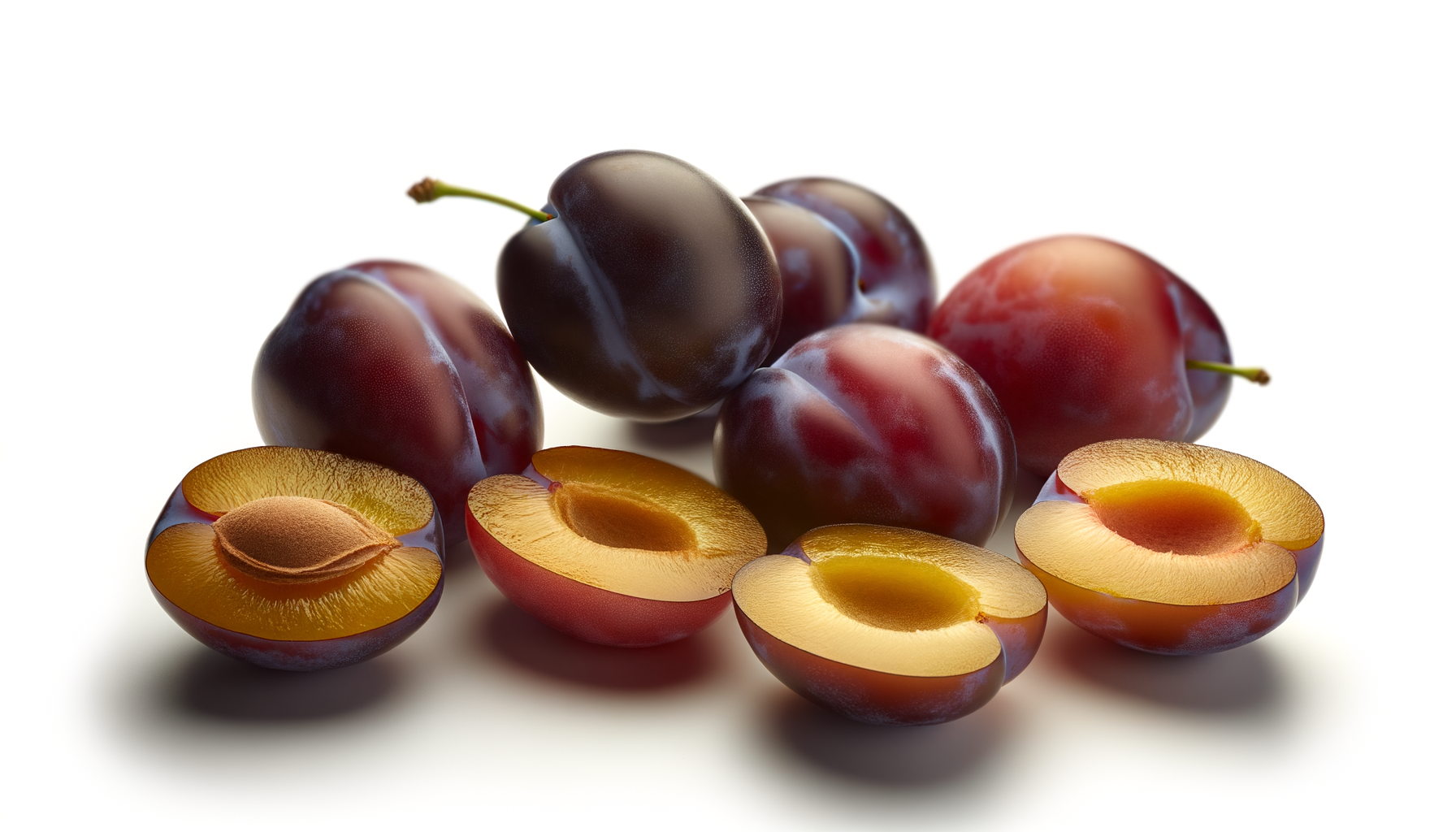
Plum
Prunus prunus
Sensory Profile
Tastes
Basic flavor profiles
Aromas
Scent characteristics
Stimuli
Sensory sensations
Textures
Physical properties
About Plum
Plum offers a delightful balance of sweetness and tartness, with juicy, succulent flesh that varies in flavor intensity depending on the variety. The taste can range from honeyed and floral to tangy and slightly astringent, often accompanied by subtle notes of earthiness and spice. Plums are versatile in the kitchen, utilized in both sweet and savory dishes. They can be enjoyed fresh, sliced into salads, or blended into smoothies. In cooking, plums are often used to create jams, jellies, and sauces, enhancing dishes with their rich flavor. They pair well with meats, particularly pork and duck, and can be roasted or grilled to intensify their sweetness. Dried plums, known as prunes, are commonly used for their health benefits and as a natural sweetener in baked goods. Plums belong to the genus Prunus, which includes cherries, apricots, and almonds. They are believed to have originated in the regions of the Caucasus and the Mediterranean, with cultivation dating back thousands of years. Today, plums are grown in temperate regions around the world, with significant production in China, the United States, and various European countries. Plums are characterized by their smooth skin, which can range in color from deep purple to yellow, red, or green, depending on the
Associated health effects(48)
- Bone-Specific Alkaline Phosphatase Enhancement
- Blood Pressure Support
- Blood Sugar Spikes
- Micronutrient Density
- Constipation Relief
- Cardiovascular Protection
- Antioxidant
- Cardiovascular Health
- Bone Resorption Inhibition
- Short-Chain Fatty Acid Production
- Liver Enzyme Reduction
- Blood Pressure Reduction
- Vitamin Content Support
- Type 2 Diabetes Prevention
- Cancer Cell Inhibition via Polyphenols
- Anthocyanin-Mediated Colonic Barrier Support
- Colonic Barrier Protection
- Blood Sugar Support
- Quercetin and Rutin Flavonoid Support
- Weight Management/Satiety
- Blood Sugar Regulation
- Anthocyanin-Mediated Gut Microbiota Modulation
- Total Cholesterol
- Immune Booster
- Chronic Disease Prevention
- Polyphenol-Mediated Antioxidant Activity
- Colonic Microbiota Modulation
- No Evidence of Toxicity, Heavy Metals, or Contaminants
- Mineral Content
- Dietary Fiber
- Prebiotic Fiber-Mediated Gut Microbiota Improvement
- Bone Health
- Cholesterol Management
- Boron-Linked Bone Density Support
- Osmotic Laxative Activity
- Weight Management
- LDL Cholesterol Reduction
- Mumefural-Mediated Blood Flow Support
- Gastrointestinal Distress
- Sorbitol-Mediated Osmotic Laxative Activity
- Heart Health
- Eye Health
- Digestive Aid
- Vitamin A Source
- Cholesterol Improvement
- Anticancer Potential
- Anti-inflammatory
- Cognitive Support
Nutrition per 100 g(4)
- Energy: 46 kcal
- Protein: 0.7 g
- Fat: 0.3 g
- Fiber: 1.4 g