
Pomegranate Sensory Map
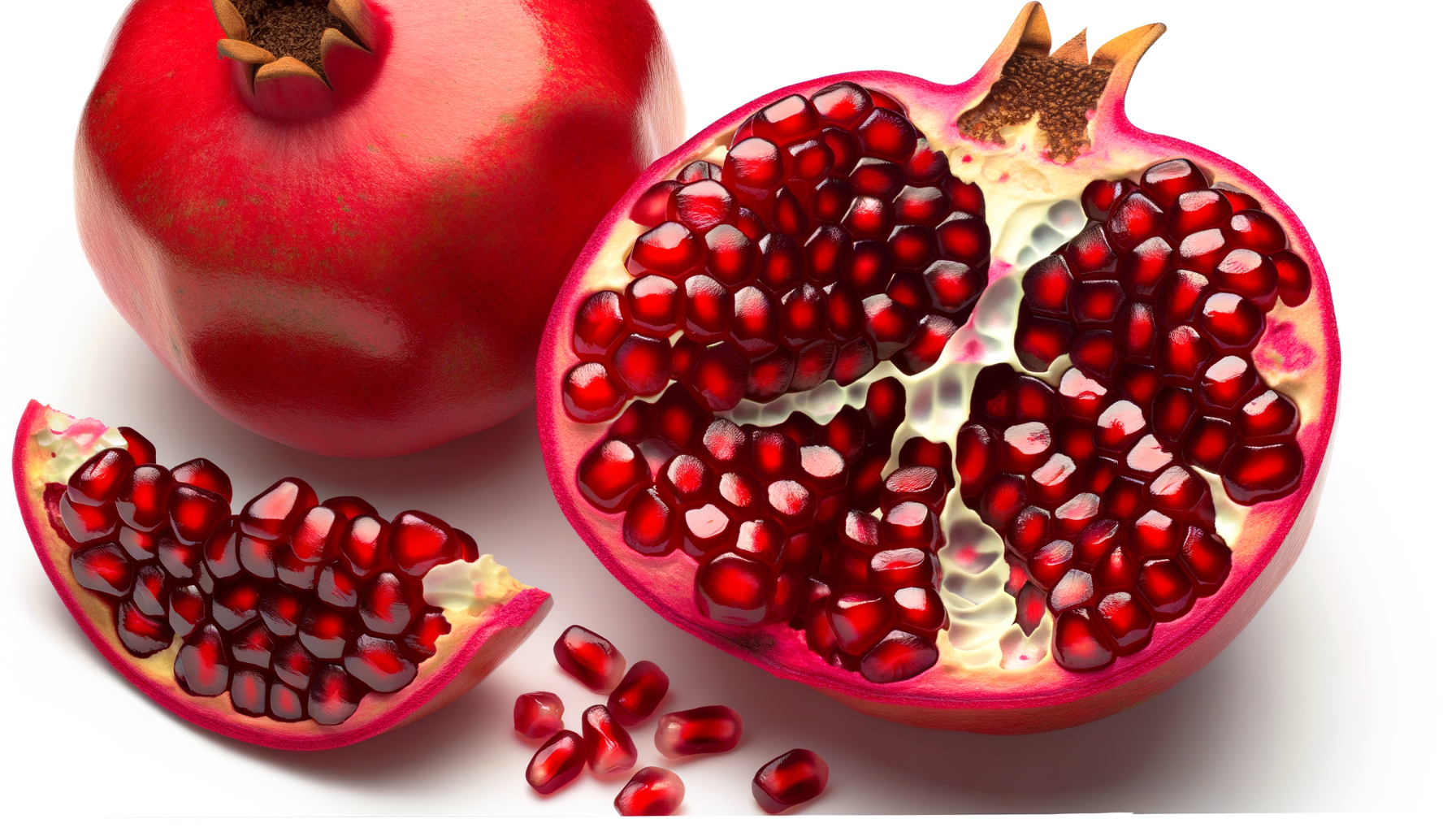
Pomegranate
Punica granatum
Sensory Profile
Tastes
Basic flavor profiles
Aromas
Scent characteristics
Stimuli
Sensory sensations
Textures
Physical properties
About Pomegranate
Pomegranate seeds, or arils, offer a unique burst of flavor that is both sweet and tart. The juicy, ruby-red seeds have a refreshing quality, with a slight acidity that balances their natural sweetness. This complex flavor profile makes pomegranate a versatile ingredient in both sweet and savory dishes. Pomegranate is celebrated for its culinary versatility. The seeds can be used fresh in salads, desserts, and as a garnish for various dishes, adding a vibrant color and a delightful crunch. Pomegranate juice is a popular ingredient in marinades, dressings, and beverages, while pomegranate molasses, a thick syrup made from reduced juice, is often used in Middle Eastern cuisine to add depth and sweetness to sauces and glazes. Additionally, dried pomegranate seeds can be used as a spice or topping, enhancing dishes with their tart flavor. Pomegranate is believed to have originated in the region extending from modern-day Iran to northern India, where it has been cultivated for thousands of years. It holds significant cultural and historical importance, appearing in ancient texts and art across various civilizations, including Persian, Greek, and Roman cultures. Today, pomegranates are grown in many parts of the world, including the Mediterranean, California, and parts of South America. The pomegranate is easily recognizable by its thick, leathery skin and crown-like top. Inside
Associated health effects(17)
- Blood Pressure Support
- Antioxidant
- Allergic Reactions
- Dose-Dependent Effects
- Nutritional Advantages
- Cancer-Preventive
- Blood Sugar Support
- Free Radical Scavenger
- Immune Booster
- Dietary Fiber
- Interaction with Medications
- Cholesterol Management
- Weight Management
- Antibacterial
- Heart Health
- Antiviral
- Anti-inflammatory
Nutrition per 100 g(4)
- Energy: 83 kcal
- Protein: 1.7 g
- Fat: 1.2 g
- Fiber: 4 g