
Poppy seed Sensory Map
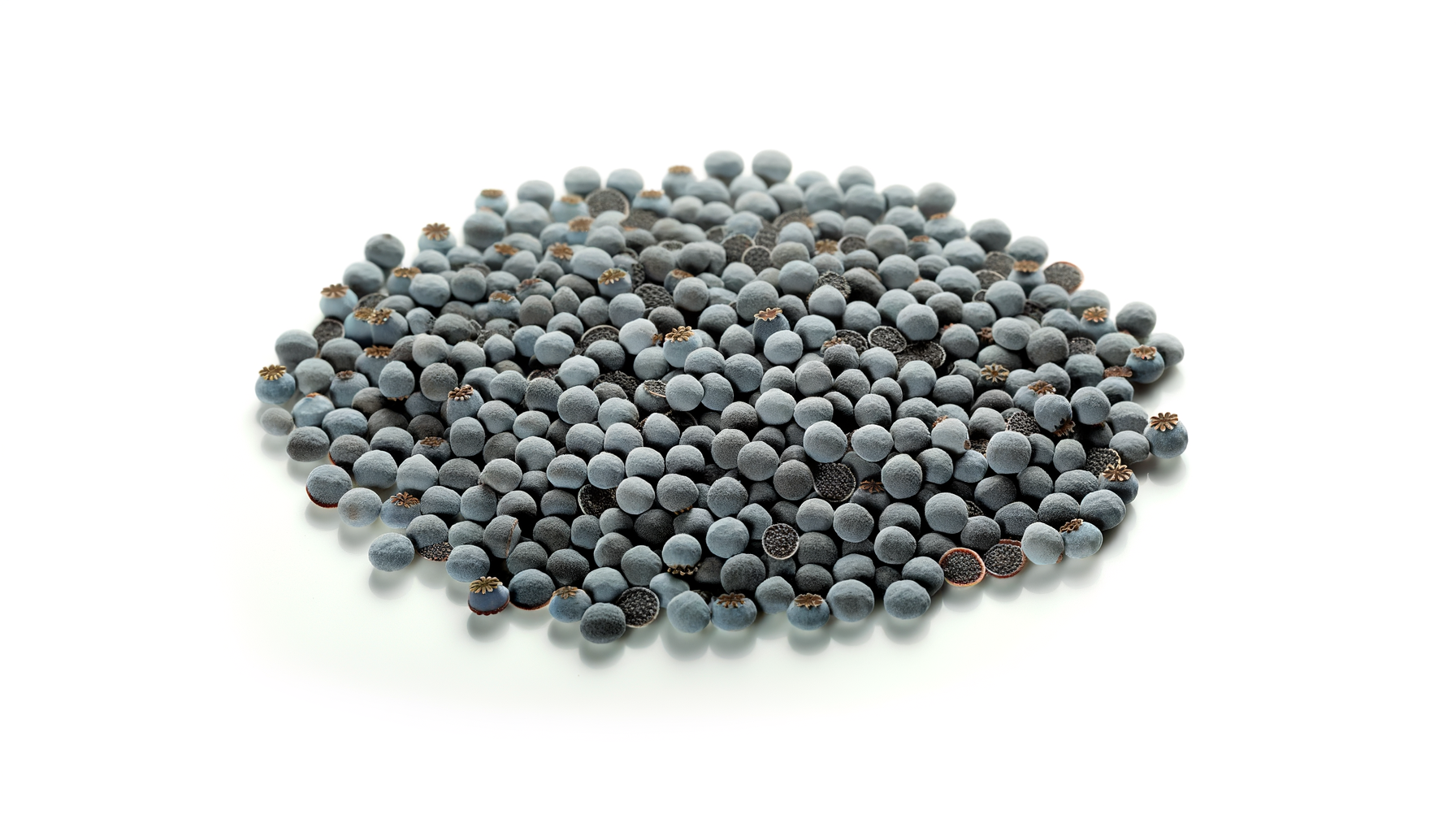
Poppy seed
Papaver somniferum
Sensory Profile
Tastes
Basic flavor profiles
Aromas
Scent characteristics
Stimuli
Sensory sensations
Textures
Physical properties
About Poppy seed
Poppy seeds possess a mild, nutty flavor with subtle earthy undertones. Their unique taste is enhanced when toasted, releasing a richer, more aromatic quality that complements both sweet and savory dishes. Poppy seeds are versatile in the kitchen, commonly used in baking for breads, pastries, and cakes, such as the traditional Eastern European poppy seed roll. They are also sprinkled on salads, incorporated into dressings, or used as a garnish for various dishes, adding both texture and flavor. In Indian cuisine, poppy seeds are ground into pastes for curries and sauces, contributing creaminess and depth. Native to the Mediterranean region, the opium poppy has been cultivated for thousands of years, with evidence of its use dating back to ancient civilizations. Today, poppy seeds are widely produced in countries such as India, Turkey, and the Czech Republic, where they are an integral part of local culinary traditions. Poppy seeds are small, round, and typically blue-gray, though they can also be found in white and black varieties. They are prized not only for their flavor but also for their nutritional benefits, being a good source of healthy fats, fiber, and essential minerals. Their crunchy texture adds a delightful contrast in dishes, making them a popular choice among chefs and home cooks alike.
Associated health effects(37)
- Micronutrient Density
- Alpha-Linolenic Acid Support
- Polyunsaturated Fatty Acid Support
- Antioxidant
- Allergic Reactions
- Polyunsaturated Fatty Acid Provision
- Omega-6 Imbalance Risk
- Nutritional Advantages
- Blood Cholesterol Reduction
- Omega-6 Excess Risk
- Immune Booster
- Mild Opioid Sedation
- Flavor and Culinary Use
- Iron Content Support
- Mineral Content
- Dietary Fiber
- Skin Health
- Monounsaturated Fatty Acid Support
- Bone Health
- Cholesterol Management
- Joint Health
- Protein Content
- Digestive Protection
- Hair Health
- Weight Management
- B Vitamin Nervous System Support
- LDL Cholesterol Reduction
- Opiate Drug Test Interference
- Hepatic Lipid Accumulation
- Opioid Alkaloid Contamination Risk
- Omega-6 Fatty Acid Support
- Muscle Function Support
- Heart Health
- Lipid Metabolism Support
- Digestive Aid
- Anti-inflammatory
- Sedative Activity
Nutrition per 100 g(4)
- Energy: 573 kcal
- Protein: 18.58 g
- Fat: 41.56 g
- Fiber: 19.5 g