
Pork Sensory Map
Pork
Porcus
Sensory Profile
Tastes
Basic flavor profiles
Aromas
Scent characteristics
Stimuli
Sensory sensations
Textures
Physical properties
About Pork
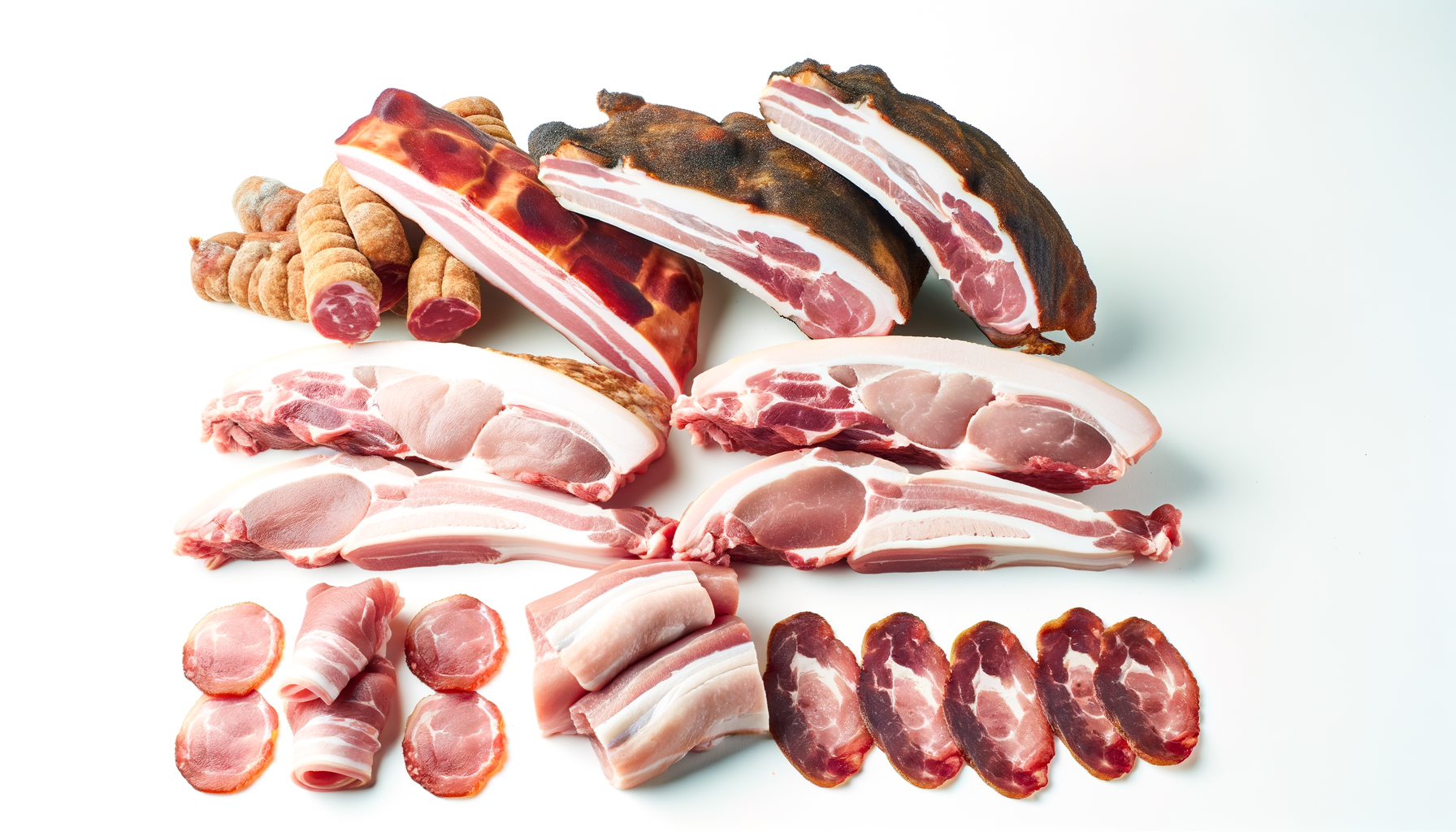
Pork is renowned for its rich, savory flavor, which can range from mild and slightly sweet to robust and hearty, depending on the cut and preparation method. The meat's natural fat content contributes to its juiciness and tenderness, enhancing its overall flavor. When cooked, pork can develop a delightful caramelization, especially when roasted or grilled, imparting a complex depth of flavor. Pork is incredibly versatile in the culinary world, appearing in a myriad of global cuisines. It can be prepared in various forms, including fresh cuts (such as chops, loin, and tenderloin), cured products (like bacon, ham, and salami), and ground meat for sausages. Common cooking methods include roasting, grilling, braising, and frying. Pork pairs well with a wide range of spices and herbs, such as garlic, rosemary, sage, and paprika, making it a staple in both traditional and contemporary dishes. Pork comes from domesticated pigs, which are believed to have been first domesticated around 9,000 years ago in regions of the Near East and China. The Suidae family, to which pigs belong, has a long history of human interaction, leading to the development of various breeds suited for different culinary traditions. Today, pork is one of the most widely consumed meats globally, with significant production in countries like China, the United States, and Germany.
Associated health effects(51)
- Zinc
- Micronutrient Support
- Diet Quality Improvement
- Micronutrient Density
- Heme Iron Source
- Selenium Status Improvement
- Muscle Maintenance
- Dose-Dependent Effects
- Beta-Alanine and Carnosine Support
- Blood Clotting Enhancement
- Processed Meat Dose-Dependent Risk
- Saturated Fat and Cholesterol
- Cardiovascular Risk
- Nutritional Advantages
- Improved Physical Function
- Trichinella Infection Risk
- Sodium Content
- Amino Acid Quality Support
- Immune Booster
- High Sodium Content
- Immune Modulation
- Foodborne Infection Risk
- Amino Acid Support
- Muscle Protein Support
- Foodborne Illness Risk
- Iron Content Support
- High Saturated Fat Content
- Choline Support
- Nutrient-Dense Protein Support
- Phosphorus
- Nitrosamine Exposure
- Muscle Protein Synthesis Enhancement
- Protein Content
- Cysticercosis Risk
- Colorectal Cancer Risk
- Weight Management
- Anti-fatigue and Improved Physical Performance
- B Vitamin Nervous System Support
- Muscle Mass Preservation
- Lean Red Meat Low-Fat Protein Support
- Hepatitis E Infection Risk
- Increased Cancer Risk
- Muscle Performance Enhancement
- Zinc Content Support
- Complete Protein Support
- Heart Health
- Sodium Overload
- Digestive Aid
- High-Quality Protein Provision
- Cognitive Support
- Muscle Recovery Enhancement
Nutrition per 100 g(4)
- Energy: 305 kcal
- Protein: 26 g
- Fat: 21 g
- Fiber: 0 g