
Portulak Sensory Map
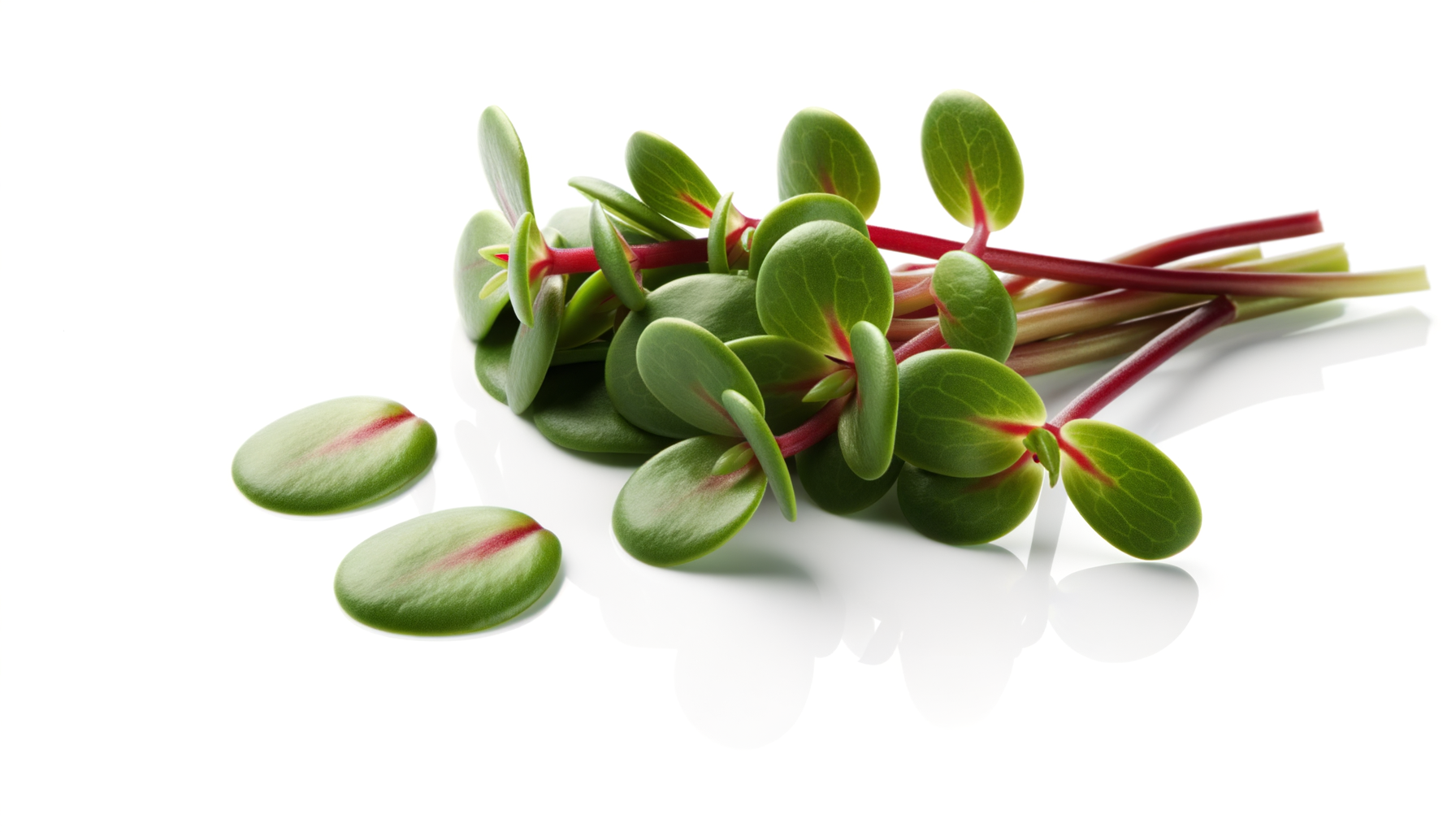
Portulak
Portulaca oleracea
Sensory Profile
Tastes
Basic flavor profiles
Aromas
Scent characteristics
Stimuli
Sensory sensations
Textures
Physical properties
About Portulak
Portulak, commonly known as purslane, offers a unique flavor profile characterized by a mild, slightly tangy taste with a hint of lemon and a subtle earthiness. Its succulent leaves and stems provide a crisp texture, making it a refreshing addition to various dishes. This versatile green can be used both raw and cooked. In salads, it adds a crunchy texture and a burst of flavor, while its leaves can be sautéed or incorporated into soups and stews, where they wilt down similarly to spinach. Portulak pairs well with tomatoes, garlic, and citrus, and is often used in Mediterranean, Middle Eastern, and Asian cuisines. It can also be pickled or blended into pestos for a unique twist. Portulak is believed to have originated in the Middle East and has been cultivated for thousands of years. It is now found in various regions worldwide, thriving in warm climates. Historically, it has been used not only as a culinary herb but also for its medicinal properties. Portulak is easily recognizable by its fleshy, oval-shaped leaves and red-tinged stems. It is a hardy plant that can grow in poor soils and is often considered a weed in many areas. Rich in omega-3 fatty acids, vitamins A and C, and antioxidants, portulak is not only flavorful but
Associated health effects(68)
- Insulin Sensitivity Enhancement
- Micronutrient Density
- Kidney Stress
- Anti-ulcer Activity
- Alpha-Linolenic Acid Support
- Vitamin C Support
- Drug Interactions
- Beta-Carotene-Mediated Vitamin A Support
- Antioxidant
- Immunomodulatory Activity
- Diabetes Management
- Dose-Dependent Effects
- Central Obesity Reduction
- Hepatoprotective and Anti-steatotic Activity
- Liver Enzyme Reduction
- Analgesic Activity
- Blood Pressure Reduction
- Vitamin Content Support
- Folate Source
- Wound Healing Enhancement
- Nephroprotection
- Nutritional Advantages
- Metabolic Syndrome Protection
- Wound Healing
- Antifungal
- Liver Support
- Blood Sugar Support
- Vitamin A Support
- Antidiabetic Activity
- Blood Sugar Regulation
- Immune Modulation
- Polysaccharide Anti-fatigue Activity
- Antipyretic Activity
- Flavor and Culinary Use
- Anti-steatotic Activity
- No Evidence of Toxicity, Heavy Metals, or Contaminants
- Mineral Content
- Hepatoprotection
- Polysaccharide Immune Modulation
- Skin Health
- Interaction with Medications
- Antinociceptive Activity
- Bone Health
- Melatonin Provision
- Cholesterol Management
- Folate Excess Risk
- Digestive Protection
- Gastroprotection
- Hypolipidemic Activity
- Weight Management
- LDL Cholesterol Reduction
- Polysaccharide Cognitive Support
- Antibacterial
- Potassium
- Betalain Antimicrobial Activity
- Triglyceride Reduction
- Betalain Antioxidant Activity
- Muscle Function Support
- Neuroprotection
- Bronchodilation
- Heart Health
- Antiviral
- Magnesium
- Lipid Metabolism Support
- Glutathione Content Support
- Cholesterol Improvement
- Anticancer Potential
- Anti-inflammatory
Nutrition per 100 g(4)
- Energy: 24 kcal
- Protein: 2 g
- Fat: 1 g
- Fiber: 1.6 g