
Potassium Carbonates Sensory Map
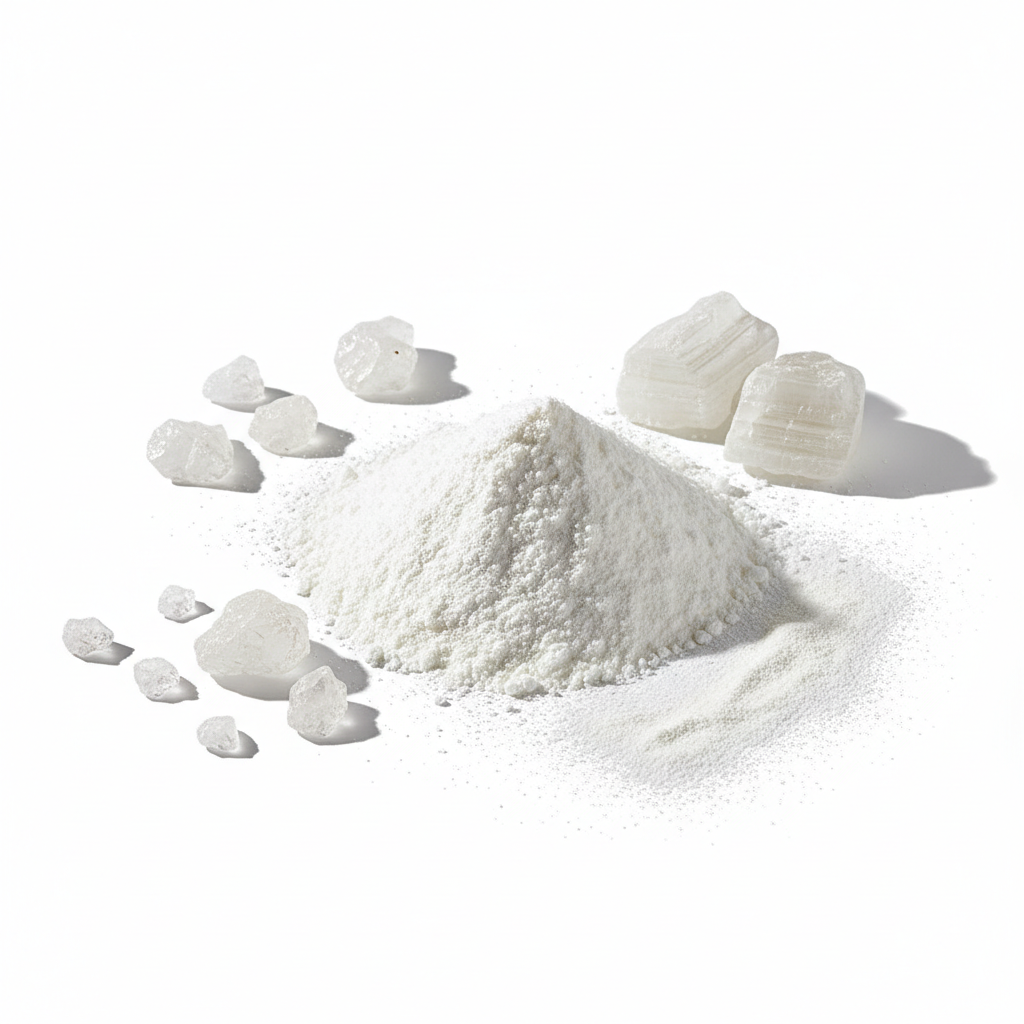
Potassium Carbonates
Kalii carbonas
Sensory Profile
Tastes
Basic flavor profiles
Aromas
Scent characteristics
Stimuli
Sensory sensations
Textures
Physical properties
About Potassium Carbonates
Potassium Carbonates (Kalii carbonas, E501, green label = safe), historically known as pearl ash, present as a white, odorless crystalline powder characterized by a sharp, alkaline, and slightly saline flavor profile that provides a distinctive "soapy" mouthfeel when used in high concentrations. This mineral salt serves as a critical alkalizing agent in the production of traditional Cantonese ramen noodles (Kansui) and German *Lebkuchen*, where it reacts with specific acids to facilitate leavening and, more importantly, interacts with wheat proteins to cross-link gluten, resulting in a springy, firm texture and a characteristic pale yellow hue. Originating from the ancient practice of leaching wood ashes (potash) and subsequently refining the extract, the ingredient remains a cornerstone of East Asian and Central European baking, prized for its ability to promote the Maillard reaction and create a deeply browned, aromatic crust in dense honey-based doughs. Unlike sodium-based leaveners, Potassium Carbonate is uniquely hygroscopic and highly soluble, allowing it to function effectively in low-moisture environments where it breaks down complex starches and modifies protein structures to achieve a refined, silky crumb without the metallic aftertaste associated with baking soda.
Associated health effects(9)
- Eye/skin/airway irritation
- Regulatorily safe at food levels
- Caustic Irritation
- Gastrointestinal Toxicity
- Food Processing Functionality
- Electrolyte Disturbance
- Acid Neutralization
- Neutral: potassium source
- Excess Potassium-Induced Hyperkalemia Risk
Nutrition per 100 g(4)
- Energy: 0 kcal
- Protein: 0 g
- Fat: 0 g
- Fiber: 0 g