
Potassium Iodate Sensory Map
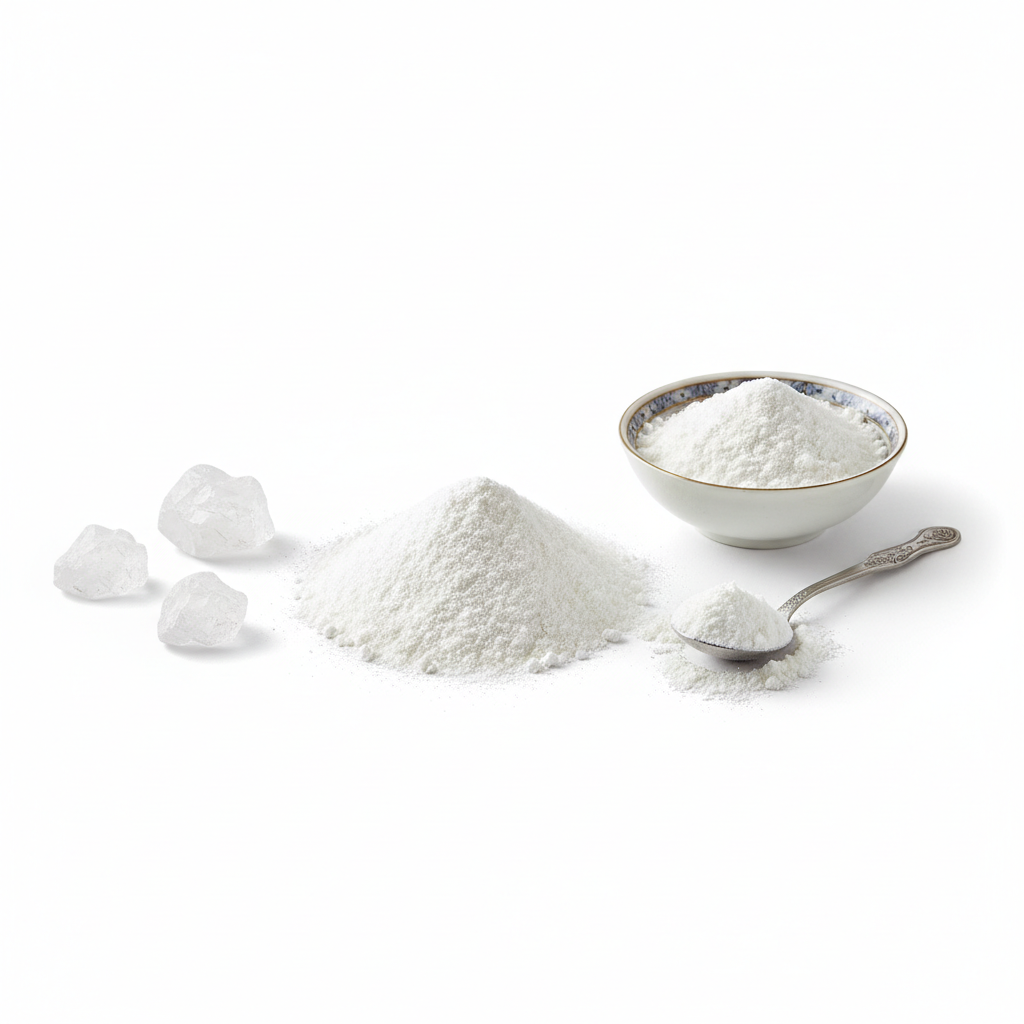
Potassium Iodate
Sensory Profile
Tastes
Basic flavor profiles
Aromas
Scent characteristics
Stimuli
Sensory sensations
Textures
Physical properties
About Potassium Iodate
Potassium Iodate (KIO₃, E917, green label = safe) Potassium iodate is a highly stable, inorganic oxidizing agent that presents as a crystalline white powder, characterized by a neutral aroma and a sharp, saline-metallic flavor profile that remains imperceptible at standard fortification levels. In professional bakery environments, it serves as a potent "fast-acting" dough conditioner, where it facilitates the immediate oxidation of thiol groups in wheat proteins to form disulfide bonds, effectively strengthening the gluten network and increasing gas retention for superior loaf volume. This additive is most critical in high-speed commercial bread production and the crafting of traditional **Enriched Sandwich Loaves** or **Pullman Loaves**, where it ensures a uniform, fine-crumb structure and prevents structural collapse during the proofing stage. While its primary global provenance is rooted in public health initiatives to combat Iodine Deficiency Disorders (IDD) through the fortification of table salt—particularly in regions like Central Asia and Africa—its culinary significance lies in its superior thermal stability compared to potassium iodide, ensuring that iodine content remains intact even after exposure to high-temperature baking or prolonged storage. Unlike slow-acting oxidants like potassium bromate, potassium iodate reacts almost instantly upon hydration, making it the technical benchmark for achieving the resilient elasticity and high-tensile strength required in modern mechanical dough development.
Associated health effects(6)
- Iodine Deficiency Risk
- Thyroid Dysfunction from Excess Iodine Exposure
- Iodism
- Oxidative Toxicity
- Supports Population-Level Thyroid Health
- Prevents Iodine Deficiency
Nutrition per 100 g(4)
- Energy: 0 kcal
- Protein: 0 g
- Fat: 0 g
- Fiber: 0 g