
Potassium Sorbate Sensory Map
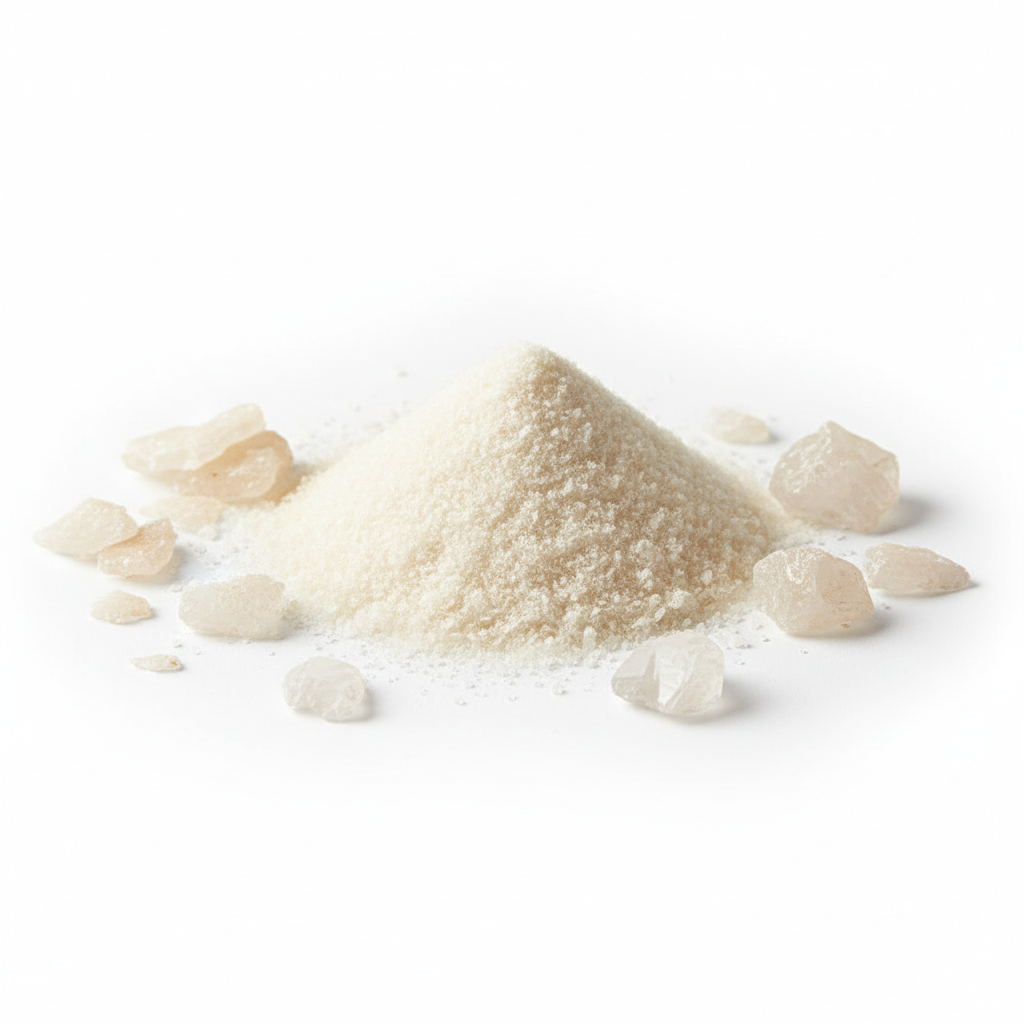
Potassium Sorbate
Sensory Profile
Tastes
Basic flavor profiles
Aromas
Scent characteristics
Stimuli
Sensory sensations
Textures
Physical properties
About Potassium Sorbate
Potassium sorbate, the polyunsaturated fatty acid salt of sorbic acid, functions as a high-efficiency antimicrobial agent that is virtually imperceptible to the palate, possessing a neutral aroma and a clean, slightly saline flavor profile that does not interfere with the delicate organoleptic properties of the base medium. In the professional kitchen, it is indispensable for stabilizing high-moisture confections like **French Macarons** and **Crème Pâtissière**, where it inhibits the proliferation of molds and yeasts without altering the protein structure of egg whites or the viscosity of dairy fats. While modern production involves the neutralization of sorbic acid with potassium hydroxide, the compound’s lineage traces back to the unripe berries of the Rowan tree (*Sorbus aucuparia*), a botanical source historically utilized in Northern European preservation traditions. Unlike chemical preservatives that function through acidification, potassium sorbate is uniquely effective at a near-neutral pH (up to 6.5), allowing chefs to preserve the integrity of low-acid emulsions and fermented beverages, such as **off-dry Rieslings** or **sparkling ciders**, by halting secondary fermentation without the harsh sulfurous notes associated with excessive sulfites. This technical precision ensures that the cellular respiration of spoilage microorganisms is disrupted while the textural nuances of the dish—whether the snap of a glaze or the crumb of a cake—remain chemically unaltered over an extended shelf life.
Associated health effects(9)
- Foodborne Illness Risk Reduction
- General toxicity
- Gut Microbiota Dysbiosis
- Food Spoilage Prevention
- Allergic Reaction Risk
- Reduced food waste
- Inflammatory Biomarker Elevation
- Contact Dermatitis
- Gastrointestinal Irritation
Nutrition per 100 g(4)
- Energy: 1 kcal
- Protein: 0 g
- Fat: 0.1 g
- Fiber: 0 g