
Prawn Sensory Map
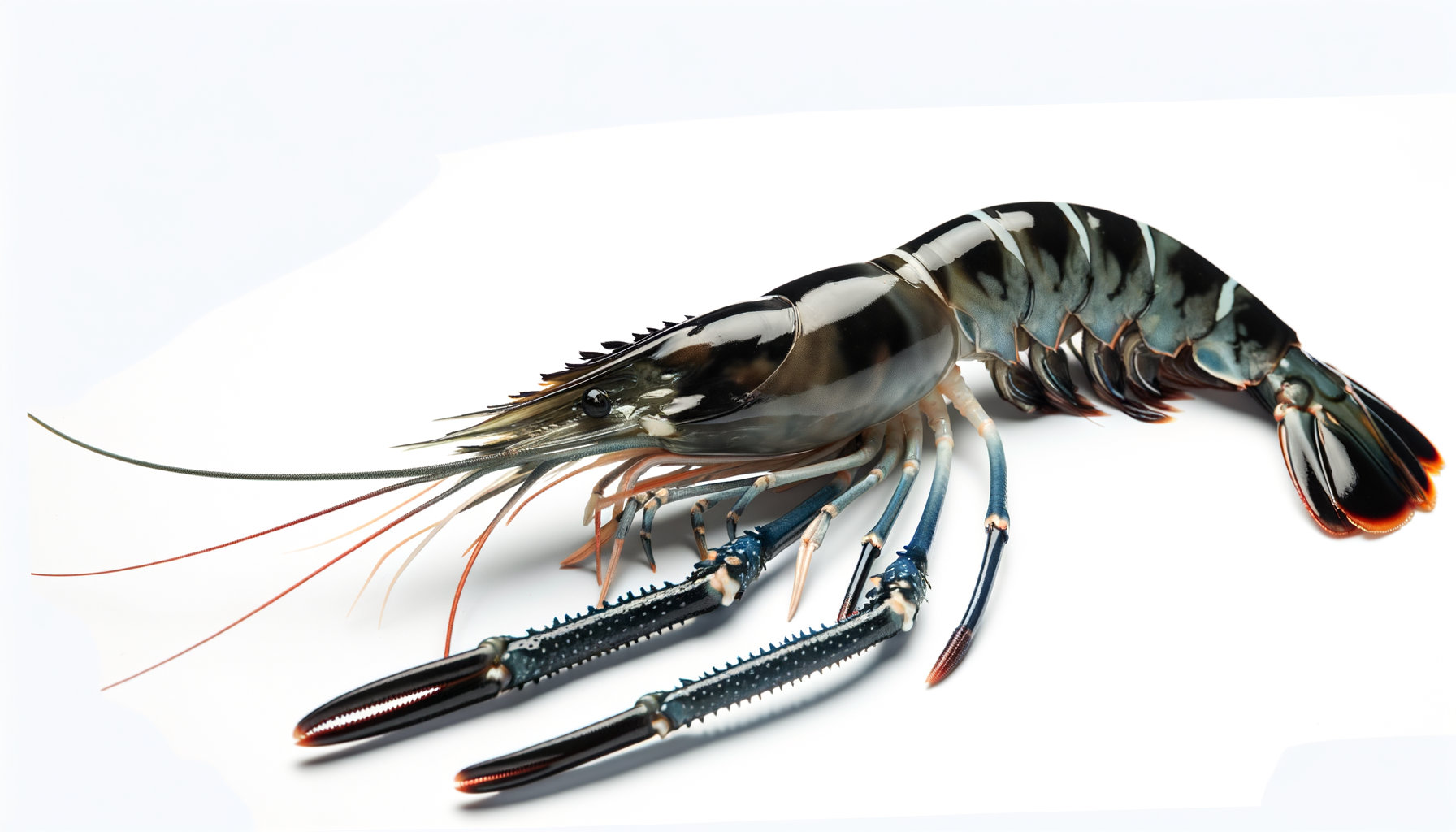
Prawn
Penaeus monodon
Sensory Profile
Tastes
Basic flavor profiles
Aromas
Scent characteristics
Stimuli
Sensory sensations
Textures
Physical properties
About Prawn
Penaeus monodon, commonly known as the black tiger prawn, boasts a sweet, delicate flavor with a slightly briny undertone. Its firm, succulent texture enhances its appeal, making it a favorite in various culinary applications. When cooked, the flesh turns a vibrant pink, showcasing its freshness and quality. Black tiger prawns are incredibly versatile in the kitchen. They can be grilled, sautéed, steamed, or incorporated into soups and stews. Their robust flavor pairs well with bold spices and marinades, making them ideal for Asian dishes such as stir-fries and curries, as well as Mediterranean preparations like garlic butter prawns. They are also commonly used in seafood platters and can be enjoyed raw in sushi and sashimi. Penaeus monodon is native to the warm coastal waters of the Indo-Pacific region, including countries like India, Thailand, and Vietnam. It is widely farmed in aquaculture systems due to its high demand and economic value, contributing significantly to the seafood industry. The black tiger prawn is easily identifiable by its striking black and white stripes along its shell, which can reach lengths of up to 12 inches. This species is known for its rapid growth and adaptability to various environments, making it a popular choice for both wild capture and aquaculture. Its high protein content and low-fat
Associated health effects(63)
- Vitamin E Provision
- Zinc
- Satiety Enhancement
- Chitin Polysaccharide Immune Modulation
- Micronutrient Density
- Selenium Status Improvement
- Shrimp Environmental Contaminant Exposure
- Heavy Metal Exposure
- Muscle Maintenance
- Cardiovascular Protection
- Antioxidant
- Allergic Reactions
- Cardiovascular Health
- Dose-Dependent Effects
- Vitamin E Source
- Blood Pressure Reduction
- Nutritional Advantages
- Cancer-Preventive
- Marine Biotoxin Exposure Risk
- Sodium Content
- Heavy Metal Contamination Risk
- Vitamin E Content Support
- Low Caloric Density
- Astaxanthin Neuroprotection
- Crustacean Allergenicity
- Bacterial Contamination Risk
- Antidiabetic Activity
- Amino Acid Quality Support
- Shrimp Allergenicity
- High Sodium Content
- Muscle Protein Support
- Anti-steatotic Activity
- Foodborne Illness Risk
- Anti-obesity Activity
- Health effect related to no evidence of toxicity, heavy metals, or contaminants
- At-Risk Populations
- Skin Health
- Shrimp Cooking Method Impact
- High Cholesterol Content
- Choline Support
- Nutrient-Dense Protein Support
- Cholesterol Management
- Phosphorus
- Selenium Content Support
- Protein Content
- Niacin
- Omega-3 Fatty Acid Support
- Weight Management
- B Vitamin Nervous System Support
- Shrimp Cholesterol Awareness
- Antibiotic Residue Exposure
- Iodine Provision
- Zinc Content Support
- Neuroprotection
- Complete Protein Support
- Thyroid Homeostasis Support
- Sodium Overload
- Lipid Metabolism Support
- Digestive Aid
- Cholesterol Improvement
- Anticancer Potential
- Anti-inflammatory
- Astaxanthin Antioxidant Activity
Nutrition per 100 g(4)
- Energy: 106 kcal
- Protein: 24 g
- Fat: 1.5 g
- Fiber: 0 g