
Pul Biber Sensory Map
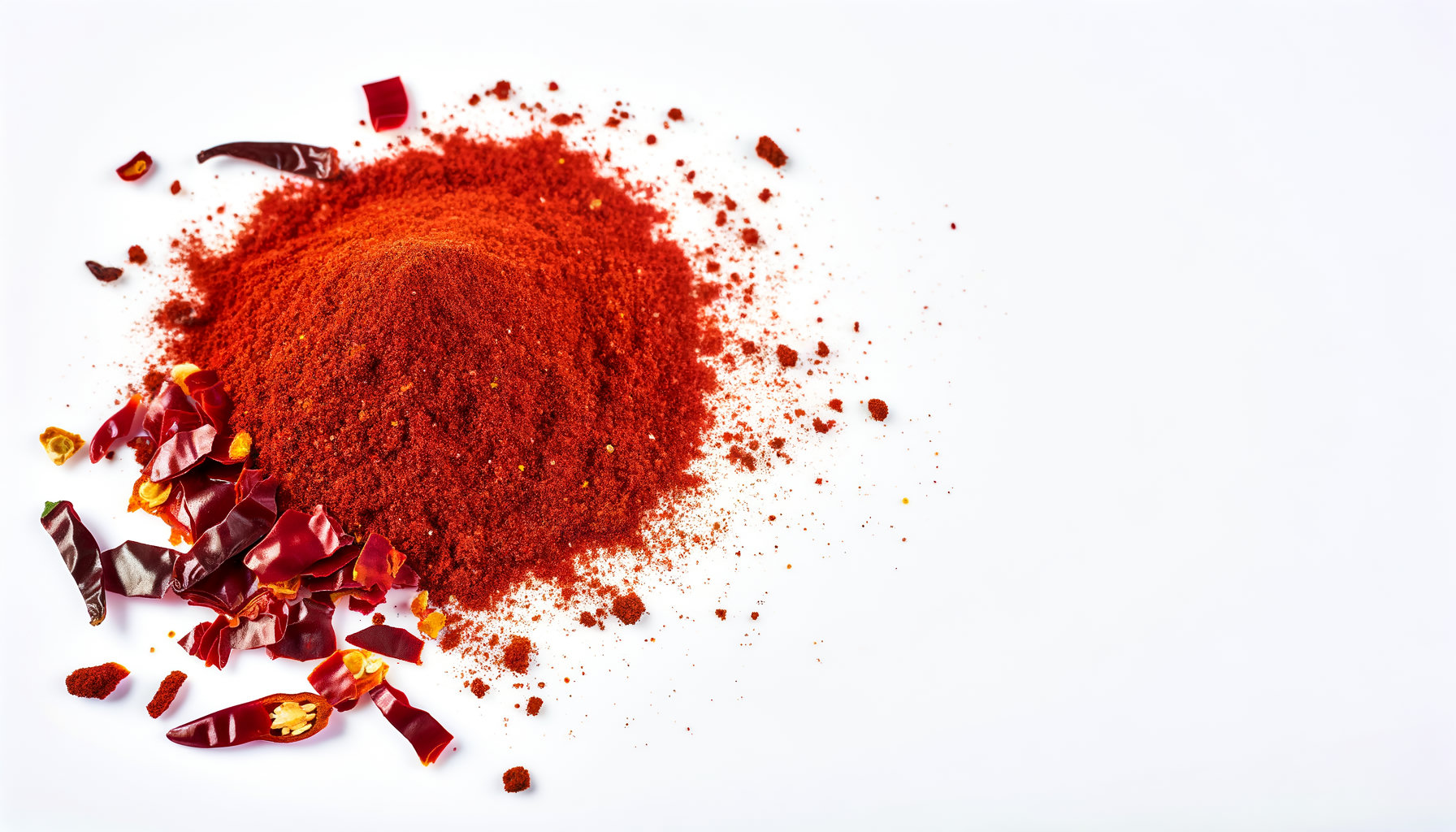
Pul Biber
Capsicum annuum
Sensory Profile
Tastes
Basic flavor profiles
Aromas
Scent characteristics
Stimuli
Sensory sensations
Textures
Physical properties
About Pul Biber
Pul Biber, also known as Aleppo pepper, offers a unique flavor that balances mild heat with a subtle sweetness and a hint of fruitiness. Its heat level is moderate, typically ranging from 10,000 to 23,000 Scoville Heat Units, making it approachable for those who enjoy a gentle kick without overwhelming spiciness. The spice is characterized by its rich, smoky undertones, which enhance the overall depth of dishes. Pul Biber is a versatile spice commonly used in Middle Eastern and Mediterranean cuisines. It is often sprinkled over grilled meats, vegetables, and salads, adding both flavor and color. It can also be incorporated into marinades, sauces, and dips, such as hummus or baba ghanoush. Additionally, it serves as a finishing spice, enhancing dishes like stews and soups with its vibrant flavor. Chefs appreciate its ability to complement rather than overpower other ingredients. Pul Biber originates from the Aleppo region of Syria, where it has been cultivated for centuries. The spice is made from sun-dried, crushed red pepper flakes, typically derived from the Capsicum annuum variety. Its production is deeply rooted in the culinary traditions of the Levant, where it is celebrated for its flavor and versatility.
Associated health effects(20)
- Capsaicin-Induced Appetite Suppression
- Satiety Enhancement
- Potential Additive Hypoglycemia
- Cardiovascular Protection
- Antioxidant
- Blood Pressure Reduction
- Gut Microbiota Modulation via Capsaicin
- Blood Sugar Support
- Capsaicin-Induced Pain Relief
- Digestive Enzyme Stimulation
- Capsaicin-Induced Thermogenesis
- Capsaicin-Induced Gastroprotection
- Platelet Aggregation Modulation
- Gastroprotection
- Weight Management
- Gastric Ulcer Protection
- Capsaicin-Induced Gastrointestinal Irritation
- Digestive Aid
- Anticancer Potential
- Anti-inflammatory
Nutrition per 100 g(4)
- Energy: 213 kcal
- Protein: 12 g
- Fat: 9 g
- Fiber: 20 g