
Pumpkin Sensory Map
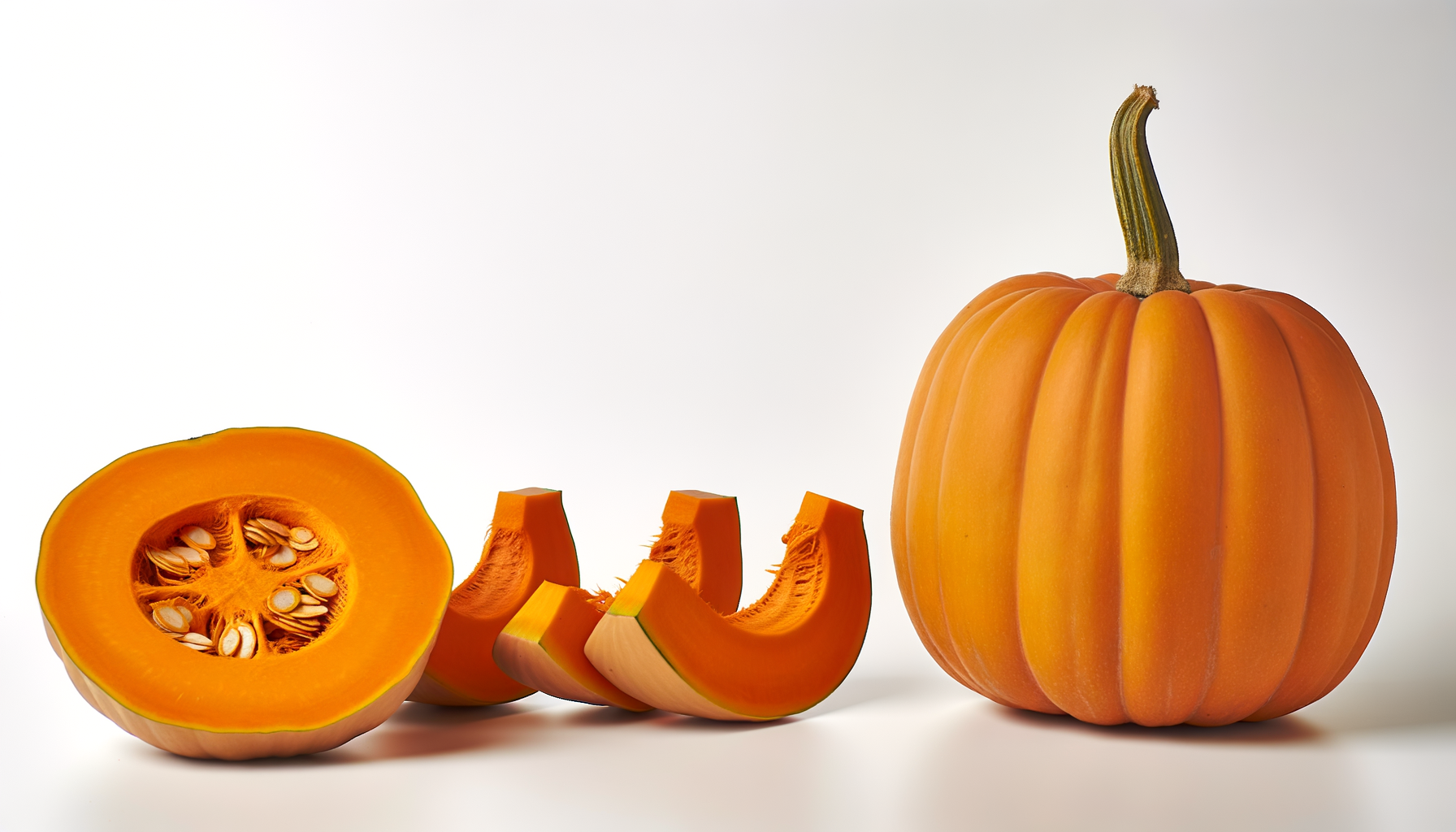
Pumpkin
Cucurbita pepo
Sensory Profile
Tastes
Basic flavor profiles
Aromas
Scent characteristics
Stimuli
Sensory sensations
Textures
Physical properties
About Pumpkin
Pumpkin offers a subtly sweet, earthy flavor with a creamy texture that becomes more pronounced when cooked. Its taste is often described as mildly nutty, with a hint of vegetal sweetness that can be enhanced by spices such as cinnamon, nutmeg, and ginger. Pumpkin is incredibly versatile in the culinary world. It is commonly used in both savory and sweet dishes, including soups, stews, pies, and breads. In addition to traditional autumn recipes, pumpkin can be roasted, pureed, or incorporated into sauces and risottos. The seeds, known as pepitas, are also edible and can be toasted for a crunchy snack or garnish. Pumpkin is believed to have originated in Central America, with evidence of its cultivation dating back over 7,000 years. It is a member of the Cucurbitaceae family, which includes other squashes and gourds. Today, pumpkins are widely grown in temperate regions around the world, particularly in North America, where they are a staple of fall harvest festivals. Pumpkins are characterized by their vibrant orange skin, although they can also be found in shades of green, white, and yellow. They have a thick, ribbed exterior and a hollow interior filled with seeds and fibrous pulp. Nutritionally, pumpkins are rich in vitamins A and C, fiber, and
Associated health effects(56)
- Satiety Enhancement
- Beta-Carotene Source
- Micronutrient Density
- Intestinal Barrier Integrity Enhancement
- Beta-Carotene-Mediated Vitamin A Support
- Cardiovascular Protection
- Antioxidant
- Allergic Reactions
- Cardiovascular Health
- Vitamin E Source
- Satiation Enhancement
- BPH Symptom Relief
- Sleep Quality Enhancement
- Lutein and Zeaxanthin Retinal Accumulation
- Blood Pressure Reduction
- Nutritional Advantages
- Wound Healing
- Cancer-Preventive
- Blood Cholesterol Reduction
- Prostate and Bladder Health
- Blood Sugar Support
- Satiety Modulation
- Antidiabetic Activity
- Blood Sugar Regulation
- Carotenemia
- Immune Booster
- Immune Modulation
- Carotenoid Source
- Polyphenol-Mediated Antioxidant Activity
- Vision Protection
- Anti-obesity Activity
- No Evidence of Toxicity, Heavy Metals, or Contaminants
- Mineral Content
- Polysaccharide Immune Modulation
- Dietary Fiber
- Skin Health
- Prebiotic Fiber-Mediated Gut Microbiota Improvement
- Bone Health
- Cholesterol Management
- Carotenoid Eye Protection
- Protein Content
- Pumpkin Seed Allergy
- Weight Management
- HDL Cholesterol
- LDL Cholesterol Reduction
- Trace Mineral Content Support
- Potassium
- Fiber Content
- Heart Health
- Magnesium
- Eye Health
- Digestive Aid
- Vitamin A Source
- Digestive Health
- Anticancer Potential
- Anti-inflammatory
Nutrition per 100 g(4)
- Energy: 26 kcal
- Protein: 1 g
- Fat: 0.1 g
- Fiber: 0.5 g