
Pumpkin Seeds Sensory Map
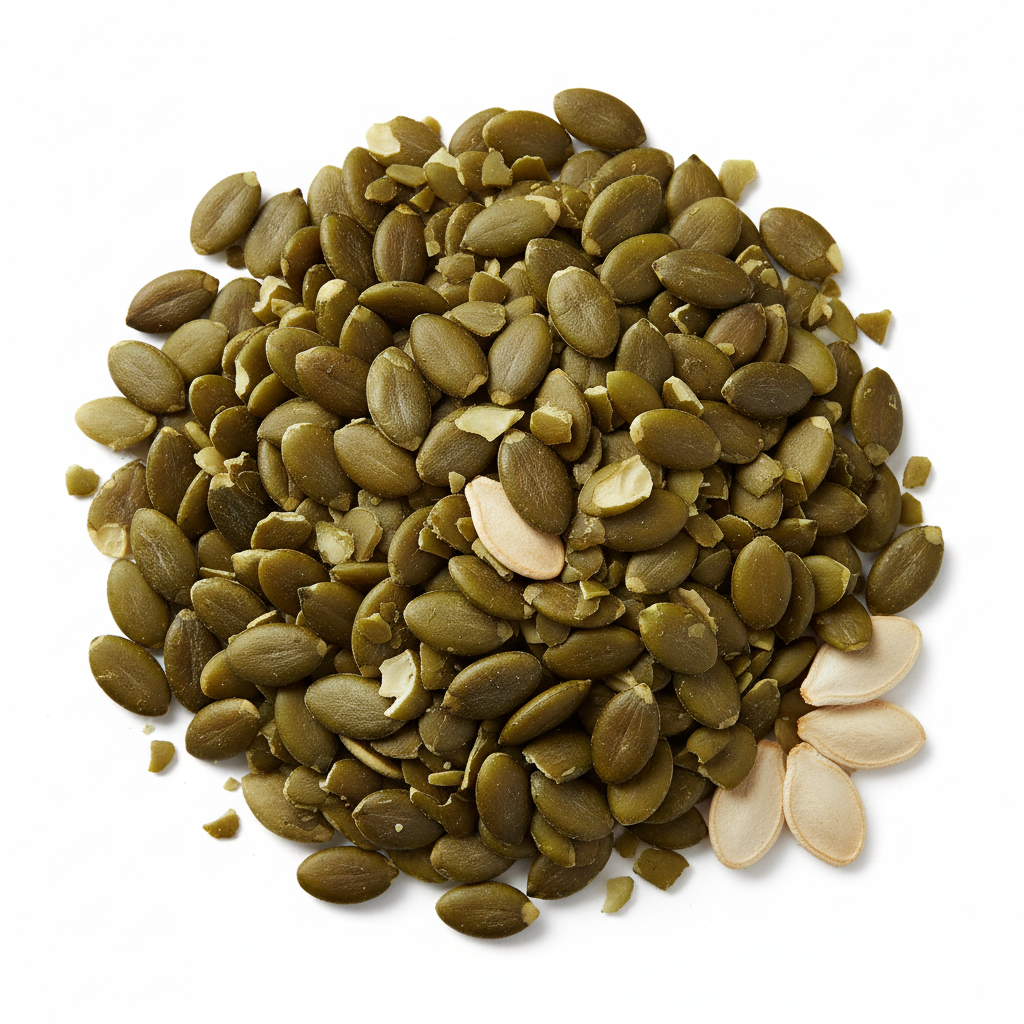
Pumpkin Seeds
Cucurbita pepo
Sensory Profile
Tastes
Basic flavor profiles
Aromas
Scent characteristics
Stimuli
Sensory sensations
Textures
Physical properties
About Pumpkin Seeds
Pumpkin Seeds (Cucurbita pepo), particularly the hull-less Styrian variety, offer a complex sensory profile characterized by deep, toasted notes of toasted brioche and dark cocoa, underpinned by a vegetal, grassy finish and a dense, buttery snap. In the culinary landscape, they are indispensable to the Mexican Pipián Verde, where their high globulin protein content and natural emulsifiers provide a luxurious, velvety body to the sauce without the need for heavy starches. When subjected to the Maillard reaction through dry-roasting, the seeds release volatile pyrazines that enhance the savory depth of Central European salads or the traditional Austrian *Kürbiskernöl* (pumpkin seed oil), a viscous, dichromatic oil prized for its intense nutty aroma. Originating in Mesoamerica and later refined through centuries of cultivation in the Styrian region of Austria, these seeds are traditionally harvested from mature gourds, washed, and kiln-dried to stabilize their high polyunsaturated fatty acid content. What distinguishes the pumpkin seed technically is its high concentration of L-tryptophan and zinc, alongside a unique cellular structure that allows it to maintain a crisp parenchyma even when incorporated into high-moisture doughs or fermented into seed-based misos.
Associated health effects(12)
- Antioxidant
- BPH Symptom Relief
- Blood Sugar Regulation
- Dietary Mineral Content
- Digestive Discomfort
- Dietary Fiber
- Cholesterol Absorption Inhibition
- Excess Calorie Intake
- Blood Lipid Profile Improvement
- Excess Potassium-Induced Hyperkalemia Risk
- High-Quality Protein Provision
- Anti-inflammatory
Nutrition per 100 g(4)
- Energy: 574 kcal
- Protein: 30.23 g
- Fat: 49.05 g
- Fiber: 4 g