
Quince Sensory Map
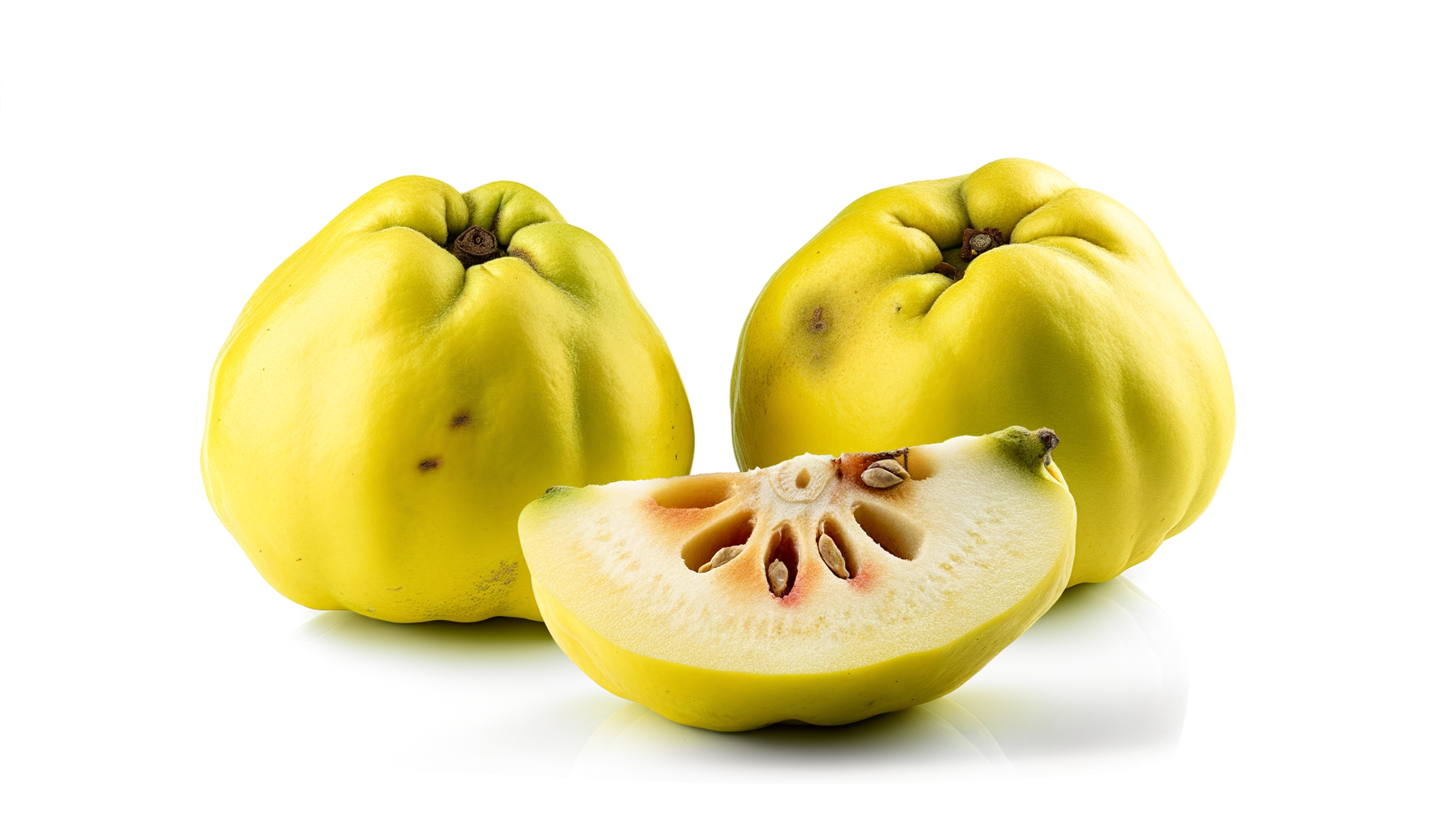
Quince
Cydonia oblonga
Sensory Profile
Tastes
Basic flavor profiles
Aromas
Scent characteristics
Stimuli
Sensory sensations
Textures
Physical properties
About Quince
Quince is a unique fruit spice with a complex flavor profile that combines tartness with a subtle sweetness. When raw, it is hard and astringent, offering a floral and citrus-like aroma. Upon cooking, quince transforms, developing a rich, honeyed sweetness and a fragrant, aromatic quality that enhances its culinary versatility. Quince is often used in both sweet and savory dishes. It is commonly made into jams, jellies, and preserves due to its high pectin content, which aids in thickening. In savory applications, quince can be roasted, poached, or stewed, pairing well with meats such as lamb and poultry. It is also a popular ingredient in Middle Eastern cuisine, often featured in tagines and rice dishes. Additionally, quince can be used in baking, adding depth to pies and tarts. Quince is believed to have originated in the region of the Caucasus, particularly in areas of modern-day Turkey and Iran. It has been cultivated since ancient times, with historical references dating back to the Greeks and Romans, who valued it for its flavor and medicinal properties. Quince is easily recognized by its golden-yellow skin and pear-like shape. Unlike most fruits, it is typically inedible when raw due to its hard texture and astringency. However, its culinary potential is unlocked through cooking, which soft
Associated health effects(53)
- Digestive Mucosal Protection
- Safety and Toxicity
- Micronutrient Density
- Vitamin C Content Support
- Body Weight
- Anti-ulcer Activity
- Colonic Transit Enhancement
- Antiseptic Skin Protection
- Cardiovascular Protection
- Antioxidant
- Allergic Reactions
- Cardiovascular Health
- Dose-Dependent Effects
- Short-Chain Fatty Acid Production
- Blood Pressure Reduction
- Wound Healing
- Blood Sugar Support
- Hepatoprotective and Hypolipidemic Activity
- Cyanide Toxicity from Quince Seeds
- Antidiabetic Activity
- Immune Booster
- Immune Modulation
- Polyphenol-Mediated Antioxidant Activity
- Digestive Irritation
- Cough Reduction
- No Evidence of Toxicity, Heavy Metals, or Contaminants
- Mineral Content
- Digestive Discomfort
- Hepatoprotection
- Dietary Fiber
- Interaction with Medications
- Antiallergic Activity
- Prebiotic Fiber-Mediated Gut Microbiota Improvement
- Nausea Relief
- Prebiotic Support
- Cholesterol Management
- Vitamin C Provision
- Antiscorbutic Activity
- Antidiarrheal Activity
- Digestive Protection
- Gastroprotection
- Weight Management
- Anti-fatigue and Improved Physical Performance
- LDL Cholesterol Reduction
- Antibacterial
- Fiber Content
- Gastric Ulcer Protection
- Lipid Metabolism Support
- Digestive Aid
- Cholesterol Improvement
- Digestive Health
- Anticancer Potential
- Anti-inflammatory
Nutrition per 100 g(4)
- Energy: 60 kcal
- Protein: 0.6 g
- Fat: 0.1 g
- Fiber: 1.9 g