
Raisin Sensory Map
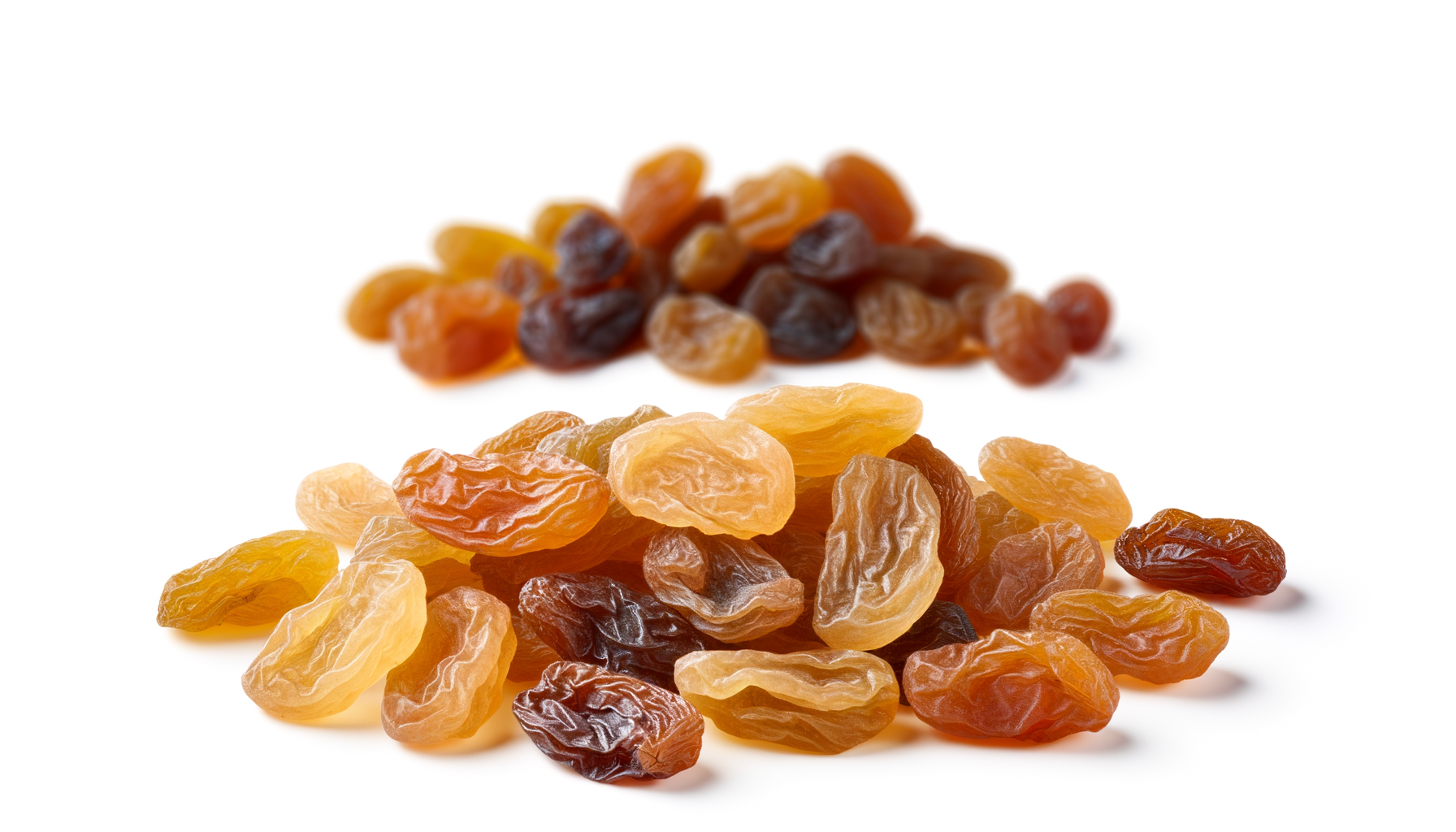
Raisin
Vitis vinifera
Sensory Profile
Tastes
Basic flavor profiles
Aromas
Scent characteristics
Stimuli
Sensory sensations
Textures
Physical properties
About Raisin
Raisins are dried grapes that offer a sweet, concentrated flavor with hints of caramel and honey. Their natural sugars provide a rich, syrupy sweetness, while their chewy texture adds a pleasing contrast in various dishes. Depending on the grape variety, raisins can also exhibit subtle notes of tartness, particularly in darker varieties. Raisins are incredibly versatile in the culinary world. They are commonly used in baking, adding sweetness and moisture to breads, muffins, and cookies. In savory dishes, they complement rich flavors in pilafs, tagines, and salads, providing a delightful contrast to spices and meats. Raisins are also a popular addition to trail mixes, granola bars, and breakfast cereals, as well as a key ingredient in traditional dishes like rice pudding and fruitcakes. Raisins have a long history, believed to have originated in the Middle East over 6,000 years ago. The cultivation of the grapevine (Vitis vinifera) spread throughout the Mediterranean and eventually to other parts of the world, including California, which is now one of the largest producers of raisins. The drying process not only preserves the fruit but also intensifies its flavor, making raisins a staple in many cultures. Raisins are characterized by their wrinkled appearance, which varies in color from golden to dark brown, depending on
Associated health effects(50)
- Blood Pressure Support
- Blood Sugar Spikes
- Micronutrient Support
- Diet Quality Improvement
- Colonic Transit Enhancement
- Colonic Cancer Risk Reduction
- Prebiotic Fructooligosaccharide Support
- Constipation Relief
- Antioxidant
- Allergic Reactions
- Cardiovascular Health
- Dose-Dependent Effects
- Short-Chain Fatty Acid Production
- Blood Pressure Reduction
- Cancer-Preventive
- Blood Cholesterol Reduction
- Blood Sugar Support
- Blood Sugar Regulation
- Polyphenol-Mediated Antioxidant Activity
- Iron Content Support
- No Evidence of Toxicity, Heavy Metals, or Contaminants
- Mineral Content
- Dietary Fiber
- Cholesterol Absorption Inhibition
- Oral Antibacterial Activity
- Obesity and Weight Gain
- Prebiotic Fiber-Mediated Gut Microbiota Improvement
- Bone Health
- Caloric Excess
- Prebiotic Support
- Cholesterol Management
- Anemia Prevention
- Dental Caries Risk
- Boron-Linked Bone Density Support
- Plasma Antioxidant Capacity Increase
- Weight Management
- Glycemic Index Support
- LDL Cholesterol Reduction
- Satiety and Diet Quality Improvement
- Potassium
- Fiber Content
- Tooth Decay
- Weight Gain
- Heart Health
- Tartaric Acid Gut Modulation
- Magnesium
- Digestive Aid
- Digestive Health
- Anti-inflammatory
- Cognitive Support
Nutrition per 100 g(4)
- Energy: 299 kcal
- Protein: 3.1 g
- Fat: 0.6 g
- Fiber: 3.7 g