
Rapeseed Oil Sensory Map
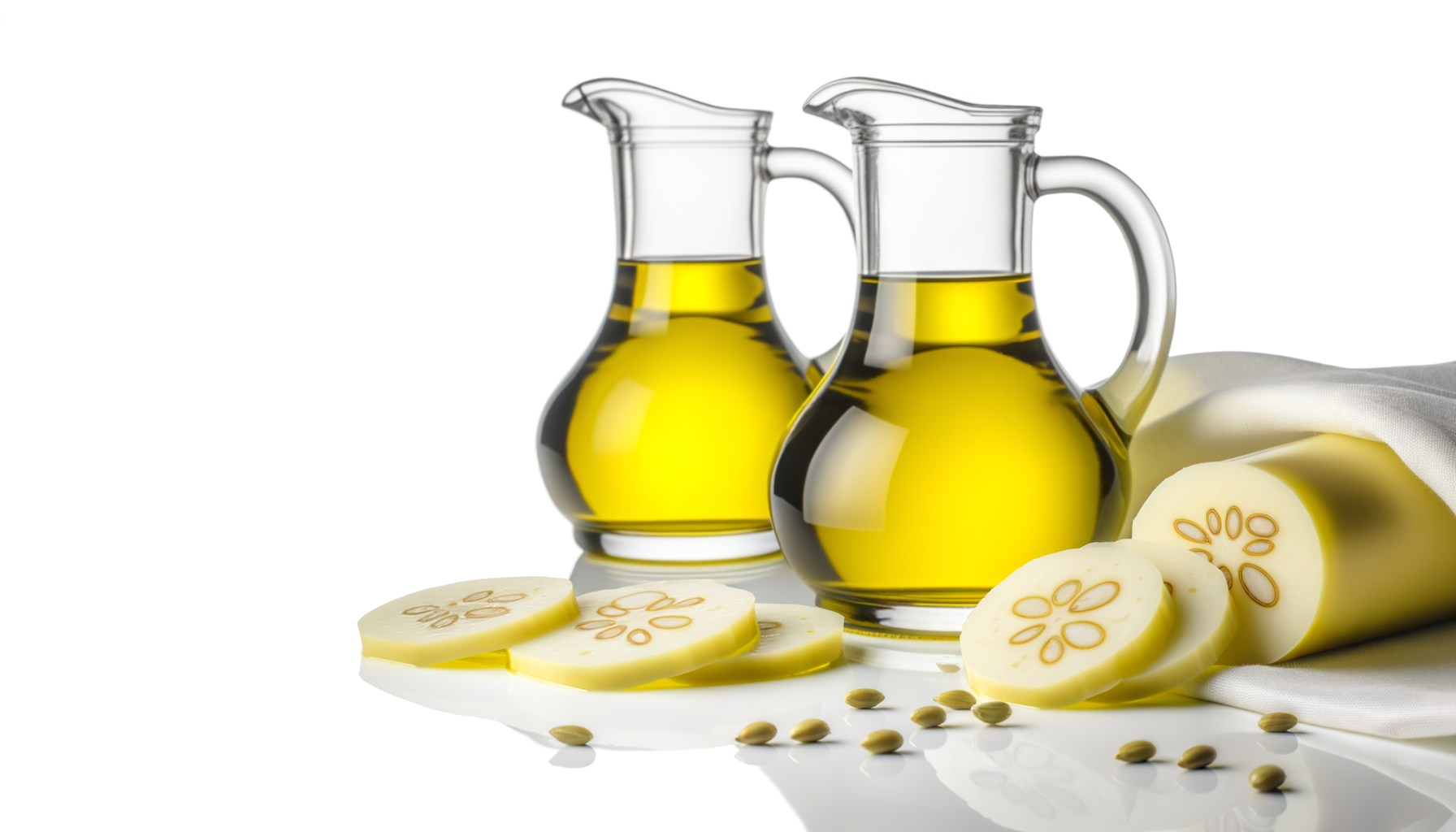
Rapeseed Oil
Brassica napus
Sensory Profile
Tastes
Basic flavor profiles
Aromas
Scent characteristics
Stimuli
Sensory sensations
Textures
Physical properties
About Rapeseed Oil
Rapeseed oil, often referred to as canola oil when derived from specific low-erucic acid varieties, boasts a mild, neutral flavor with a slight nuttiness. This subtle taste makes it an excellent choice for a wide range of culinary applications, allowing other ingredients to shine without overpowering them. Rapeseed oil is versatile and widely used in cooking, frying, baking, and salad dressings. Its high smoke point (approximately 400°F or 204°C) makes it ideal for high-heat cooking methods such as sautéing and deep-frying. Additionally, it can be used in marinades, sauces, and as a base for emulsions due to its smooth texture and ability to blend well with other flavors. Rapeseed oil is derived from the seeds of the Brassica napus plant, which is native to Europe and Asia. Historically cultivated for its oil-rich seeds since ancient times, rapeseed has been a staple in agricultural practices. The modern canola oil, developed in Canada in the 1970s, was bred to have lower levels of erucic acid, making it safer and more palatable for consumption. Rapeseed oil is notable for its favorable fatty acid profile, being low in saturated fats and high in monounsaturated fats, particularly oleic acid, as well
Associated health effects(41)
- Safety and Toxicity
- Erucic Acid Exposure
- Caloric Density
- Heated Oil Oxidative Stress
- Alpha-Linolenic Acid Support
- Adulteration and Oxidation Risk
- Polyunsaturated Fatty Acid Support
- High Smoke Point Culinary Stability
- Antioxidant
- Allergic Reactions
- Cardiovascular Health
- Dose-Dependent Effects
- Vitamin E Source
- Omega-6 Imbalance Risk
- Liver Enzyme Reduction
- Blood Pressure Reduction
- Nutritional Advantages
- Cancer-Preventive
- Refining and micronutrient loss
- Vitamin K Source
- Antidiabetic Activity
- Phytosterol-Mediated LDL Reduction
- Atherosclerosis Prevention
- Cardioprotective Activity
- Foodborne Illness Risk
- Anti-obesity Activity
- No Evidence of Toxicity, Heavy Metals, or Contaminants
- Monounsaturated Fatty Acid Support
- Bone Health
- Cholesterol Management
- Weight Management
- LDL Cholesterol Reduction
- Micronutrient Content Support
- Triglyceride Reduction
- Omega-6 Fatty Acid Support
- Neuroprotection
- Heart Health
- Eye Health
- Lipid Metabolism Support
- Insulin Sensitivity Support
- Anti-inflammatory
Nutrition per 100 g(4)
- Energy: 884 kcal
- Protein: 0 g
- Fat: 100 g
- Fiber: 0 g