
Rau Ram Sensory Map
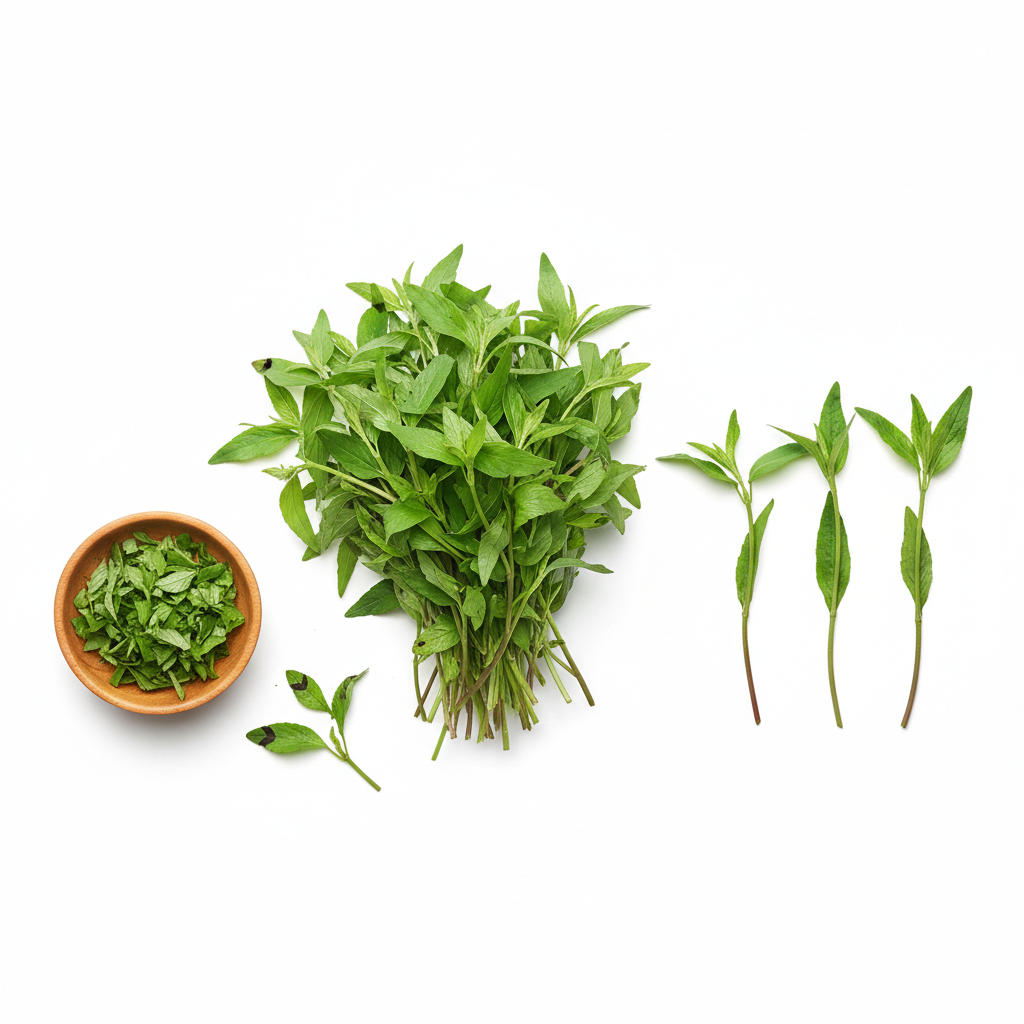
Rau Ram
Persicaria odorata
Sensory Profile
Tastes
Basic flavor profiles
Aromas
Scent characteristics
Stimuli
Sensory sensations
Textures
Physical properties
About Rau Ram
Rau Ram (Persicaria odorata), commonly known as Vietnamese coriander, is a perennial herb distinguished by its lance-shaped, emerald leaves often marked with a dark, crescent-shaped basal blotch. Its sensory profile is defined by a complex, pungent bouquet of bright citrus and coriander-like notes, underpinned by a sharp, peppery finish and a lingering, slightly numbing heat on the palate. In traditional Southeast Asian cuisine, particularly in Vietnam and Cambodia, it is the essential accompaniment to *Hột vịt lộn* (balut) and *Gỏi gà* (shredded chicken salad); its high concentration of aldehydes—specifically decanal and dodecanal—cuts through the rich, gamey fats of the duck embryo and the fibrous proteins of the chicken, acting as a digestive stimulant and a bright aromatic counterpoint. Unlike true cilantro, Rau Ram possesses a robust, slightly waxy texture that allows it to withstand the residual heat of soups like *Bún thang* without immediately wilting or losing its volatile oils. The herb is chemically unique for its high content of alpha-humulene and beta-caryophyllene, sesquiterpenes that provide its characteristic musky, resinous undertones, making it an irreplaceable component in the flavor architecture of the Mekong Delta.
Associated health effects(10)
- Antioxidant
- Cell Toxicity
- Genotoxicity
- Culinary Herb Micronutrient Contribution
- Gastrointestinal Discomfort
- Culinary Herb Polyphenol Contribution
- Digestive Aid
- Anti-inflammatory
- Reproductive Warnings
- Carminative
Nutrition per 100 g(4)
- Energy: 24 kcal
- Protein: 2 g
- Fat: 0.6 g
- Fiber: 2 g