
Raw Sugar Sensory Map
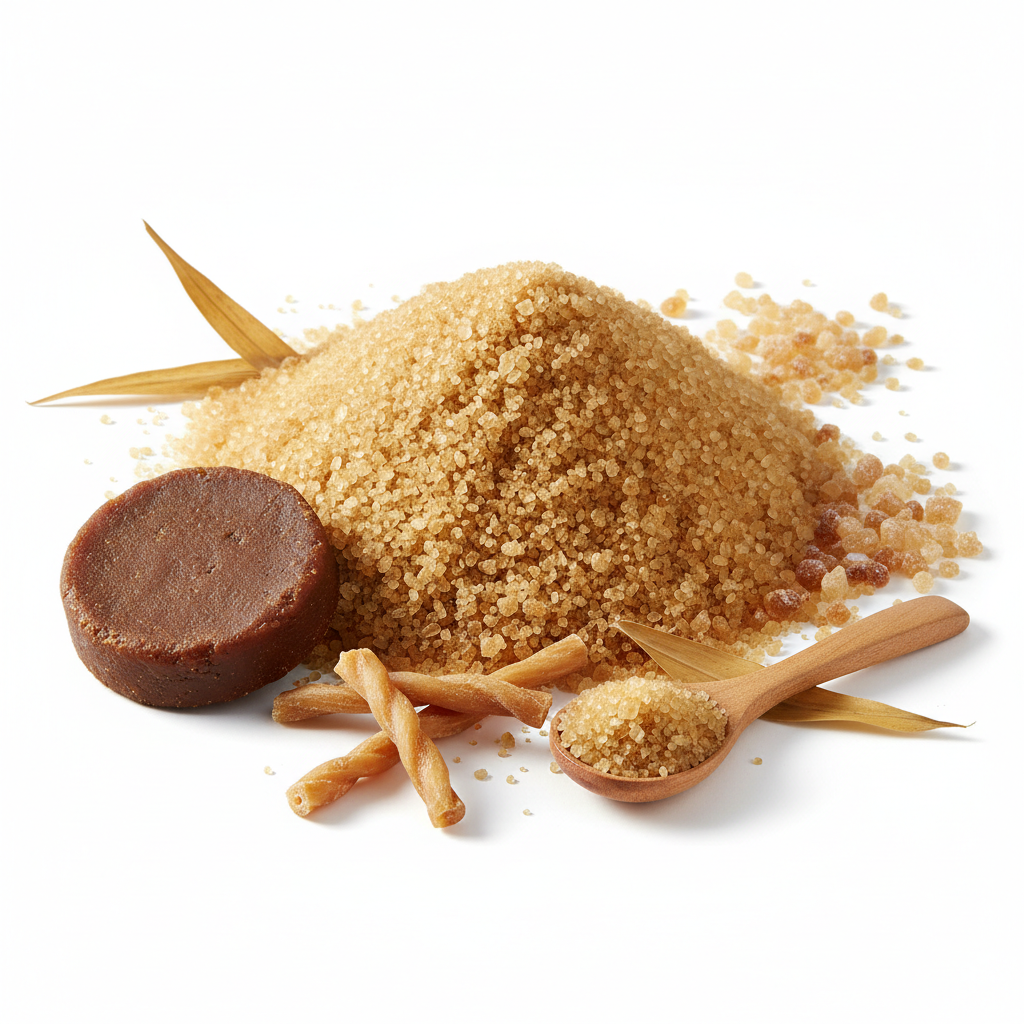
Raw Sugar
Saccharum crudum
Sensory Profile
Tastes
Basic flavor profiles
Aromas
Scent characteristics
Stimuli
Sensory sensations
Textures
Physical properties
About Raw Sugar
Raw Sugar (Saccharum crudum) is a minimally processed crystalline sweetener characterized by its high residual molasses content, offering a complex sensory profile of toasted marshmallow, deep butterscotch, and a faint, earthy salinity. Unlike its highly refined counterparts, this sugar retains a moist, sandy texture and a robust aroma reminiscent of sun-dried hay and warm spice, which stems from the presence of organic non-sugar solids trapped within the golden-brown crystals. In the professional kitchen, it is indispensable for crafting a traditional *Crème Brûlée*, where its larger crystal size and mineral impurities facilitate a superior Maillard reaction, resulting in a shatteringly crisp, bittersweet caramel crust that provides a structural and flavor foil to the silky custard. It is equally vital in the production of authentic *Sticky Toffee Pudding*, where its hygroscopic nature ensures a dense, moist crumb while its acidity reacts with leavening agents to produce a tender, aerated lift. Historically rooted in the tropical climates of the Caribbean and Southeast Asia, raw sugar is traditionally produced through the artisanal method of crushing sugar cane to extract juice, which is then clarified with lime and slowly simmered in open-air kettles until crystallization occurs. This low-heat evaporation process preserves the natural polyphenols and minerals—such as potassium and magnesium—that are stripped away during centrifugal refining, giving the sugar a unique chemical buffering capacity that stabilizes egg-white foams and prevents protein over-coagulation in delicate sauces. The distinguishing feature of **Saccharum crudum** lies in its "turbinado" or "muscovado" variations, where the degree of centrifugation dictates the final moisture content and flavor intensity; the higher molasses concentration acts as a natural humectant, extending the shelf life of baked goods and providing a sophisticated depth of flavor that refined sugars cannot replicate.
Associated health effects(13)
- Blood Sugar Spikes
- Cardiovascular Disease Risk
- Drug Interactions
- Fatty Liver
- Potential Anti-inflammatory Activity via Trace Polyphenols
- Antioxidant Activity via Unrefined Sugar Polyphenols
- High Sugar Content
- At-Risk Populations
- Added Sugar Glycemic Impact
- Caloric Excess
- Dental Caries Risk
- Culinary Properties
- Cardiometabolic Syndrome Protection
Nutrition per 100 g(4)
- Energy: 399 kcal
- Protein: 0 g
- Fat: 0.1 g
- Fiber: 0 g