
Reconstituted Skimmed Milk Sensory Map
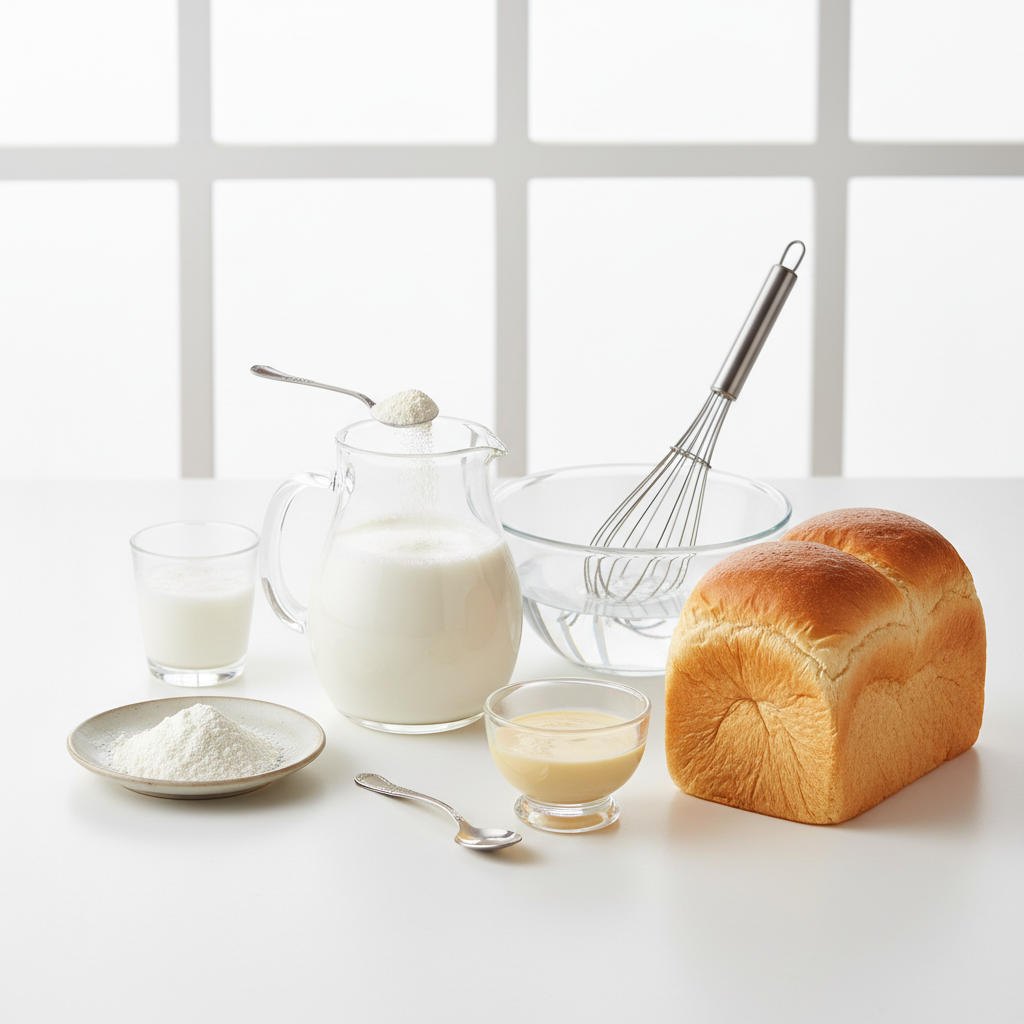
Reconstituted Skimmed Milk
Lacte vaccinum
Sensory Profile
Tastes
Basic flavor profiles
Aromas
Scent characteristics
Stimuli
Sensory sensations
Textures
Physical properties
About Reconstituted Skimmed Milk
Reconstituted skimmed milk is characterized by a clean, lean lactic sweetness and a subtle toasted-sugar aroma, offering a light body that lacks the mouth-coating viscosity of whole milk while providing a crisp, neutral canvas for delicate flavors. In professional pastry, it is an essential component for achieving the precise crumb structure of a classic **Crème Anglaise** or a **Japanese Milk Bread (Shokupan)**; the absence of butterfat allows the milk proteins to hydrate flour more efficiently, fostering a resilient gluten network and facilitating a superior Maillard reaction for a thin, golden crust. Historically rooted in the mid-20th-century industrialization of dairy, this ingredient emerged from the spray-drying process—where liquid skim milk is atomized in a hot chamber to create a shelf-stable powder—becoming a staple in post-war European and American baking for its consistency and ease of transport. What distinguishes this ingredient technically is its high concentration of casein and whey proteins relative to fat, which acts as a powerful emulsifier and structural stabilizer that enhances the aeration of foams without the risk of fat-induced collapse. Unlike fresh dairy, the reconstitution process allows chefs to manipulate the solids-to-water ratio, providing a controlled method to intensify protein content and achieve specific enzymatic reactions during fermentation that fresh milk cannot consistently replicate.
Associated health effects(11)
- Calcium Content Support
- B Vitamin Enrichment
- Digestive Tolerance
- Drug Absorption Interference
- Micronutrient Contribution
- Lactose Intolerance Symptom Induction
- Excessive Protein Load Risk
- Excess Phosphorus-Induced Complication Risk
- Dairy Protein Allergy Reaction
- Excess Potassium-Induced Hyperkalemia Risk
- Complete Protein Support
Nutrition per 100 g(4)
- Energy: 150 kcal
- Protein: 35 g
- Fat: 0.5 g
- Fiber: 0 g