
Red Apple Sensory Map
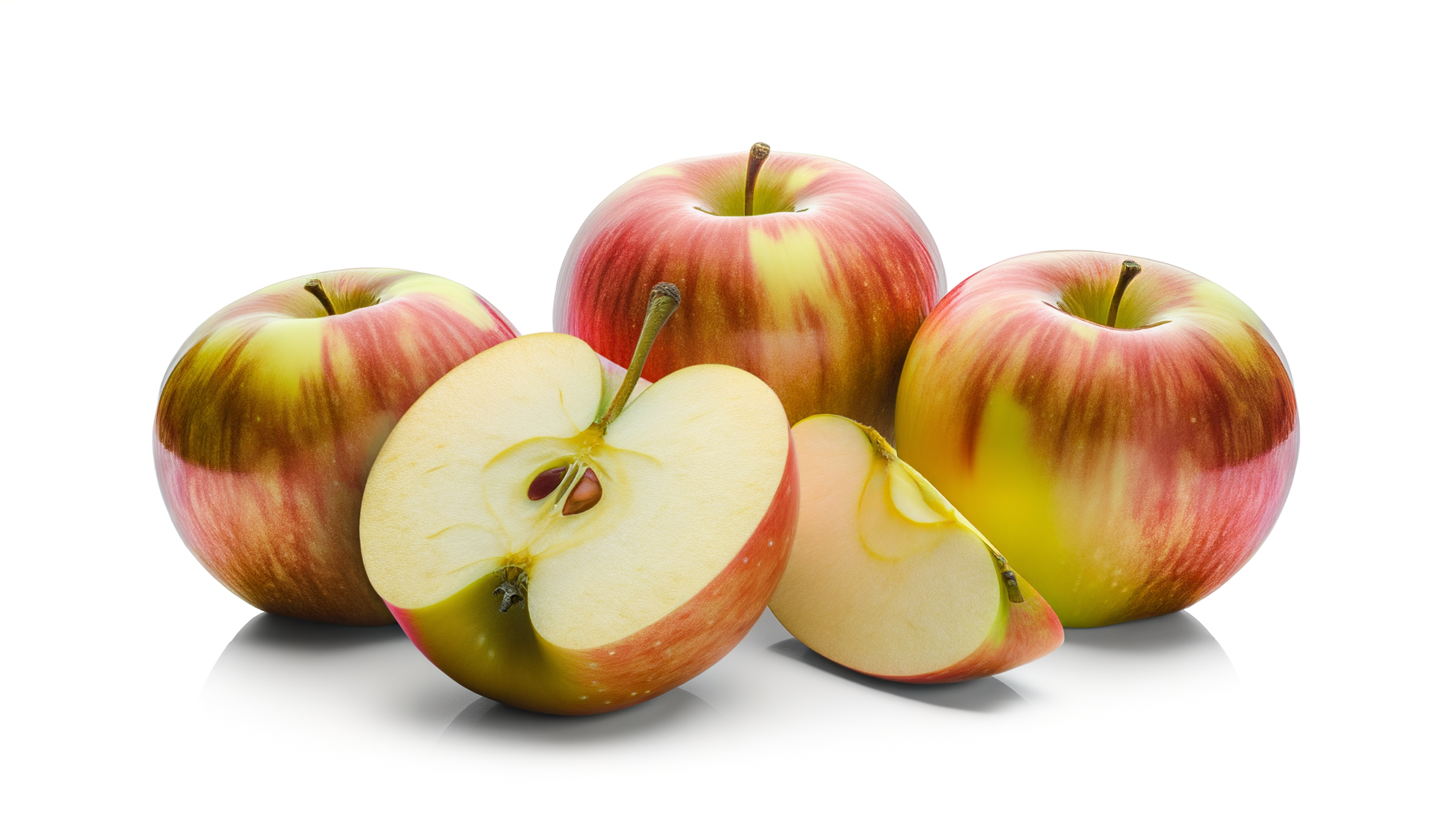
Red Apple
Malus domestica
Sensory Profile
Tastes
Basic flavor profiles
Aromas
Scent characteristics
Stimuli
Sensory sensations
Textures
Physical properties
About Red Apple
Red Apple (Malus domestica), a member of the Rosaceae family, presents a sensory profile that is both crisp and refreshing, characterized by a balanced sweetness and subtle tartness. The aroma is reminiscent of freshly cut grass with hints of floral notes, while the texture ranges from firm and juicy to tender, depending on the variety. This delightful fruit is a cornerstone in iconic dishes such as the classic American apple pie, where its natural pectin aids in thickening the filling, creating a luscious mouthfeel that contrasts beautifully with the flaky crust. Additionally, in French cuisine, the tarte Tatin showcases the apple's ability to caramelize, enhancing its inherent sugars and producing a rich, complex flavor profile that deepens with cooking. Originating from Central Asia, the red apple has woven itself into the fabric of various cultures, symbolizing knowledge and temptation in Western traditions, while in regions like Normandy, France, it plays a pivotal role in cider production, where traditional methods involve fermenting whole apples to capture their unique flavor nuances. What distinguishes the red apple is its high malic acid content, which not only contributes to its refreshing tartness but also acts as a natural preservative, allowing it to maintain quality during storage. This chemical characteristic, combined with its ability to undergo enzymatic browning when cut, makes it a fascinating ingredient for chefs who wish to explore both its raw and cooked applications in the culinary arts.
Associated health effects(21)
- Satiety Enhancement
- Antioxidant
- Allergic Reactions
- Cardiovascular Health
- Phloridzin-Mediated Glucose Regulation
- Type 2 Diabetes Prevention
- Colonic Barrier Protection
- HDL Cholesterol Elevation
- Free Radical Scavenger
- Blood Sugar Regulation
- Fructose Intolerance Risk
- Immune Modulation
- Dietary Fiber
- Prebiotic Fiber-Mediated Gut Microbiota Improvement
- Beta-cell Protection
- Cholesterol Management
- Dental Caries Risk Reduction
- LDL Cholesterol Reduction
- Colorectal Cancer Risk Reduction
- Anticancer Potential
- Anti-inflammatory
Nutrition per 100 g(4)
- Energy: 52 kcal
- Protein: 0.3 g
- Fat: 0.3 g
- Fiber: 2.4 g