
Red Bean Sensory Map
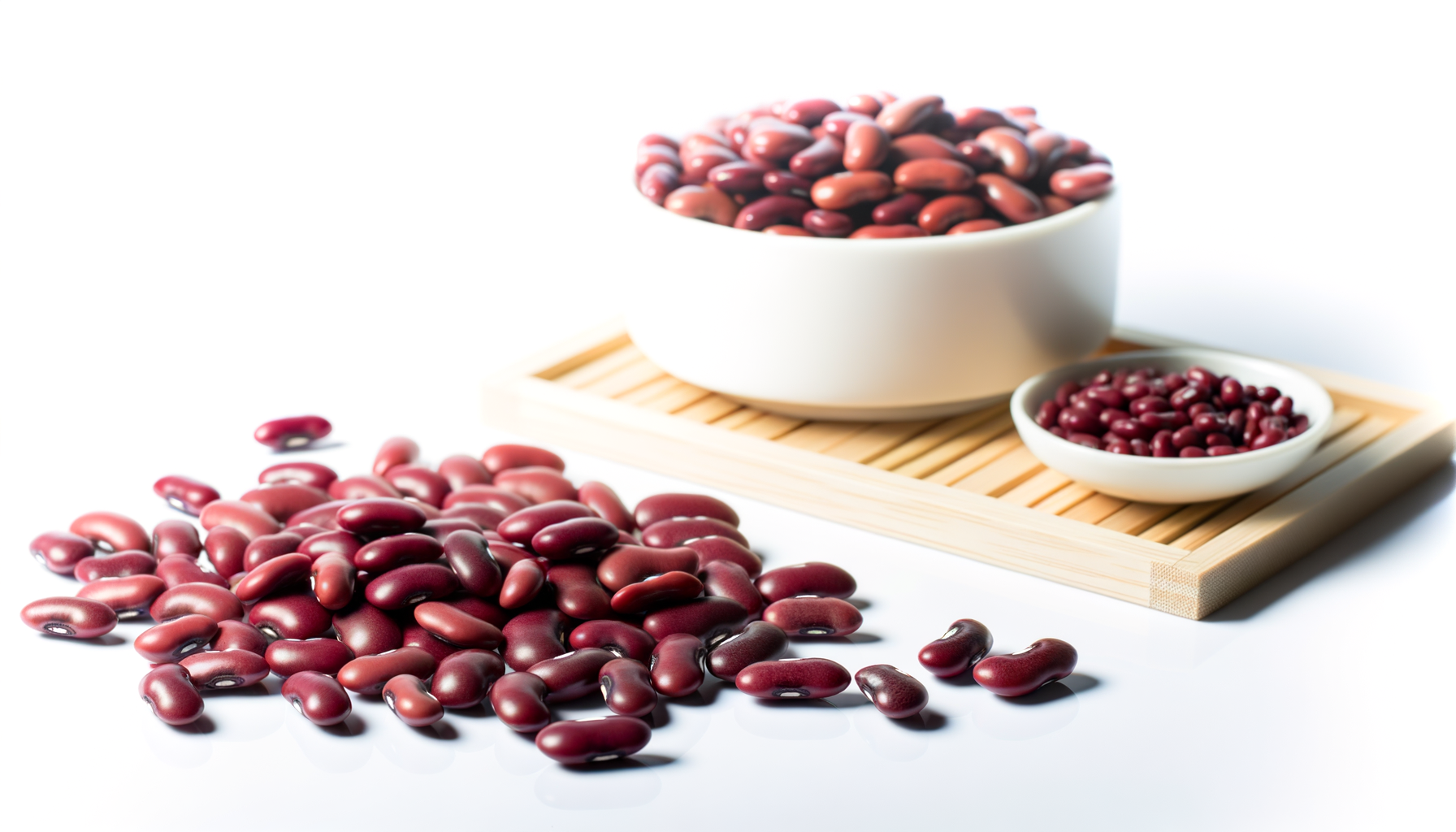
Red Bean
Phaseolus vulgaris
Sensory Profile
Tastes
Basic flavor profiles
Aromas
Scent characteristics
Stimuli
Sensory sensations
Textures
Physical properties
About Red Bean
Red beans, also known as adzuki beans, possess a subtly sweet and earthy flavor with a creamy texture when cooked. Their mild taste allows them to absorb surrounding flavors, making them versatile in both savory and sweet dishes. Red beans are a staple in various cuisines, particularly in East Asian, Latin American, and Caribbean dishes. They are commonly used in soups, stews, and chili, where they provide protein and a hearty texture. In Asian cuisine, they are often found in desserts, such as red bean paste, which is used in mochi, pastries, and ice cream. In addition, red beans can be mashed, pureed, or used whole in salads and rice dishes, enhancing both flavor and nutritional value. Red beans are believed to have originated in East Asia, with a long history of cultivation in countries like China and Japan. They have since spread globally, becoming integral to various culinary traditions, particularly in the Americas, where they were introduced by early explorers and settlers. Red beans are small, oval-shaped legumes with a deep red-brown color and a glossy exterior. They are rich in protein, fiber, and essential nutrients, making them a healthy addition to any diet. Their ability to hold shape during cooking, combined with their nutritional benefits, makes them a favored choice among both home cooks and professional chefs.
Associated health effects(70)
- Blood Pressure Support
- Butyrate Production Enhancement
- Satiety Enhancement
- Micronutrient Density
- Colonic Transit Enhancement
- Dietary Prebiotic Support
- Flatulence and Bloating
- Phytate Mineral Bioavailability Reduction
- Antioxidant
- Allergic Reactions
- Cardiovascular Health
- Dose-Dependent Effects
- Lectin-Induced Mild Digestive Discomfort
- Blood Pressure Reduction
- Gut Microbiota Modulation
- Folate Source
- Colon/Gut Health Promotion
- Nutritional Advantages
- Iron Absorption Inhibition
- Cancer-Preventive
- Lipid Profile Improvement
- Lectin-Induced Gastrointestinal Toxicity
- Blood Cholesterol Reduction
- Low Fat Content
- Blood Sugar Support
- Appetite Reduction via Fiber-Induced Satiety
- Lectin-Induced Acute Toxicity
- Amylose-Mediated Blood Sugar Modulation
- Antidiabetic Activity
- Blood Sugar Regulation
- Polyphenol-Mediated Gut Barrier Protection
- Immune Modulation
- Polyphenol-Mediated Antioxidant Activity
- Colonic Microbiota Modulation
- Flavor and Culinary Use
- Iron Content Support
- Plant-based Protein Source
- Mineral Content
- Dietary Fiber
- Interaction with Medications
- Allergic Reaction Risk
- Lower Glycemic Impact
- Prebiotic Support
- Cholesterol Management
- Anemia Prevention
- Antinutrient Exposure
- Potassium Content Support
- Antioxidant Immunity Support
- Protein Content
- Dietary Lectin Exposure
- Alpha-glucosidase Inhibition
- Weight Management
- Anti-aging Activity
- LDL Cholesterol Reduction
- Complex Carbohydrate Content
- Saponin-Mediated Cholesterol Reduction
- Fiber Content
- Phytohemagglutinin Toxicity
- Phytohaemagglutinin Toxicity
- Triglyceride Reduction
- Immune Function
- Low Glycemic Impact
- Digestive Prebiotic Support
- Colorectal Cancer Risk Reduction
- Magnesium
- Lectin Exposure
- Digestive Aid
- Short-Chain Fatty Acid Production Enhancement
- High-Quality Protein Provision
- Anti-inflammatory
Nutrition per 100 g(4)
- Energy: 127 kcal
- Protein: 8.7 g
- Fat: 0.5 g
- Fiber: 8.7 g