
Red Cabbage Sensory Map
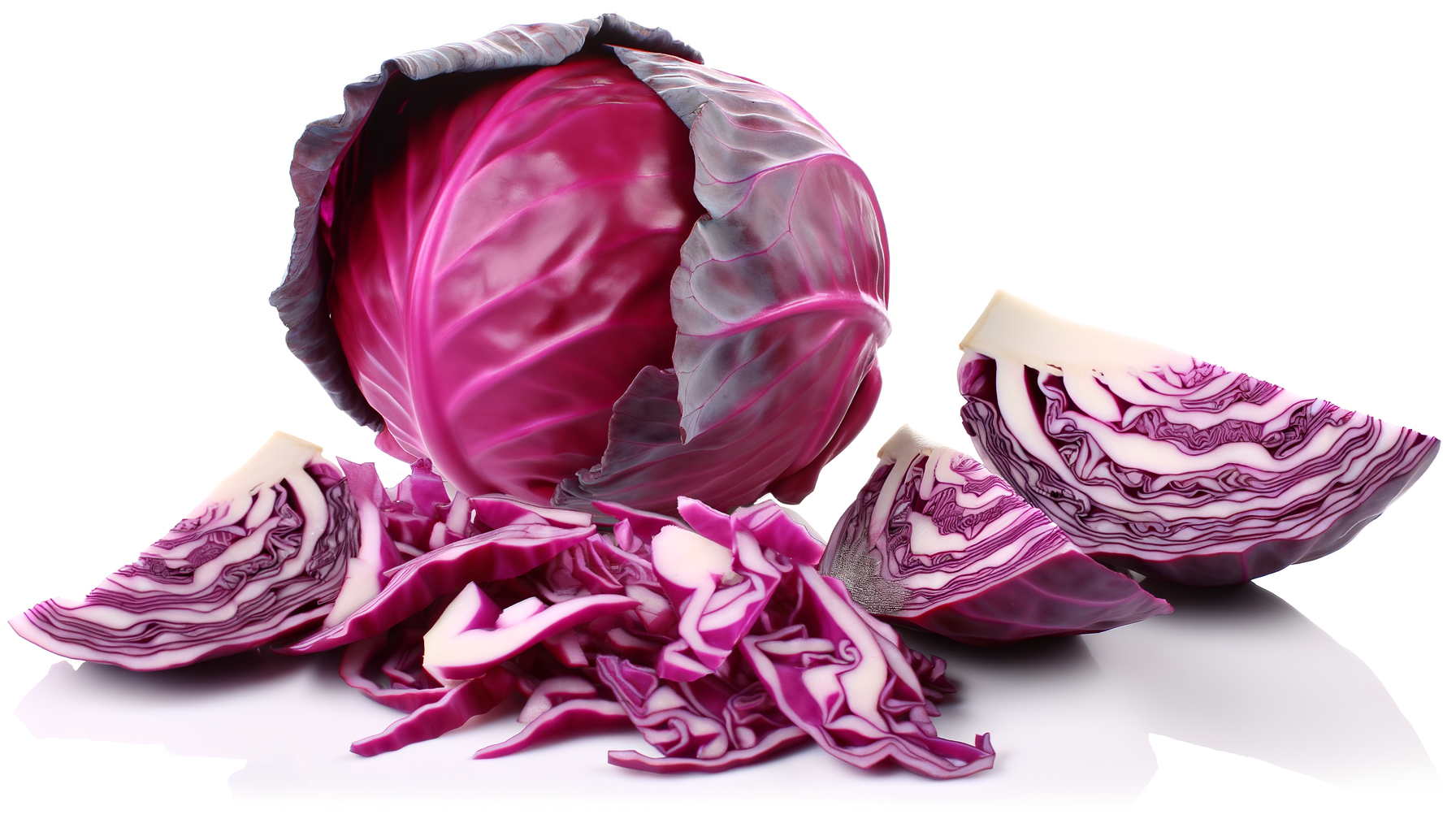
Red Cabbage
Brassica oleracea var. capitata f. rubra
Sensory Profile
Tastes
Basic flavor profiles
Aromas
Scent characteristics
Stimuli
Sensory sensations
Textures
Physical properties
About Red Cabbage
Red cabbage offers a mildly peppery and slightly sweet flavor, with a crisp texture that becomes tender when cooked. Its taste can be enhanced by cooking methods such as sautéing or braising, which mellow its sharpness and bring out its natural sweetness. This versatile vegetable is commonly used in salads, slaws, and pickles, where its vibrant color adds visual appeal. It can also be braised or roasted as a side dish, paired with meats or grains. In Eastern European cuisine, red cabbage is often fermented to create sauerkraut, while in Asian dishes, it can be stir-fried or used in dumplings. Its color can also be utilized as a natural dye in culinary applications. Red cabbage is believed to have originated in the Mediterranean region, with cultivation dating back to ancient times. It has since spread across Europe and is now widely grown in temperate climates around the world. Its hardiness makes it a popular choice for cooler growing seasons. Red cabbage is easily identifiable by its deep purple-red leaves, which are rich in anthocyanins—antioxidants that contribute to its vibrant color and health benefits. The leaves are tightly packed, forming a dense head, and the vegetable is known for its long shelf life compared to other cabbage varieties. Its nutritional profile
Associated health effects(101)
- Anthocyanin-Mediated Neuroprotection
- Safety and Toxicity
- Indole-3-Carbinol-Mediated Cancer Prevention
- Vitamin C Source
- Polyphenol Antioxidant Activity
- Blood Pressure Support
- Isothiocyanate-Mediated Anticancer Activity
- Butyrate Production Enhancement
- Micronutrient Support
- Sulforaphane-Mediated Neuroprotection
- Isothiocyanate-Mediated Short-Chain Fatty Acid Production Enhancement
- Satiety Enhancement
- Beta-Carotene Source
- Micronutrient Density
- Sulforaphane-Mediated Anti-inflammatory Activity
- Colorectal Cancer Subtype Risk Reduction
- Vitamin C Content Support
- Intestinal Barrier Integrity Enhancement
- Oxidative Stress Resistance
- Gastrointestinal Protection
- Drug Interactions
- Flatulence and Bloating
- Beta-Carotene-Mediated Vitamin A Support
- Cardiovascular Protection
- Sulforaphane-Mediated Nrf2 Pathway Activation
- Antioxidant
- Isothiocyanate-Mediated Antioxidant Activity
- Diabetes Management
- Cardiovascular Health
- Dose-Dependent Effects
- Allergy Risk
- Glucosinolate-Mediated Gut Inflammation Reduction
- Anthocyanin Support
- Goitrogenic Activity
- Short-Chain Fatty Acid Production
- Vitamin C Antiscorbutic Activity
- Fermentation-Enhanced Prebiotic Activity
- Weight Control
- Blood Pressure Reduction
- Cognitive Enhancement
- Gut Microbiota Modulation
- Folate Source
- Type 2 Diabetes Prevention
- Nutritional Advantages
- Cancer-Preventive
- Anthocyanin-Mediated Colonic Barrier Support
- Colonic Barrier Protection
- Anthocyanin Provision
- Glucosinolate-Mediated Colorectal Cancer Risk Reduction
- Inflammatory Bowel Disease Symptom Amelioration
- Low Caloric Density
- Vitamin K Source
- Vitamin K Interaction
- Satiety Modulation
- Anthocyanin-Mediated Gut Microbiota Modulation
- Immune Booster
- Immune Modulation
- Polyphenol-Mediated Antioxidant Activity
- Vision Protection
- Sulforaphane Provision
- Treg/Th17 Immune Modulation
- Digestive Irritation
- Anti-obesity Activity
- No Evidence of Toxicity, Heavy Metals, or Contaminants
- At-Risk Populations
- Digestive Discomfort
- Hepatoprotection
- Dietary Fiber
- Vitamin K Content Support
- Prebiotic Fiber-Mediated Gut Microbiota Improvement
- Bone Health
- Prebiotic Support
- Brain Health
- Glucosinolate-Mediated Detoxification Enzyme Activation
- Antioxidant Immunity Support
- Antiscorbutic Activity
- Digestive Protection
- Gastroprotection
- Weight Management
- Anti-aging Activity
- LDL Cholesterol Reduction
- Gastrointestinal Barrier Function Support
- Sulforaphane-Mediated Gastrointestinal Mucosal Protection
- Potassium
- Lactic Fermentation-Mediated Gut Microbiota Modulation
- Fiber Content
- Gastric Ulcer Protection
- Immune Function
- Neuroprotection
- Digestive Prebiotic Support
- Gastrointestinal Distress
- Heart Health
- Colorectal Cancer Risk Reduction
- Eye Health
- Digestive Aid
- Short-Chain Fatty Acid Production Enhancement
- Glucosinolate-Mediated Detoxification Support
- Digestive Health
- Anticancer Potential
- Anti-inflammatory
- Cognitive Support
Nutrition per 100 g(4)
- Energy: 28 kcal
- Protein: 1.4 g
- Fat: 0.2 g
- Fiber: 2.1 g