
Rhubarb Sensory Map
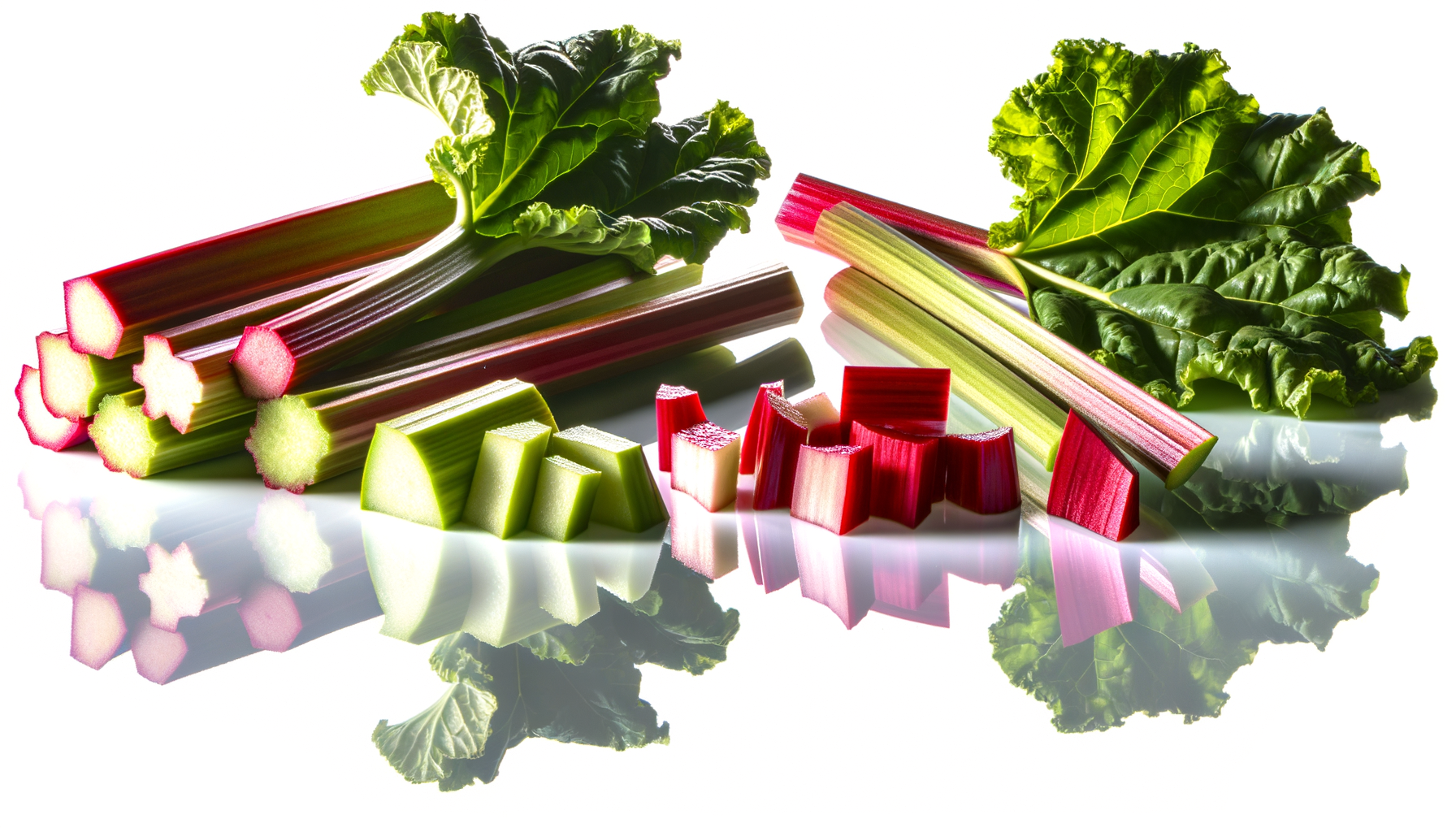
Rhubarb
Rheum x hybridum
Sensory Profile
Tastes
Basic flavor profiles
Aromas
Scent characteristics
Stimuli
Sensory sensations
Textures
Physical properties
About Rhubarb
Rhubarb is renowned for its unique tartness, which can range from mildly sour to intensely acidic, depending on the variety and ripeness. Its flavor is often described as a combination of citrus and green apple, with a refreshing yet sharp bite that can be balanced with sweeteners in culinary applications. Primarily used in desserts, rhubarb shines in pies, crumbles, and jams, where its tartness is complemented by sugar. It can also be used in savory dishes, adding a bright acidity to sauces, marinades, and glazes for meats, particularly pork and duck. Additionally, rhubarb can be stewed or incorporated into beverages, such as cocktails and herbal teas, providing a refreshing tang. Rhubarb has its roots in Asia, particularly in regions of China, where it has been cultivated for centuries for its medicinal properties. The plant was introduced to Europe in the 17th century, where it became popular for culinary uses. Today, it is widely grown in temperate regions around the world, with notable production in the United States, particularly in the Midwest. Rhubarb is characterized by its large, leafy green tops and thick, fleshy stalks, which can vary in color from deep red to pale green. It is important to note that only the stalks are edible; the
Associated health effects(11)
- Antioxidant
- Wound Healing
- Liver Support
- Oxalate Nephrotoxicity
- Dietary Fiber
- Bone Health
- Cholesterol Management
- Antibacterial
- Digestive Aid
- Digestive Motility Modulation
- Anti-inflammatory
Nutrition per 100 g(4)
- Energy: 30 kcal
- Protein: 1 g
- Fat: 0.2 g
- Fiber: 2 g