
Rice Sensory Map
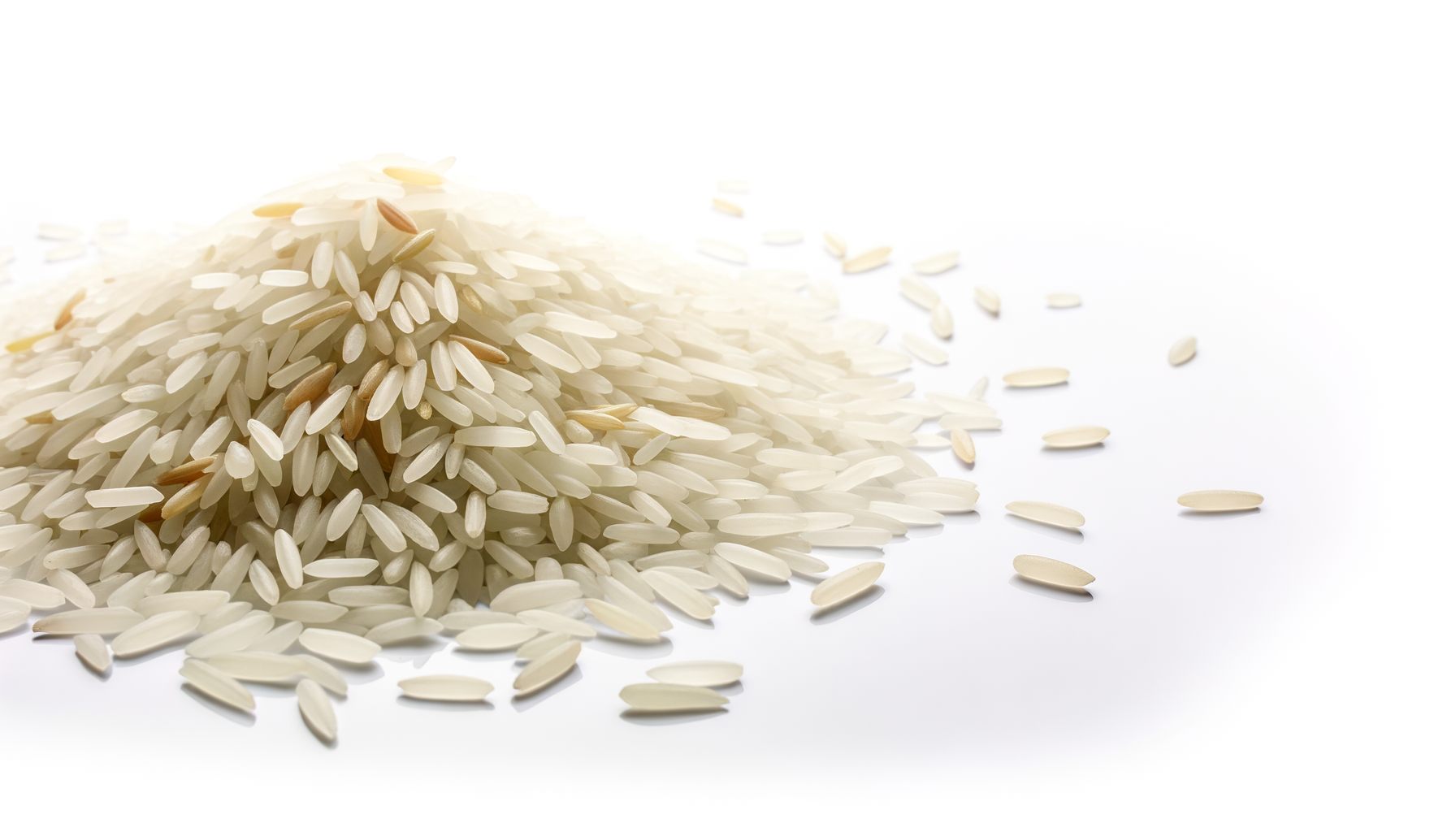
Rice
Oryza sativa
Sensory Profile
Tastes
Basic flavor profiles
Aromas
Scent characteristics
Stimuli
Sensory sensations
Textures
Physical properties
About Rice
Rice has a subtle, neutral flavor that serves as a versatile base for a wide array of dishes. Depending on the variety, it can exhibit slight nuttiness, sweetness, or earthiness, with some types offering a creamy texture when cooked. Rice is a staple food in many cultures and is used in countless culinary applications. It can be steamed, boiled, fried, or baked, and is a key ingredient in dishes such as risotto, paella, sushi, and biryani. It also serves as a side dish, a base for stir-fries, and is ground into flour for gluten-free baking. Different varieties, such as jasmine, basmati, and arborio, are chosen for specific dishes due to their unique textures and flavors. Rice is believed to have been domesticated in the Yangtze River valley of China over 9,000 years ago. It has since spread globally, with significant cultivation in regions such as Southeast Asia, India, and the southern United States. Today, it is one of the most widely consumed staple foods, feeding billions of people worldwide. Rice grains vary in size, shape, and color, with common types including long-grain, medium-grain, and short-grain varieties. White rice is milled and polished, while brown rice retains its bran and germ, offering higher nutritional value
Associated health effects(49)
- Blood Sugar Spikes
- Glycemic Index Modulation
- Micronutrient Density
- Heavy Metal Accumulation
- Glycemic Spiking from Refined Starch
- Weight Control and Metabolic Effects
- Lignan-Mediated Hormone Modulation
- Arsenic Accumulation
- Chronic Disease Risk
- Phytate Mineral Bioavailability Reduction
- Antioxidant
- Cardiovascular Health
- Refined Starch Glycemic Spiking
- Polyphenol Content Elevation
- Inorganic Arsenic Accumulation
- Digestive Tolerance
- Blood Pressure Reduction
- Folate Source
- Nutritional Advantages
- Lysine Provision
- Cancer-Preventive
- Refining and micronutrient loss
- Gluten-Free Suitability
- Blood Sugar Support
- Antidiabetic Activity
- Blood Sugar Regulation
- Protein Quality Limitation
- Malnutrition Prevention
- Digestive Irritation
- Type 2 Diabetes and Metabolic Strain
- Thiamin
- Dietary Fiber
- Rapid Energy Provision
- Ferulic Acid Cardiovascular Support
- Cholesterol Management
- All-Cause Mortality Reduction
- Manganese
- Gluten-Free Nature
- Niacin
- Weight Management
- Complex Carbohydrate Content
- Vitamin B6 Nervous System Support
- Rapid Glycemic Response
- Weight Gain
- Heart Health
- Magnesium
- Type 2 Diabetes Risk
- Digestive Health
- Anti-inflammatory
Nutrition per 100 g(4)
- Energy: 365 kcal
- Protein: 7.13 g
- Fat: 0.66 g
- Fiber: 1.3 g