
Riesling Sensory Map
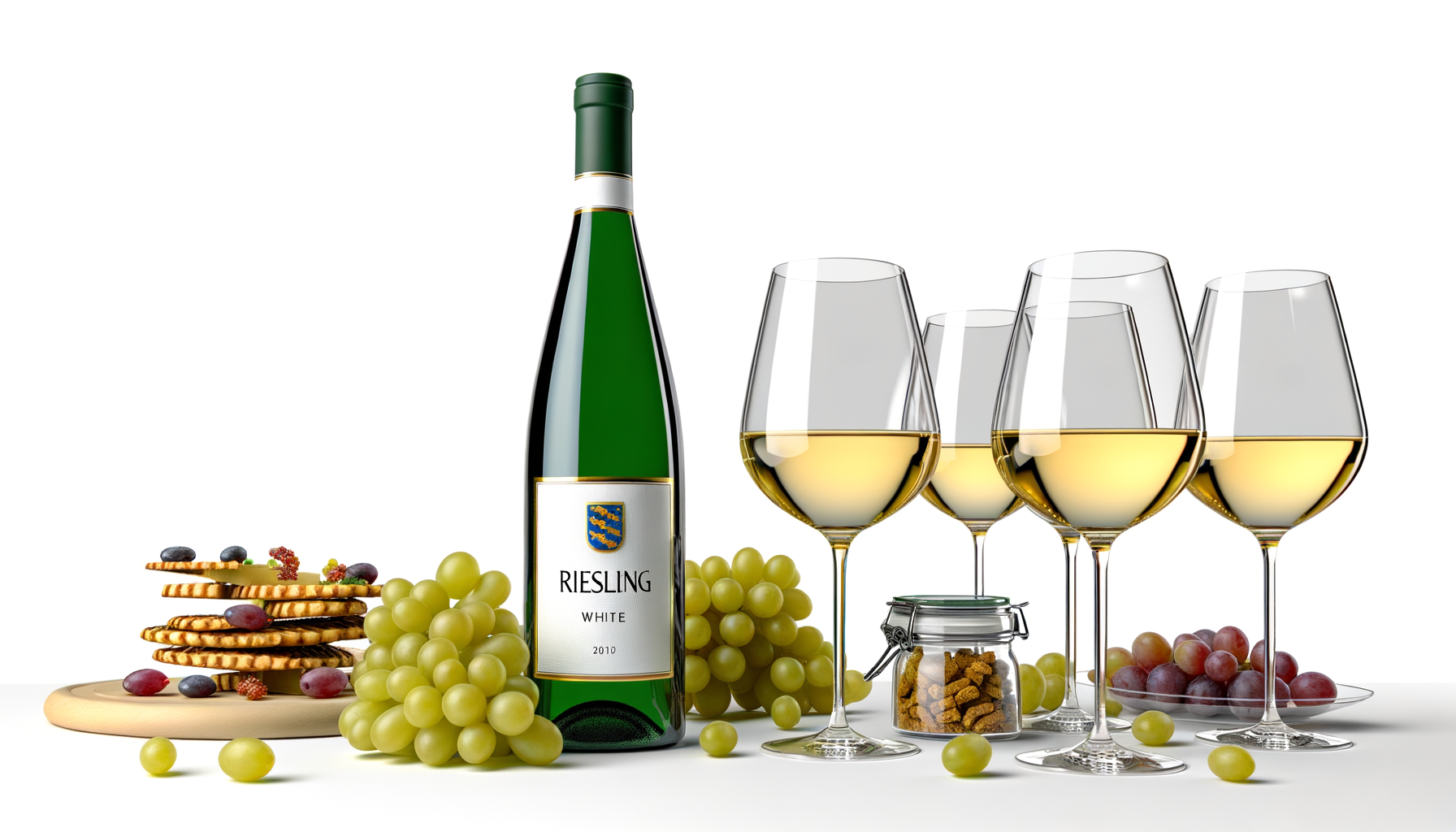
Riesling
Vitis vinifera
Sensory Profile
Tastes
Basic flavor profiles
Aromas
Scent characteristics
Stimuli
Sensory sensations
Textures
Physical properties
About Riesling
Riesling is a white grape variety renowned for its aromatic qualities and vibrant acidity. The flavor profile is characterized by notes of green apple, pear, peach, and apricot, often accompanied by floral undertones and hints of honey and mineral nuances. Depending on the ripeness and vinification process, Riesling can range from bone-dry to lusciously sweet, showcasing a remarkable balance between sweetness and acidity. Riesling is primarily used in winemaking, producing a diverse array of wines that pair beautifully with food. Its crisp acidity makes it an excellent companion for a variety of dishes, including spicy Asian cuisine, seafood, and poultry. Dry Rieslings complement dishes like grilled fish and salads, while sweeter versions enhance desserts, cheeses, and fruit-based dishes. Additionally, Riesling can be used in cooking to deglaze pans or as a base for sauces, imparting a fruity depth to savory dishes. Riesling is believed to have originated in the Rhine region of Germany, with historical references dating back to the 15th century. It thrives in cool climates, particularly in regions such as the Mosel, Rheingau, and Pfalz in Germany, as well as in Alsace (France), Austria, and parts of the New World, including the United States (notably Washington State) and Australia.
Associated health effects(26)
- Fermentation-Derived Antioxidant Activity
- Mood Alterations
- Polyphenol-Mediated Platelet Aggregation Modulation
- Kidney Stress
- Drug Interactions
- Impaired Judgment
- Cardiovascular Protection
- Antioxidant
- Dose-Dependent Effects
- Blood Pressure Reduction
- Liver Toxicity
- Cancer Risk
- Polyphenol Antioxidant Activity (White Wine-Specific)
- Cardiovascular Stress
- Polyphenol-Mediated Antioxidant Activity
- Addiction Potential
- Interaction with Medications
- Dehydration
- Lung Function Support (White Wine)
- Increased Cancer Risk
- Weight Gain
- Neuroprotection
- Heart Health
- Sleep Disruption
- Anti-inflammatory
- Cognitive Support
Nutrition per 100 g(4)
- Energy: 83 kcal
- Protein: 0.1 g
- Fat: 0 g
- Fiber: 0 g