
Rosemary Sensory Map
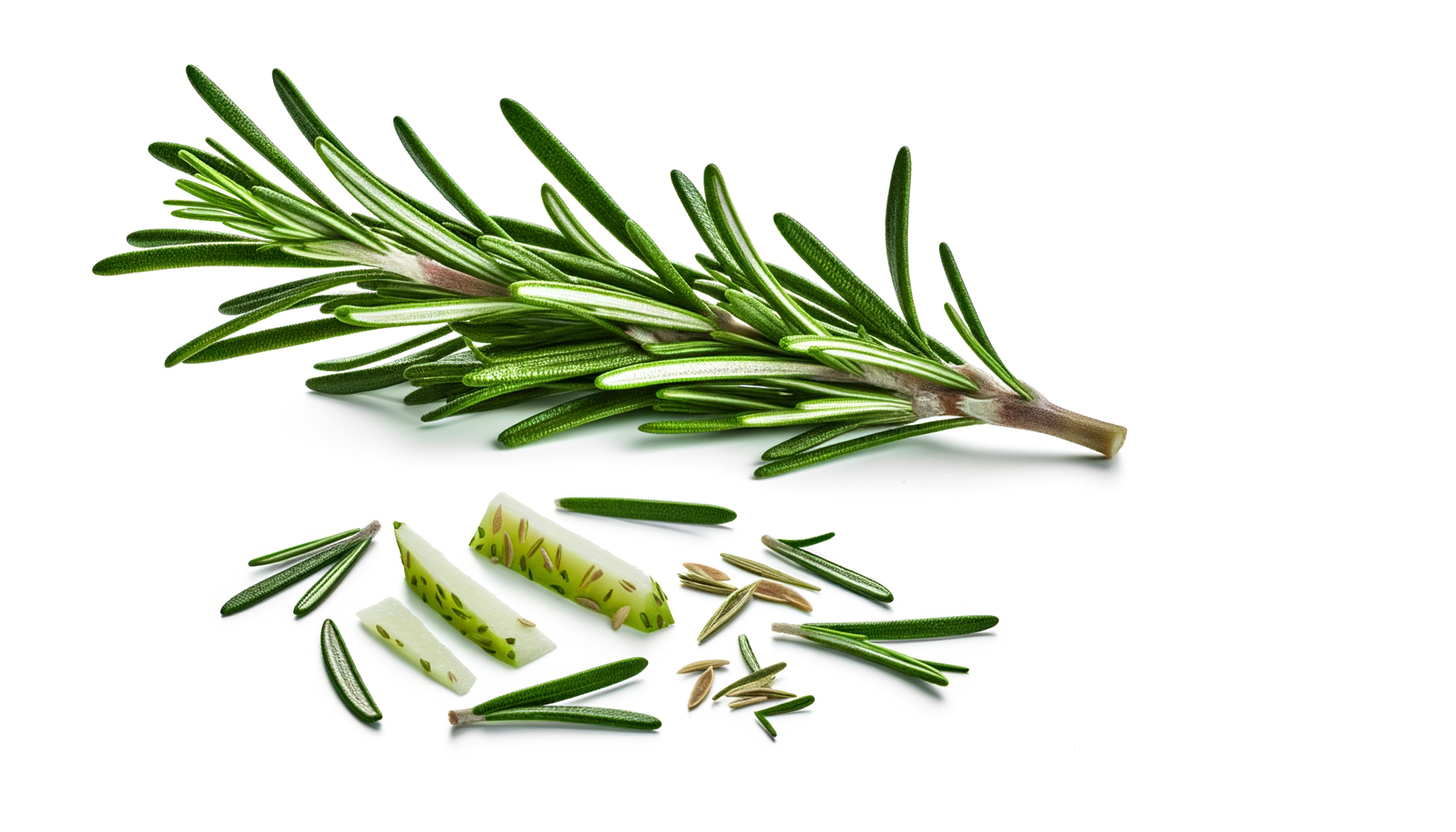
Rosemary
Rosmarinus officinalis
Sensory Profile
Tastes
Basic flavor profiles
Aromas
Scent characteristics
Stimuli
Sensory sensations
Textures
Physical properties
About Rosemary
Rosemary boasts a robust and aromatic flavor, characterized by its pine-like, slightly woody notes, with hints of citrus and mint. Its strong, resinous taste can be both invigorating and earthy, making it a versatile herb in various culinary applications. This perennial herb is widely used in Mediterranean cuisine, complementing meats such as lamb, chicken, and pork. It is also a popular addition to roasted vegetables, soups, and stews. Rosemary pairs well with garlic, olive oil, and lemon, enhancing marinades and dressings. Additionally, it can be infused into oils and vinegars, or used to flavor breads and focaccia. Native to the Mediterranean region, rosemary has been cultivated since ancient times. It thrives in warm, sunny climates and well-drained soil. Historically, it was associated with remembrance and fidelity, often used in weddings and funerals. Rosemary is easily identifiable by its needle-like, evergreen leaves that are dark green on top and silvery beneath. The plant can grow into a woody shrub, reaching heights of up to 5 feet. Its small, pale blue to white flowers bloom in spring and summer, attracting pollinators. Rosemary is not only valued for its culinary uses but also for its potential health benefits, including antioxidant properties and digestive support.
Associated health effects(24)
- Rosemary Essential Oil Toxicity
- Antioxidant
- Allergic Reactions
- Dose-Dependent Effects
- Nutritional Advantages
- Cancer-Preventive
- Antifungal
- Blood Sugar Support
- Vision Protection
- Flavor and Culinary Use
- Mood and Sleep Quality Enhancement
- Hepatoprotection
- Interaction with Medications
- Anti-inflammatory (Inflammation)
- Stress Relief
- Hair Health
- Metabolic Support
- Antibacterial
- Neuroprotection
- Skin Quality Improvement
- Antiviral
- Digestive Aid
- Anti-inflammatory
- Cognitive Support
Nutrition per 100 g(4)
- Energy: 131 kcal
- Protein: 3.31 g
- Fat: 5.86 g
- Fiber: 14.1 g