
Rum Sensory Map
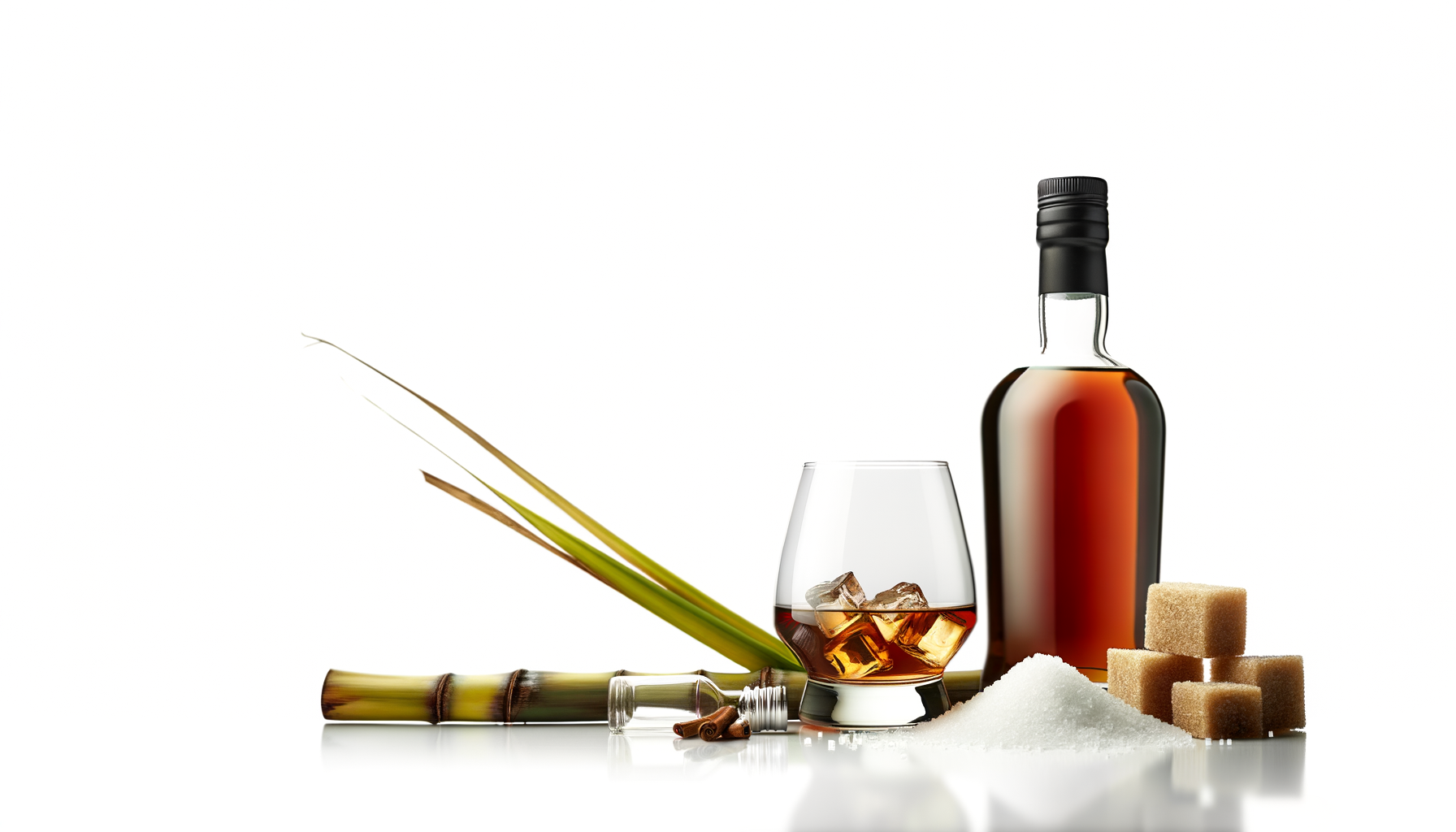
Rum
Saccharum officinarum
Sensory Profile
Tastes
Basic flavor profiles
Aromas
Scent characteristics
Stimuli
Sensory sensations
Textures
Physical properties
About Rum
Rum, derived from sugarcane, boasts a rich and complex flavor profile that varies widely depending on its production method and aging process. Generally, it presents a sweet, caramel-like taste with notes of vanilla, tropical fruits, and spices. Dark rums often exhibit deeper flavors, including molasses, chocolate, and oak, while light rums are typically lighter and crisper, with hints of citrus and sugarcane. Rum is a versatile ingredient in both cooking and mixology. It is commonly used in marinades and sauces for meats, adding depth and sweetness. In desserts, rum enhances flavors in cakes, pastries, and sauces, particularly in tropical and Caribbean cuisines. Additionally, rum is a key component in classic cocktails such as the Mojito, Daiquiri, and Pina Colada, where it contributes to the drink's overall flavor complexity. Rum has its roots in the Caribbean, where it was first produced in the 17th century. The process of fermenting and distilling sugarcane juice or molasses to create rum emerged as sugarcane plantations flourished in the region. Today, rum is produced globally, with notable varieties originating from countries like Jamaica, Puerto Rico, Cuba, and Barbados, each reflecting local traditions and terroir. Rum is characterized by its diverse styles, including white, gold,
Associated health effects(37)
- Neurological and Anxiolytic Effects
- Alcohol-Induced Immune Modulation
- Alcohol-Induced Vasodilation
- Immune Suppression
- Drug Interactions
- Dementia Risk Reduction
- Impaired Judgment
- Antiseptic Skin Protection
- Antioxidant
- Dose-Dependent Effects
- Fatty Liver
- Liver Toxicity
- Cancer Risk
- Ethanol Antiseptic Activity
- Neurological Effects
- Cardiovascular Stress
- Polyphenol-Mediated Antioxidant Activity
- All-Cause Mortality Risk Elevation
- Addiction Potential
- Gout and Metabolic Disorders
- Digestive Irritation
- Mood Enhancement
- Interaction with Medications
- Trace Antioxidant Activity
- Platelet Aggregation Modulation
- Obesity and Weight Gain
- Dehydration
- Cholesterol Management
- Stress Relief
- Congener-Induced Hangover Severity
- Antibacterial
- Bleeding Risk
- Increased Cancer Risk
- Weight Gain
- Heart Health
- Sleep Disruption
- Digestive Aid
Nutrition per 100 g(4)
- Energy: 231 kcal
- Protein: 0 g
- Fat: 0 g
- Fiber: 0 g