
Rutabaga Sensory Map
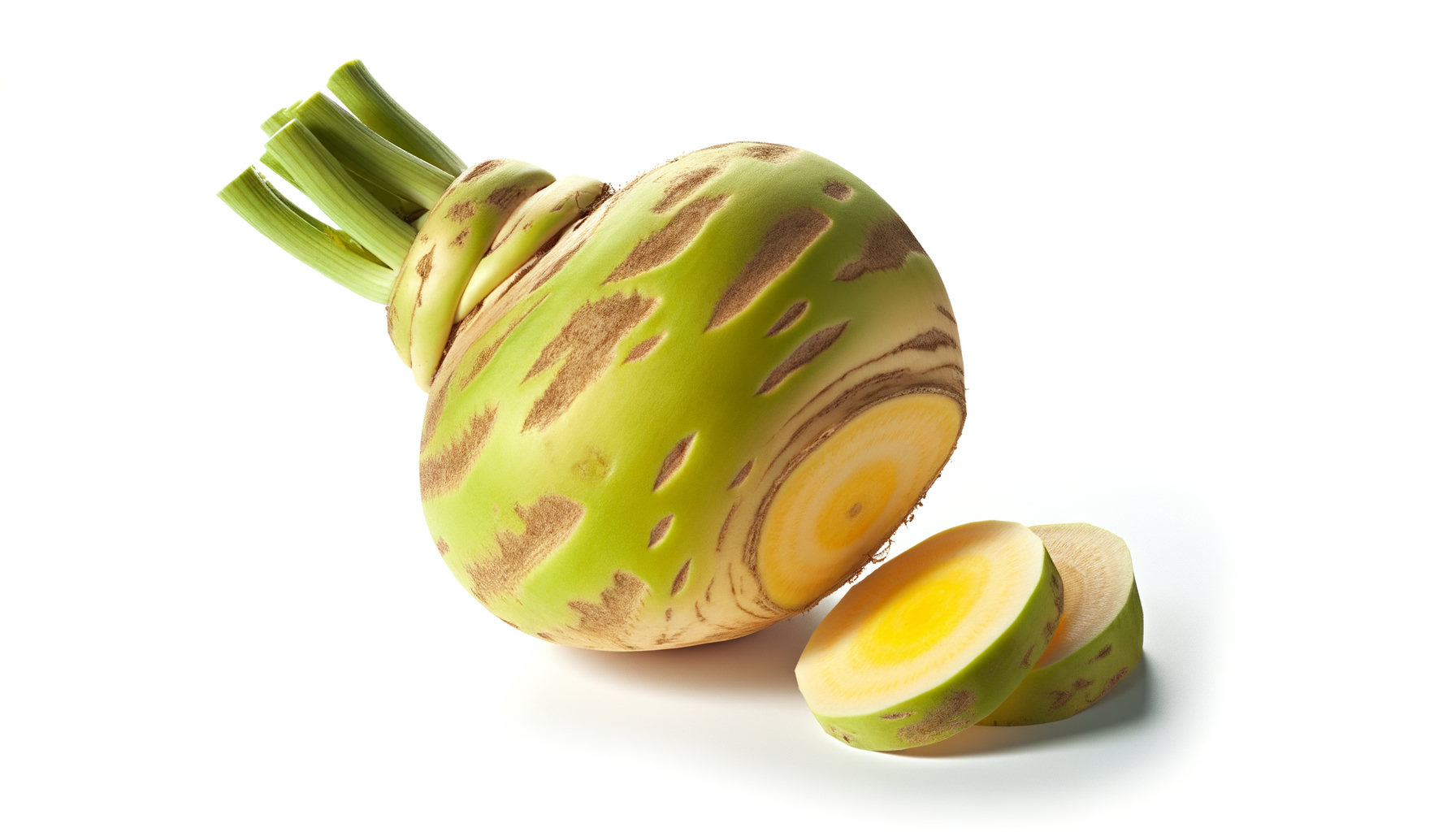
Rutabaga
Brassica napus var. napobrassica
Sensory Profile
Tastes
Basic flavor profiles
Aromas
Scent characteristics
Stimuli
Sensory sensations
Textures
Physical properties
About Rutabaga
Rutabaga (Brassica napus var. napobrassica), a member of the Brassicaceae family, presents a unique sensory profile characterized by its slightly sweet, earthy flavor with subtle notes of mustard and a hint of bitterness that intensifies with cooking. The aroma is reminiscent of a cross between cabbage and turnip, with a robust, almost nutty quality when roasted. Its texture is firm yet creamy when cooked, making it an excellent candidate for mashing or pureeing, as it readily absorbs flavors from accompanying ingredients. Culinary applications of rutabaga are particularly prominent in traditional dishes such as Swedish "rotmos," a comforting mash of rutabaga and potatoes that showcases its creamy texture and earthy sweetness, enhancing the dish's overall depth. Similarly, in the classic French "potée," rutabaga contributes both body and flavor, as its starchiness helps thicken the broth while absorbing the savory notes from meats and herbs. The vegetable's high pectin content also aids in creating a satisfying mouthfeel, making it an ideal addition to stews and casseroles where it can break down and meld with other ingredients. Originating from the cold climates of Northern Europe, rutabaga has significant cultural importance, particularly in Scandinavian and British cuisines, where it has been cultivated since the 17th century. Traditionally, it is grown in well-drained, fertile soils and harvested in the fall, allowing it to develop its sweet flavor profile through exposure to frost, which converts starches into sugars. This seasonal harvesting aligns with the vegetable's role in winter dishes, providing sustenance during the colder months. What distinguishes rutabaga is its unique chemical composition, particularly its high levels of glucosinolates, which contribute to its distinctive flavor and potential health benefits. When cooked, these compounds can break down into various sulfur-containing compounds, enhancing the vegetable's savory notes. Additionally, rutabaga's ability to caramelize beautifully when roasted or sautéed adds a layer of complexity to its flavor, making it a valuable ingredient for chefs seeking to elevate their dishes with depth and character.
Associated health effects(13)
- Vitamin C Source
- Blood Pressure Support
- Antioxidant
- Blood Sugar Support
- Immune Booster
- Carotenoid Source
- Dietary Fiber
- Potassium
- Heart Health
- Magnesium
- Glucosinolate-Mediated Detoxification Support
- Digestive Health
- Anti-inflammatory
Nutrition per 100 g(4)
- Energy: 36 kcal
- Protein: 1.2 g
- Fat: 0.2 g
- Fiber: 2.2 g