
Saffron Sensory Map
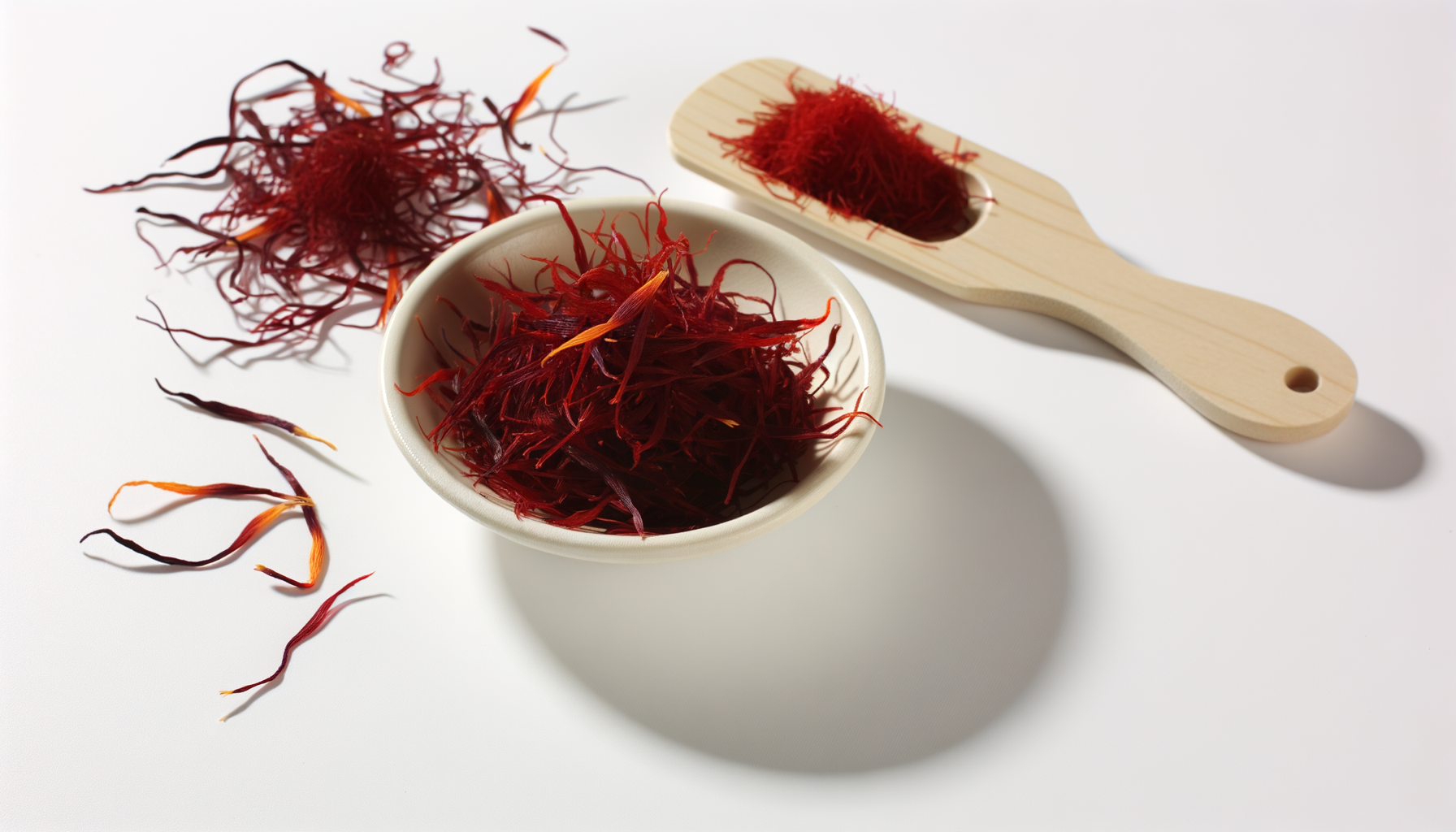
Saffron
Crocus sativus
Sensory Profile
Tastes
Basic flavor profiles
Aromas
Scent characteristics
Stimuli
Sensory sensations
Textures
Physical properties
About Saffron
Saffron is renowned for its unique flavor, which is often described as subtly earthy, slightly sweet, and floral, with a hint of bitterness. Its taste is delicate yet complex, adding depth to dishes without overpowering other ingredients. Saffron is a prized spice in various cuisines, particularly in Mediterranean, Middle Eastern, and South Asian cooking. It is commonly used to flavor and color rice dishes such as paella and risotto, as well as in soups, stews, and sauces. Saffron is also a key ingredient in traditional dishes like Persian saffron rice and Indian biryani. Beyond savory applications, it can enhance desserts, infusing them with its distinctive hue and flavor, as seen in saffron-infused ice creams and pastries. Saffron is derived from the stigmas of the Crocus sativus flower, which blooms in the fall. It is believed to have originated in the Mediterranean region, with historical records tracing its use back over 3,000 years to ancient Persia. Today, Iran remains the largest producer of saffron, followed by countries like India (particularly Kashmir), Spain, and Greece. Saffron is the most expensive spice by weight, primarily due to the labor-intensive harvesting process, as each flower produces only three red stigmas. The vibrant crimson threads are the dried stigmas
Associated health effects(40)
- Satiety Enhancement
- Antidepressant
- Anti-arthritic
- Astrogliosis Attenuation
- GABAergic Modulation
- Antioxidant
- Allergic Reactions
- Dose-Dependent Effects
- Stroke Prevention
- Appetite Reduction
- Ischemic Stroke Recovery
- Blood Pressure Reduction
- Cognitive Enhancement
- Amyloid Aggregation Inhibition
- Aphrodisiac
- Free Radical Scavenger
- Ischemic Stroke Symptom Improvement
- Blood Sugar Regulation
- Neurogenesis Enhancement
- Vision Protection
- Premenstrual Syndrome Symptom Relief
- PMS Symptom Relief
- Flavor and Culinary Use
- Mood Enhancement
- Anti-obesity Activity
- Interaction with Medications
- Cognitive Decline Symptom Reduction
- Cholesterol Management
- Stress Relief
- Weight Management
- LDL Cholesterol Reduction
- Triglyceride Reduction
- Neuroprotection
- Gastrointestinal Distress
- Heart Health
- Digestive Aid
- Sexual Function Support
- Anti-inflammatory
- BDNF Elevation
- Cognitive Support
Nutrition per 100 g(4)
- Energy: 335 kcal
- Protein: 11 g
- Fat: 6 g
- Fiber: 3 g