
Sage Sensory Map
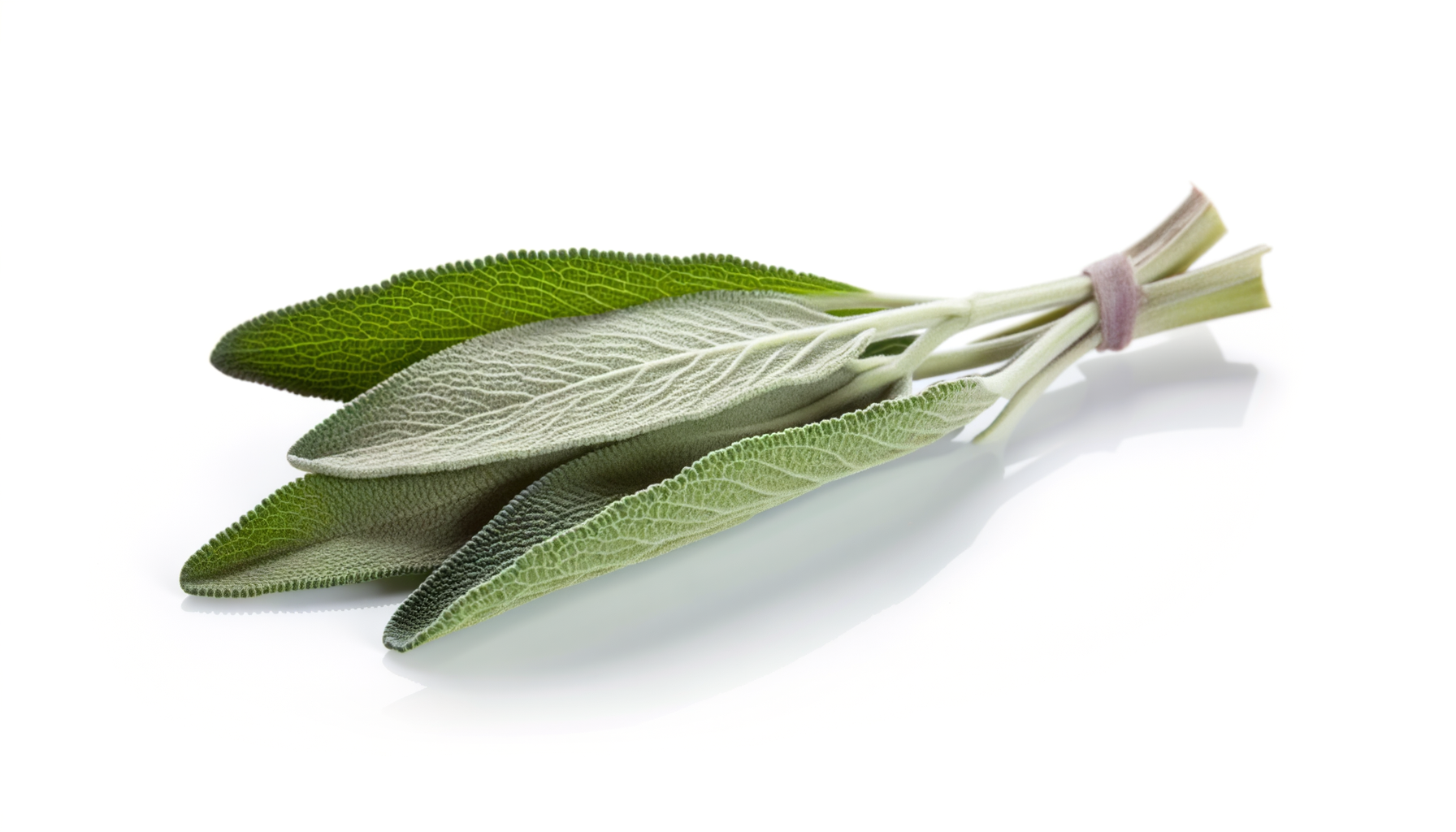
Sage
Salvia officinalis
Sensory Profile
Tastes
Basic flavor profiles
Aromas
Scent characteristics
Stimuli
Sensory sensations
Textures
Physical properties
About Sage
Sage boasts a robust, earthy flavor with a slightly peppery and aromatic quality. Its taste is often described as savory and somewhat minty, with a hint of bitterness that adds depth to dishes. The leaves have a strong, pungent aroma that can be both refreshing and warming. Sage is a versatile herb commonly used in Mediterranean and European cuisines. It pairs exceptionally well with rich meats, particularly pork, lamb, and poultry, enhancing their flavors with its aromatic qualities. Sage is also a key ingredient in stuffing and sausage recipes, as well as in sauces, soups, and stews. Additionally, it can be used to infuse oils and butters, providing a fragrant base for various dishes. Its leaves can be used fresh, dried, or fried for a crispy garnish. Native to the Mediterranean region, sage has been cultivated since ancient times for both culinary and medicinal purposes. It was revered by the Romans and Greeks, who believed it had healing properties. Today, sage is grown in gardens and farms worldwide, thriving in well-drained soil and sunny conditions. Sage is characterized by its soft, gray-green leaves, which are oval and slightly fuzzy. The plant can grow up to two feet tall and produces small, purple flowers that attract pollinators. Its resilience and ability to thrive in various climates make it a popular
Associated health effects(57)
- Polyphenol Antioxidant Activity
- Menstrual Support
- Expectorant
- Menopausal Symptom Modulation
- Potential Additive Hypoglycemia
- Pregnancy/nursing contraindication
- Antioxidant
- Allergic Reactions
- Dose-Dependent Effects
- Cognitive Enhancement
- Cholinesterase Inhibition
- Plaque and Gingivitis Reduction
- Skin Aging Modulation
- Nutritional Advantages
- Wound Healing
- Cancer-Preventive
- Antifungal
- Liver Support
- HDL Cholesterol Elevation
- Blood Sugar Support
- Hormonal Regulation
- Phytoestrogenic Symptom Modulation
- Cognitive Performance Enhancement
- Thujone-Induced Neurotoxicity
- Antidiabetic Activity
- Blood Sugar Regulation
- Digestive Spasm Relief
- Dental Plaque Inhibition
- Antispasmodic Activity
- Camphor-Related Neurotoxicity
- Polyphenol-Mediated Antioxidant Activity
- Digestive Irritation
- Menopausal Hot Flash Reduction
- No Evidence of Toxicity, Heavy Metals, or Contaminants
- Mineral Content
- Essential Oil-Induced Gastrointestinal Irritation
- Interaction with Medications
- Vitamin K Content Support
- Bone Health
- Blood Pressure Elevation
- Thujone Toxicity
- Cholesterol Management
- Pinocamphone-Induced Neurotoxicity
- Antidiarrheal Activity
- Polyphenol-Mediated Neuroprotection
- LDL Cholesterol Reduction
- Acetylcholinesterase Inhibition
- Antibacterial
- Emmenagogue Activity
- Neuroprotection
- Lipid Metabolism Support
- Digestive Aid
- Cholesterol Improvement
- Anti-inflammatory
- Carminative
- Cognitive Support
- Seizure Risk
Nutrition per 100 g(4)
- Energy: 270 kcal
- Protein: 4.4 g
- Fat: 6.1 g
- Fiber: 27 g