
Salt Sensory Map
Salt
Sal
Sensory Profile
Tastes
Basic flavor profiles
Aromas
Scent characteristics
Stimuli
Sensory sensations
Textures
Physical properties
About Salt
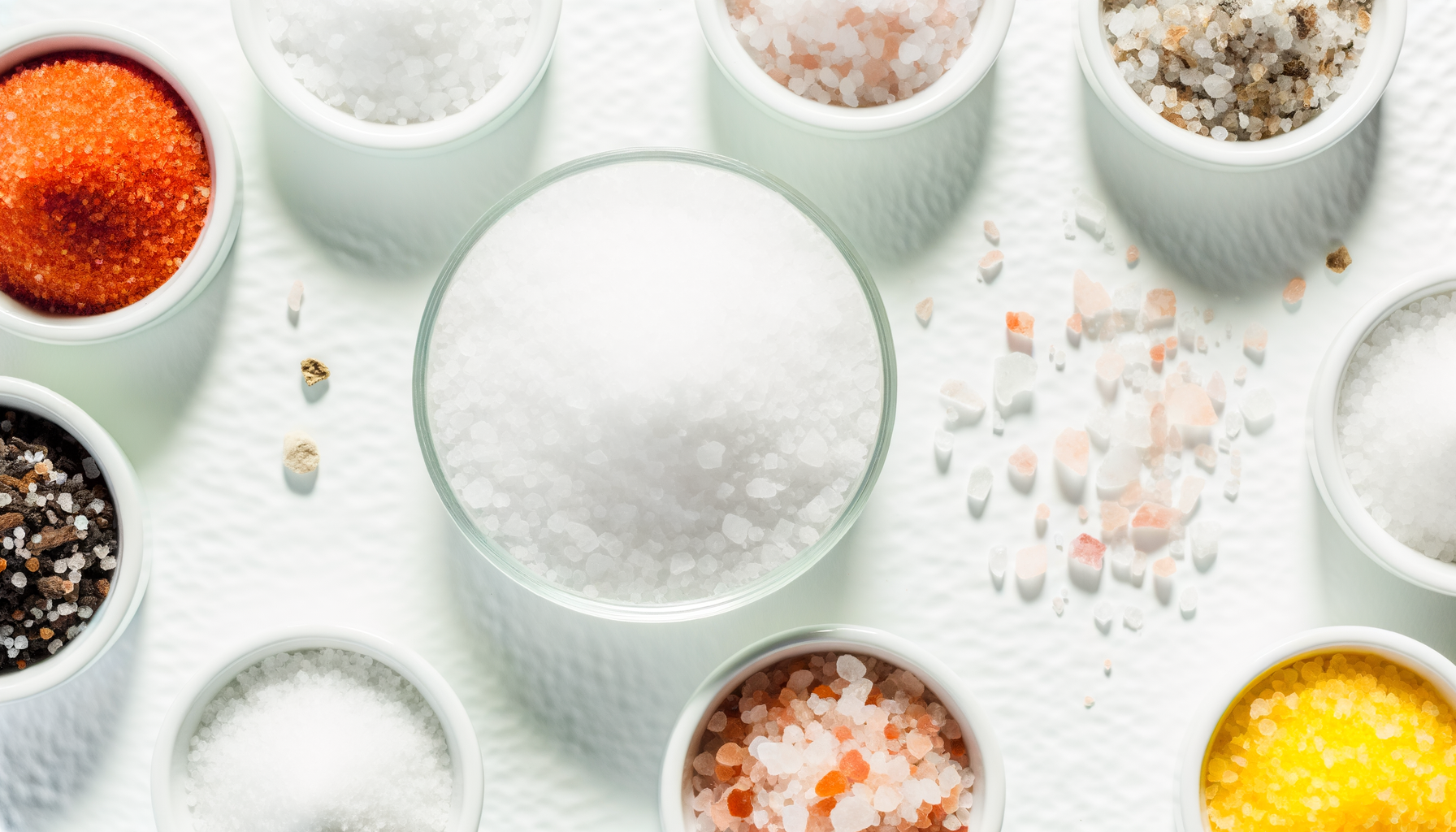
Salt is the quintessential seasoning, known for its ability to enhance and balance flavors. It possesses a clean, mineral taste that can range from mildly briny to intensely savory, depending on its source and processing. Salt's primary function is to amplify sweetness and suppress bitterness, making it an essential component in both sweet and savory dishes. Salt is a versatile ingredient used across all culinary traditions. It is essential for seasoning meats, vegetables, and grains, and is a key component in brining, curing, and preserving foods. In baking, salt strengthens gluten structure and balances sweetness in doughs and batters. Additionally, it is used in finishing dishes, where a sprinkle of flaky sea salt can elevate the overall flavor and texture. Salt has been harvested and utilized by humans for thousands of years, with its origins tracing back to ancient civilizations that recognized its value for preservation and flavor enhancement. The earliest known salt production sites are found in China, where salt was mined from natural deposits. Today, salt is sourced from various locations worldwide, including sea salt from evaporated seawater and rock salt mined from underground deposits. Salt comes in various forms, including table salt, kosher salt, sea salt, and Himalayan pink salt, each with unique textures and flavors. Table salt is finely ground and often iodized, while kosher salt features larger crystals that are ideal for seasoning and koshering
Associated health effects(12)
- Calcium Loss
- Kidney Stress
- Dose-Dependent Effects
- Nutritional Advantages
- Cancer Risk
- Sodium Deficiency Prevention
- Cardiovascular Stress
- Flavor and Culinary Use
- Electrolyte Balance Support
- Interaction with Medications
- Salt Sensitivity
- Sodium Overload
Nutrition per 100 g(4)
- Energy: 0 kcal
- Protein: 0 g
- Fat: 0 g
- Fiber: 0 g