
Sardine Sensory Map
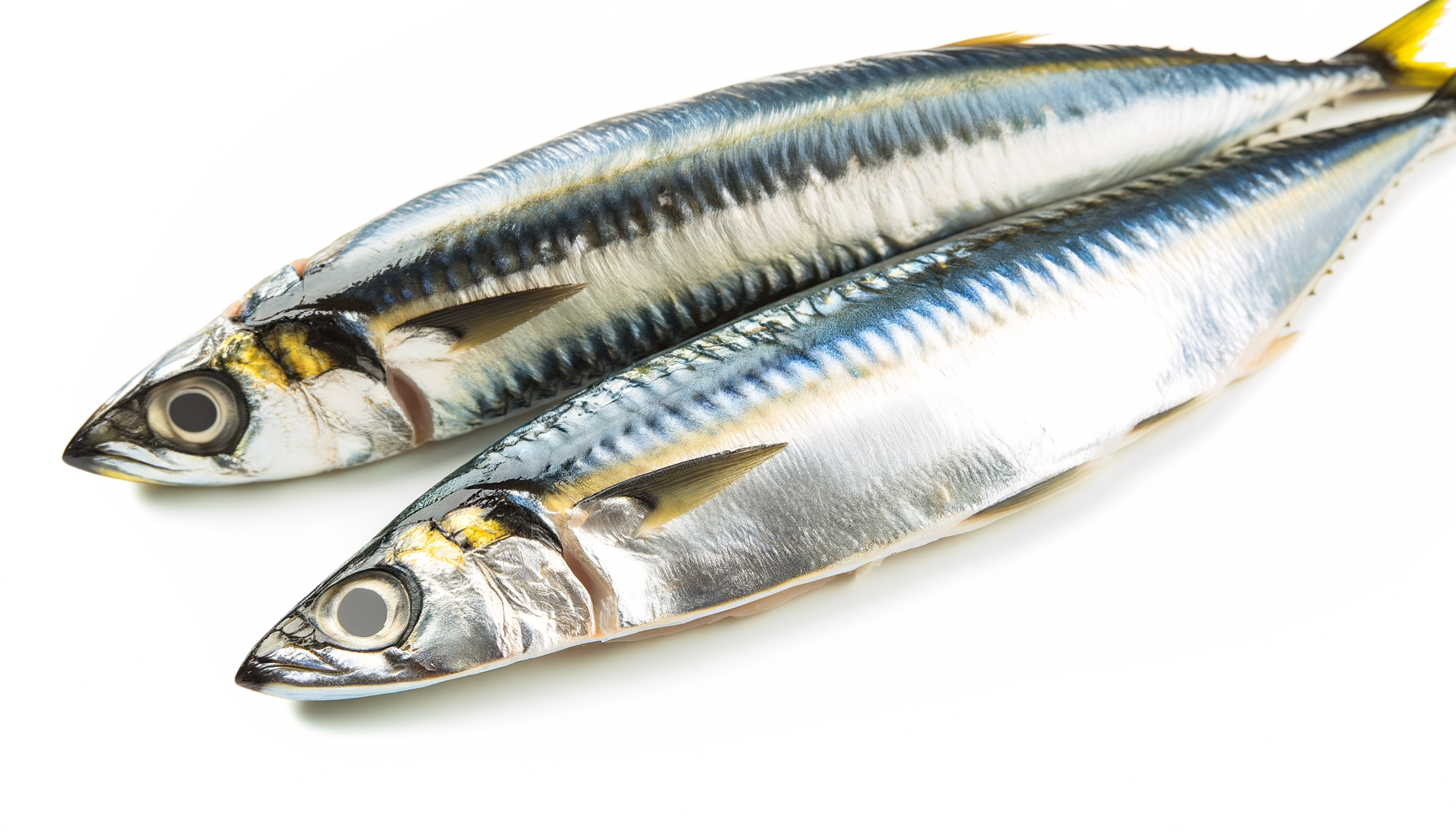
Sardine
Sardina pilchardus
Sensory Profile
Tastes
Basic flavor profiles
Aromas
Scent characteristics
Stimuli
Sensory sensations
Textures
Physical properties
About Sardine
Sardines offer a rich, savory flavor with a distinct brininess that is both robust and slightly sweet. Their flesh is tender and oily, contributing to a satisfying mouthfeel that enhances their umami characteristics. When cooked, they develop a deeper, more complex taste, often complemented by a subtle smokiness when grilled or canned. Sardines are incredibly versatile in the kitchen. They can be enjoyed fresh, grilled, or smoked, and are commonly found canned in oil or water, making them a convenient pantry staple. They are often used in Mediterranean dishes, such as pasta, salads, and on toast, where their bold flavor can shine. Additionally, sardines are a popular ingredient in tapenade, pizza toppings, and as a protein-rich addition to grain bowls. Their high oil content makes them an excellent choice for enhancing sauces and spreads. Sardines are primarily found in the Atlantic Ocean, particularly in the waters off the coasts of Europe and North Africa. They thrive in temperate and subtropical regions, where they form large schools. The name "sardine" is believed to have originated from the island of Sardinia, where these fish were once abundant. Historically, sardines have been a staple food source for coastal communities, prized for their nutritional value and ease of preservation.
Associated health effects(51)
- Safety and Toxicity
- Zinc
- Fetal Brain/Nervous System Development
- Micronutrient Support
- Satiety Enhancement
- Micronutrient Density
- Selenium Status Improvement
- Sustainability
- Purine Content
- Cardiovascular Protection
- Antioxidant
- Allergic Reactions
- Allergy Risk
- Vitamin B12 Nervous System Support
- Blood Pressure Reduction
- Type 2 Diabetes Prevention
- Nutritional Advantages
- Calcium Bioavailability from Shell Minerals
- Blood Sugar Support
- Taurine Content Support
- Atherosclerosis Prevention
- Amino Acid Support
- Muscle Protein Support
- Flavor and Culinary Use
- Iron Content Support
- Mineral Content
- Interaction with Medications
- Vitamin B12 Source
- Bone Health
- Nutrient-Dense Protein Support
- Anemia Prevention
- Brain Health
- Vitamin D Source
- Mercury Exposure Reduction
- Protein Content
- Niacin
- Omega-3 Fatty Acid Support
- Food Safety Enhancement
- Weight Management
- Salt Sensitivity
- HDL Cholesterol
- LDL Cholesterol Reduction
- Triglyceride Reduction
- Neuroprotection
- Heart Health
- Magnesium
- Sodium Overload
- Lipid Metabolism Support
- Anti-inflammatory
- Complete Protein Profile
- Cognitive Support
Nutrition per 100 g(4)
- Energy: 206 kcal
- Protein: 25 g
- Fat: 11.5 g
- Fiber: 0 g