
Sauerkraut Sensory Map
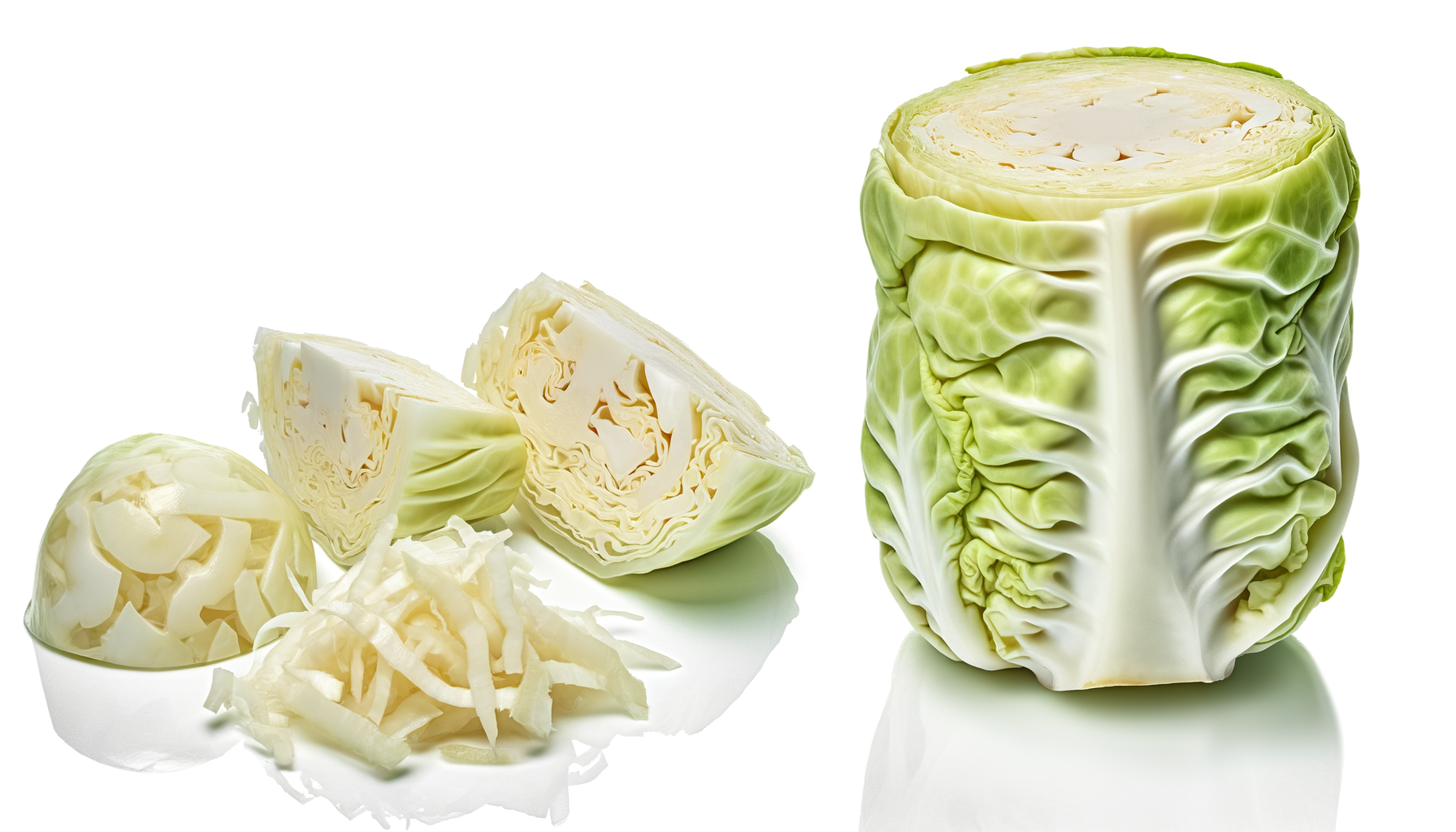
Sauerkraut
Brassica oleracea var. capitata f. alba
Sensory Profile
Tastes
Basic flavor profiles
Aromas
Scent characteristics
Stimuli
Sensory sensations
Textures
Physical properties
About Sauerkraut
Sauerkraut boasts a tangy, sour flavor profile characterized by its crisp texture and a slightly salty undertone. The fermentation process enhances its complexity, introducing subtle umami notes and a mild earthiness that balances its acidity. This fermented cabbage is a staple in various cuisines, particularly in German and Eastern European dishes. It is commonly used as a condiment, adding brightness to rich meats such as sausages and pork. Sauerkraut can also be incorporated into salads, sandwiches, and stews, or served as a side dish. Its versatility extends to being a key ingredient in traditional recipes like Reuben sandwiches and sauerkraut soup. Sauerkraut has a rich history, believed to have originated in China over 2,000 years ago, where it was created as a method of preserving cabbage. The technique spread to Europe, particularly gaining popularity in Germany, where it became a cultural staple. The name "sauerkraut" itself is derived from the German words "sauer" (sour) and "kraut" (cabbage). Sauerkraut is distinguished by its vibrant, pale green to white color, which can vary depending on the fermentation process and additional ingredients. The fermentation not only preserves the cabbage but also enriches it with probiotics, making it a healthful addition to the
Associated health effects(13)
- Immunomodulatory Activity
- Nutritional Advantages
- Cancer-Preventive
- Biogenic Amine Sensitivity
- Probiotic Support
- Digestive Irritation
- Foodborne Illness Risk
- Dietary Fiber
- Weight Management
- Salt Sensitivity
- Sodium Overload
- Digestive Aid
- Anti-inflammatory
Nutrition per 100 g(4)
- Energy: 20 kcal
- Protein: 1.5 g
- Fat: 0.5 g
- Fiber: 2.9 g