
Sauvignon Blanc Sensory Map
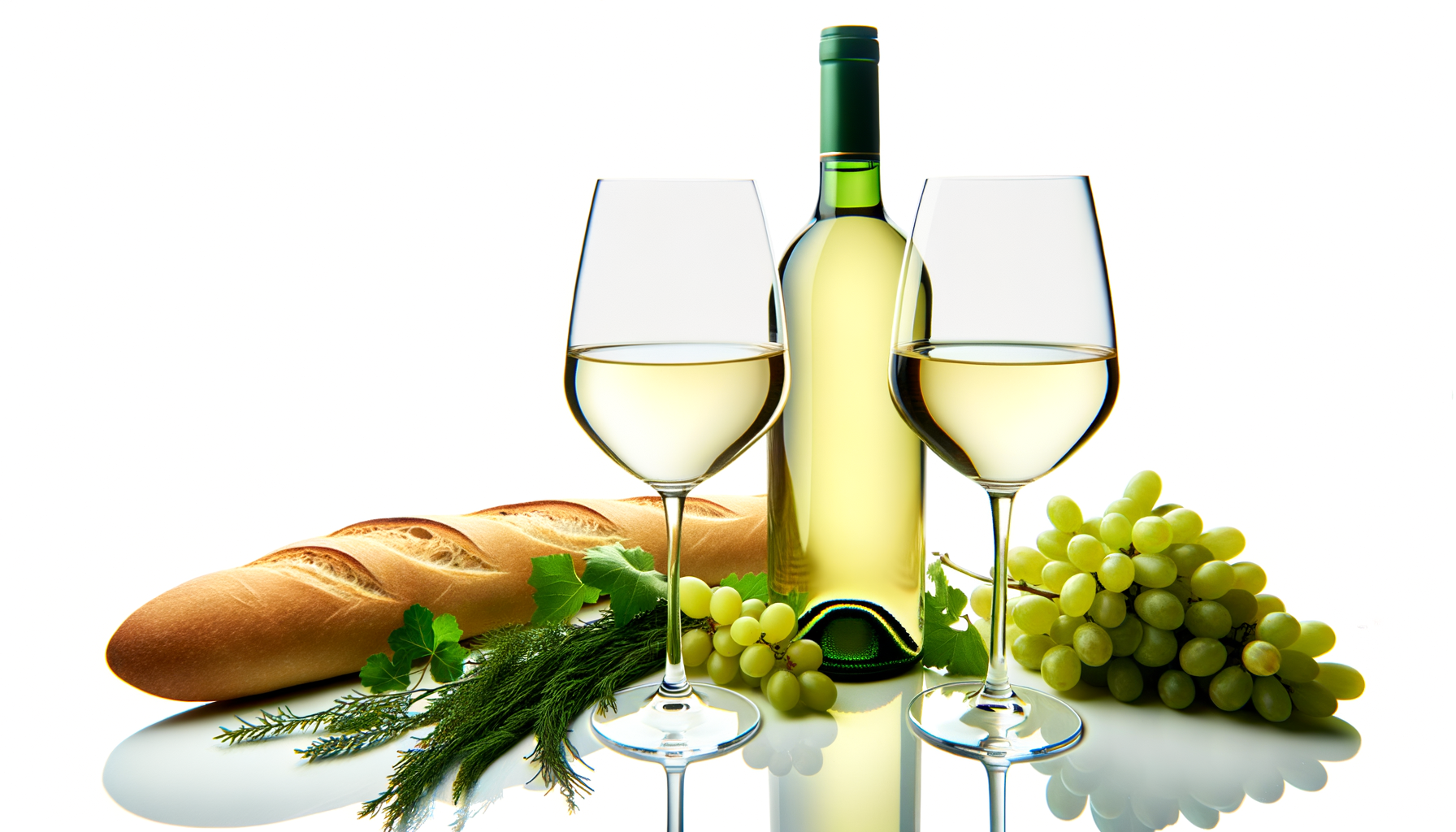
Sauvignon Blanc
Vitis vinifera
Sensory Profile
Tastes
Basic flavor profiles
Aromas
Scent characteristics
Stimuli
Sensory sensations
Textures
Physical properties
About Sauvignon Blanc
Sauvignon Blanc is a white grape variety renowned for its vibrant acidity and aromatic complexity. The flavor profile typically features zesty citrus notes, such as lime and grapefruit, complemented by green apple, pear, and occasionally tropical fruits like passionfruit. Herbal undertones, including fresh-cut grass, bell pepper, and sometimes a hint of flintiness, contribute to its distinctive character. The wine produced from these grapes can range from crisp and refreshing to more rounded and textured, particularly when aged in oak. **Culinary Uses:** Sauvignon Blanc is a versatile wine that pairs beautifully with a variety of dishes. Its high acidity makes it an excellent companion for seafood, particularly shellfish and white fish, as well as dishes featuring fresh herbs, salads, and goat cheese. It also complements light poultry dishes and Asian cuisine, especially those with citrus or herbal elements. In culinary applications, Sauvignon Blanc can be used in sauces, marinades, and reductions to enhance flavor profiles. **Origins:** Sauvignon Blanc is believed to have originated in the Bordeaux region of France, where it is still widely cultivated. The name "Sauvignon" is derived from the French word "sauvage," meaning wild, likely referring to its early origins as a wild grape. Today, it is grown in various wine regions around the world, including New Zealand, California, South Africa, and Chile, each impart
Associated health effects(65)
- Mood Alterations
- Sulfite Sensitivity
- Insulin Sensitivity Enhancement
- Polyphenol-Mediated LDL Oxidation Reduction
- Potential Additive-Induced Gut Disturbance
- Drug Interactions
- Impaired Judgment
- Cardiovascular Protection
- Antioxidant
- Allergic Reactions
- Dose-Dependent Effects
- Kidney Protection
- Sleep Quality Enhancement
- Blood Pressure Reduction
- Type 2 Diabetes Prevention
- Nephroprotection
- Metabolic Syndrome Protection
- Liver Toxicity
- Cancer Risk
- Cancer-Preventive
- Blood Cholesterol Reduction
- HDL Cholesterol Elevation
- Riboflavin
- Blood Sugar Support
- Polyphenol Antioxidant Activity (White Wine-Specific)
- Cardiovascular Stress
- Blood Sugar Regulation
- Polyphenol-Mediated Endothelial Function Enhancement
- Immune Booster
- Polyphenol-Mediated Antioxidant Activity
- Addiction Potential
- At-Risk Populations
- Skin Health
- Interaction with Medications
- Obesity and Weight Gain
- Bone Health
- Caloric Excess
- Polyphenol-Mediated Endothelial Protection
- Cholesterol Management
- All-Cause Mortality Reduction
- Lung Function Support
- Phosphorus
- Joint Health
- Metabolism Booster
- Niacin
- Weight Management
- Lung Function Support (White Wine)
- B Vitamin Nervous System Support
- Anti-aging Activity
- LDL Cholesterol Reduction
- Trace Mineral Content Support
- Bleeding Risk
- Potassium
- Tooth Decay
- Glycemic Impact
- Triglyceride Reduction
- Increased Cancer Risk
- Weight Gain
- Neuroprotection
- Magnesium
- Sleep Disruption
- Lipid Metabolism Support
- Anticancer Potential
- Anti-inflammatory
- Cognitive Support
Nutrition per 100 g(4)
- Energy: 83 kcal
- Protein: 0.1 g
- Fat: 0 g
- Fiber: 0 g