
Savory Sensory Map
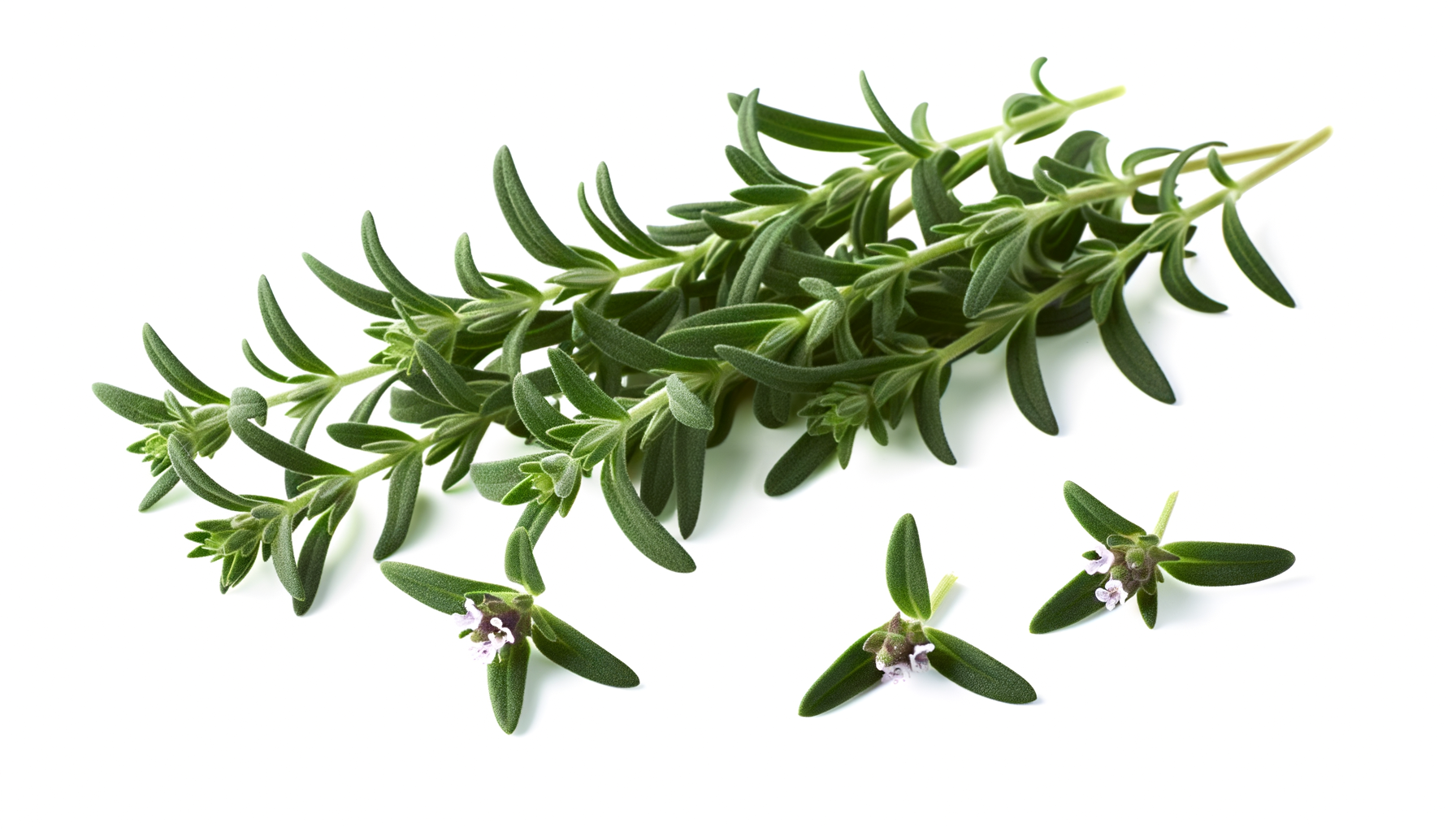
Savory
Satureja hortensis
Sensory Profile
Tastes
Basic flavor profiles
Aromas
Scent characteristics
Stimuli
Sensory sensations
Textures
Physical properties
About Savory
Savory, often referred to as summer savory, boasts a warm, peppery flavor with hints of mint and thyme. Its taste is slightly pungent yet aromatic, making it a versatile herb that can enhance both savory and sweet dishes. The flavor is more delicate than its winter counterpart, with a subtle earthiness that complements a variety of ingredients. Savory is widely used in Mediterranean cuisine, particularly in dishes such as stews, soups, and bean dishes, where it adds depth and complexity. It pairs beautifully with meats, especially lamb and poultry, and is often included in herb blends like herbes de Provence. Additionally, savory can be used to season vegetables, sauces, and marinades, as well as in stuffing for meats and poultry. Its ability to balance rich flavors makes it an excellent addition to hearty winter dishes. Native to the Mediterranean region, savory has been cultivated since ancient times and is valued for both its culinary and medicinal properties. It thrives in warm, sunny climates and is often found in rocky, well-drained soils. Historically, it was used not only as a seasoning but also for its purported health benefits, including digestive support. Savory is characterized by its slender, dark green leaves and small white to pale purple flowers that bloom in summer.
Associated health effects(17)
- Drug Interactions
- Antioxidant
- Allergic Reactions
- Toxicity and Safety
- Sleep Quality Enhancement
- Nephroprotection
- Cancer-Preventive
- Antifungal
- Free Radical Scavenger
- Mood and Sleep Quality Enhancement
- Cholesterol Management
- Stress Relief
- Umami-Associated Appetite and Diet Quality Modulation
- Skin Irritation from Irritant Oils
- Digestive Aid
- Anti-inflammatory
- Carminative
Nutrition per 100 g(4)
- Energy: 36 kcal
- Protein: 3 g
- Fat: 1.5 g
- Fiber: 3 g