
Seafood Sensory Map
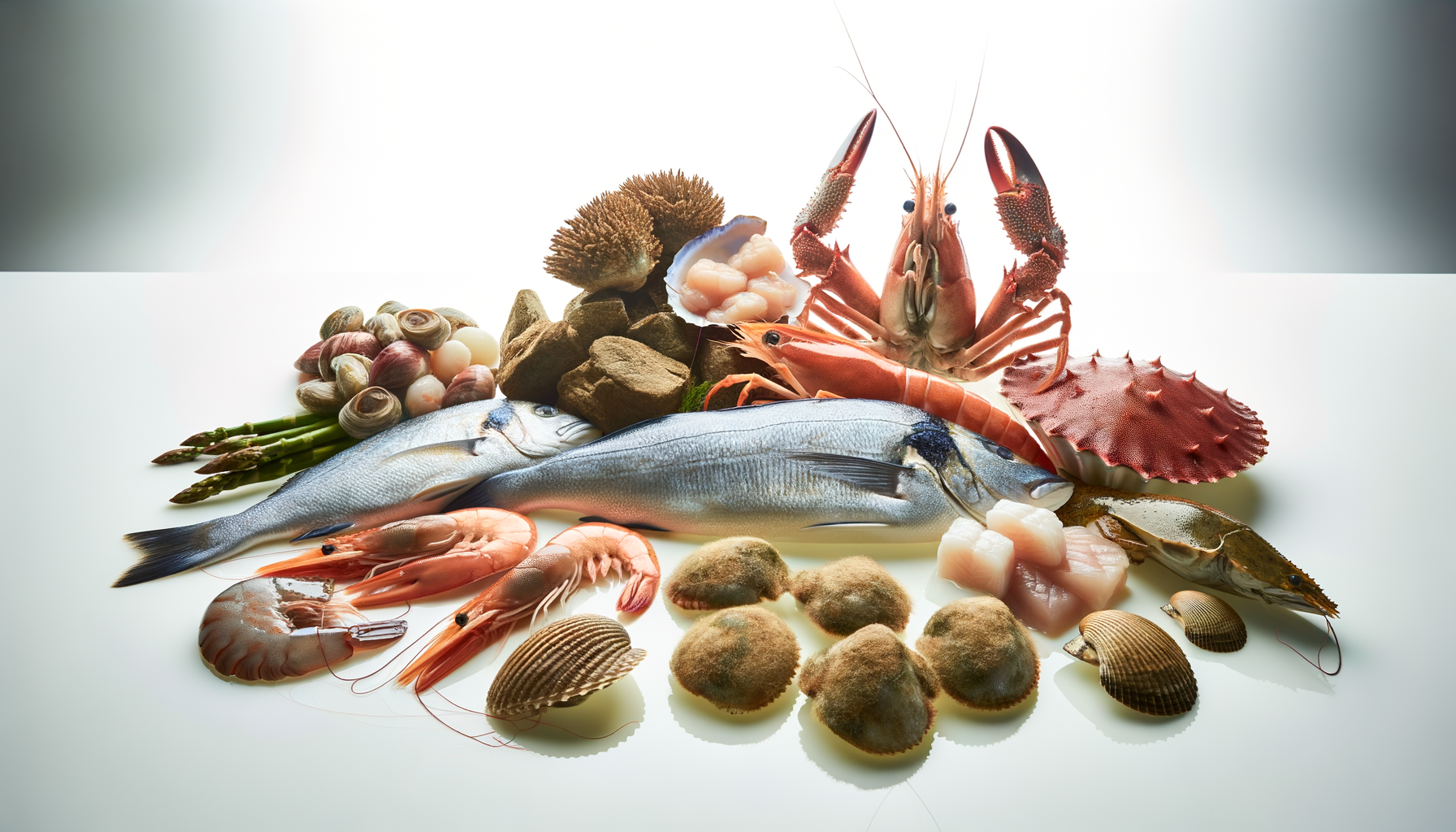
Seafood
Cibos marinos
Sensory Profile
Tastes
Basic flavor profiles
Aromas
Scent characteristics
Stimuli
Sensory sensations
Textures
Physical properties
About Seafood
Seafood refers to edible aquatic animals, including fish, shellfish (like shrimp, crabs, and oysters), and other marine life such as squid and seaweed. It’s typically harvested from oceans, rivers, or lakes and is valued for its protein, omega-3 fatty acids, and diverse flavors, often featured in cuisines worldwide. Seafood plays a central role in many global cuisines, valued for its versatility, flavor, and nutritional benefits. Here’s a concise overview of its role in several culinary traditions: - **Mediterranean Cuisine**: Seafood is a staple in dishes like Italian *frutti di mare*, Spanish *paella*, and Greek grilled octopus. Fish like sardines and anchovies, along with shellfish, are often prepared with olive oil, herbs, and citrus to highlight fresh, light flavors. - **Japanese Cuisine**: Seafood is fundamental, especially in sushi, sashimi, and tempura. Raw or lightly cooked fish like tuna and salmon, plus shellfish and seaweed, are prized for their freshness and umami, often paired with soy sauce, wasabi, and rice. - **Southeast Asian Cuisine**: In Thai, Vietnamese, and Malaysian dishes, seafood like shrimp, fish, and squid feature in curries, soups (e.g., Thai *tom yum*), and stir-fries. Flavors are bold, with ingredients like lemongrass, chili, and fish sauce enhancing dishes. - **Caribbean Cuisine**: Seafood, including conch, lobster, and snapper, is central to dishes like Jamaican escovitch fish or Bahamian conch fritters. It’s often seasoned with spices like allspice and scotch bonnet peppers, reflecting vibrant island flavors. - **Nordic Cuisine**: In countries like Norway and Iceland, seafood such as salmon, cod, and herring is often smoked, cured, or grilled. Dishes like Swedish gravlax or Danish fish cakes emphasize simplicity and preservation techniques. - **Latin American Cuisine**: Coastal regions feature seafood in Peruvian ceviche (raw fish marinated in lime juice) or Brazilian *moqueca* (fish stew with coconut milk). It’s often paired with local ingredients like corn, tomatoes, or tropical fruits. Seafood’s role varies by region, shaped by local waters, climate, and cultural preferences, but it consistently provides protein-rich, flavorful options that adapt to diverse cooking styles, from raw preparations to hearty stews.
Associated health effects(50)
- Zinc
- Micronutrient Support
- Histamine Poisoning Risk
- Micronutrient Density
- Selenium Status Improvement
- Heavy Metal Exposure
- Muscle Strength Support
- Sustainability
- Mercury Bioaccumulation Neurotoxicity
- PCB and Dioxin Exposure
- Cardiovascular Protection
- Allergic Reactions
- Cardiovascular Health
- Parasitic Infection Risk
- Blood Pressure Reduction
- Nutritional Advantages
- Cancer-Preventive
- HDL Cholesterol Elevation
- Bacterial Contamination Risk
- Blood Sugar Regulation
- Immune Booster
- High Sodium Content
- Immune Modulation
- Vision Protection
- Amino Acid Support
- Mood Enhancement
- Foodborne Illness Risk
- Anti-obesity Activity
- Iron Content Support
- Marine Contaminant Exposure
- Skin Health
- Bone Health
- Nutrient-Dense Protein Support
- All-Cause Mortality Reduction
- Brain Health
- Joint Health
- Vitamin D Source
- Protein Content
- Omega-3 Fatty Acid Support
- Weight Management
- LDL Cholesterol Reduction
- Iodine Provision
- Choline Content Support
- Bioactive Peptide Support
- Triglyceride Reduction
- Zinc Content Support
- Eye Health
- Anti-inflammatory
- Complete Protein Profile
- Cognitive Support
Nutrition per 100 g(4)
- Energy: 117 kcal
- Protein: 20 g
- Fat: 5 g
- Fiber: 0 g