
Semolina Sensory Map
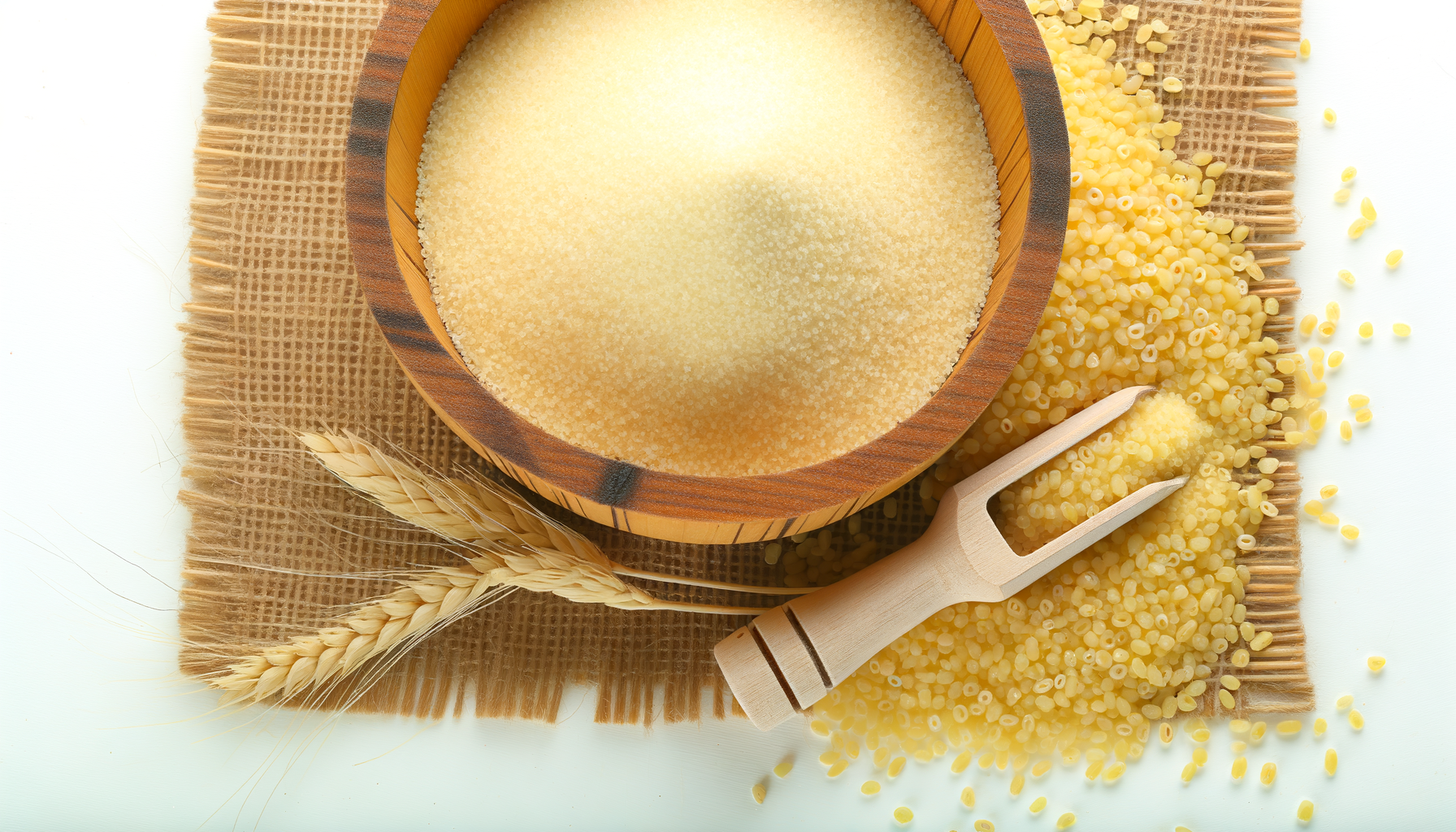
Semolina
Triticum durum
Sensory Profile
Tastes
Basic flavor profiles
Aromas
Scent characteristics
Stimuli
Sensory sensations
Textures
Physical properties
About Semolina
Semolina has a subtly nutty and slightly sweet flavor, characterized by a coarse texture that lends a unique mouthfeel to dishes. Its taste is more pronounced than that of regular wheat flour, providing a hearty base for various culinary applications. Semolina is primarily used in the production of pasta, couscous, and gnocchi, where its high gluten content contributes to a firm and chewy texture. It is also a key ingredient in traditional dishes such as semolina pudding and various baked goods, including bread and cakes. In addition, semolina can be used as a coating for frying, imparting a delightful crunch to foods. Semolina is derived from durum wheat (Triticum durum), which is primarily cultivated in regions with warm climates, including Italy, North America, and parts of the Mediterranean. Its cultivation dates back thousands of years, with historical significance in ancient civilizations, particularly in the Mediterranean basin. Semolina is distinguished by its coarse granules, which are larger than those of regular flour, making it ideal for creating pasta and other textured dishes. Its high protein content (approximately 13-15%) and gluten strength contribute to its elasticity and ability to hold shape during cooking. Semolina is also rich in essential nutrients, including B vitamins and minerals, making it a nutritious choice for various culinary applications.
Associated health effects(49)
- Zinc
- Blood Sugar Spikes
- Satiety Enhancement
- Micronutrient Density
- Colonic Transit Enhancement
- Constipation Relief
- Phytate Mineral Bioavailability Reduction
- Cardiovascular Protection
- Antioxidant
- Allergic Reactions
- Dose-Dependent Effects
- Refined Starch Glycemic Spiking
- Digestive Tolerance
- Blood Pressure Reduction
- Sustained Energy and Stamina
- Folate Source
- Type 2 Diabetes Prevention
- Refining and micronutrient loss
- Blood Sugar Support
- Blood Sugar Regulation
- Immune Booster
- Immune Modulation
- Folate-Linked Neural Tube Defect Prevention
- Flavor and Culinary Use
- Iron Content Support
- Mineral Content
- Dietary Fiber
- Bone Health
- Cholesterol Management
- Anemia Prevention
- Brain Health
- Phosphorus
- Protein Content
- Weight Management
- B Vitamin Nervous System Support
- LDL Cholesterol Reduction
- Nervous System and Energy Support
- Muscle Mass Preservation
- Fiber Content
- Glycemic Impact
- Rapid Glycemic Response
- Weight Gain
- Gluten Content
- Heart Health
- Magnesium
- Digestive Aid
- Digestive Health
- Cognitive Support
- Muscle Recovery Enhancement
Nutrition per 100 g(4)
- Energy: 360 kcal
- Protein: 12 g
- Fat: 1.5 g
- Fiber: 3 g